



Updated July 2026
Tools insurance is business insurance that may help cover portable tools, equipment and other work items if they are lost, stolen or damaged by an insured event. It is commonly used by tradies, contractors, sole traders and small businesses that carry valuable equipment between vehicles, worksites and storage locations.
Tools insurance is also commonly called general property insurance, tools of trade insurance or Property & Tools Insurance. The exact name, insured events and items covered depend on the insurer and policy wording. Cover is subject to policy terms, conditions, limits, exclusions and insurer acceptance.
Quick summary
- Tools insurance may cover portable tools, trade equipment and selected electronics against insured events such as theft, fire, storm and accidental damage.
- Tools insurance and general property insurance often refer to the same type of cover, although policy names and terms vary between insurers.
- Cover for theft may depend on where the tools were stored, how they were secured and whether any required security conditions were met.
- Wear and tear, gradual deterioration, poor maintenance, intentional damage and unsecured property are commonly excluded or restricted.
- Premiums and available cover depend on factors such as the replacement value of the gear, the excess, the type of equipment and how the items are used and stored.
What Is Tools Insurance Used For?
Tools insurance is used to help manage the cost of repairing or replacing insured work equipment after a covered loss. This can include tools carried in a ute, equipment moved between jobs, portable technology used on client sites and certain hired or leased items where they are included in the policy.
The cover is relevant because a tool kit can contain many separate items that add up to a substantial replacement cost. A drill, saw, battery, tester or hand tool may not seem expensive on its own, but replacing a complete work setup at once can affect cash flow and delay scheduled jobs.
For a closer look at available options, visit the Tools Insurance page.
Is Tools Insurance the Same as General Property Insurance?
Tools insurance is often a plain-English name for general property insurance when the policy is being used to cover portable work tools and equipment. The terms are frequently used interchangeably, but the actual scope of cover comes from the policy wording rather than the product name.
The key distinction
Tools insurance usually describes the practical purpose of the cover. General property insurance is a broader policy term that may include tools, equipment, electronics and other portable business property. The policy schedule and wording confirm which items and events are insured.
What Does Tools Insurance Cover?
Tools insurance may cover specified portable business property against loss, theft or accidental damage caused by an insured event. The details vary, so the items, locations, storage arrangements and insured events should be checked before cover is arranged.
Theft from secured locations
A policy may cover tools stolen from a locked vehicle, locked toolbox, secured storage shed or another approved location. Security conditions can apply, including requirements about locks, vehicle storage or evidence of forced entry.
Accidental damage
Cover may respond when insured tools or equipment are accidentally damaged by impact, a vehicle collision or another event listed in the policy.
Fire and storm damage
Property & Tools Insurance may cover insured equipment damaged by fire or storm, subject to the events and exclusions stated in the policy. Flood and some natural events may be treated differently and may require separate arrangements.
Loss during transit or at a worksite
Some policies may cover insured property while it is being transported or used at a worksite. The policy may set conditions around unattended items, overnight storage, remote work or unsecured locations.
Hired or leased equipment
Hired tools, leased equipment or temporary-use items may be included through an extension. The hire agreement, item value and responsibility for damage should be declared and accepted by the insurer.
What Items Can Tools Insurance Cover?
Tools insurance can apply to more than basic hand tools. The items that may be included depend on what the business uses, where the equipment is kept and how the policy is structured.
- Hand tools and power tools: drills, saws, grinders, nail guns, spanners and trade-specific kits.
- Small plant and equipment: generators, compact machinery and portable jobsite equipment.
- Testing and diagnostic equipment: multimeters, testers, scanners, inspection devices and trade-specific instruments.
- Portable electronics: laptops, tablets, mobile phones and other technology used for work, where listed or accepted.
- Trailers and mobile storage: trailers, site sheds and mobile storage units, where included.
- Hired or leased items: temporary equipment for a specific project, where the policy includes the relevant extension.
- Selected materials or stock: items carried for daily jobs may be considered under some policies, subject to the policy definition and limits.
For example, an electrician may need to list multimeters, cable reels and power tools. A plumber may carry pipe cutters and leak detection equipment. A consultant or technician may rely on laptops, testing devices or portable servers. The policy should reflect the actual property used by the business.
Does Tools Insurance Cover Tools in a Ute?
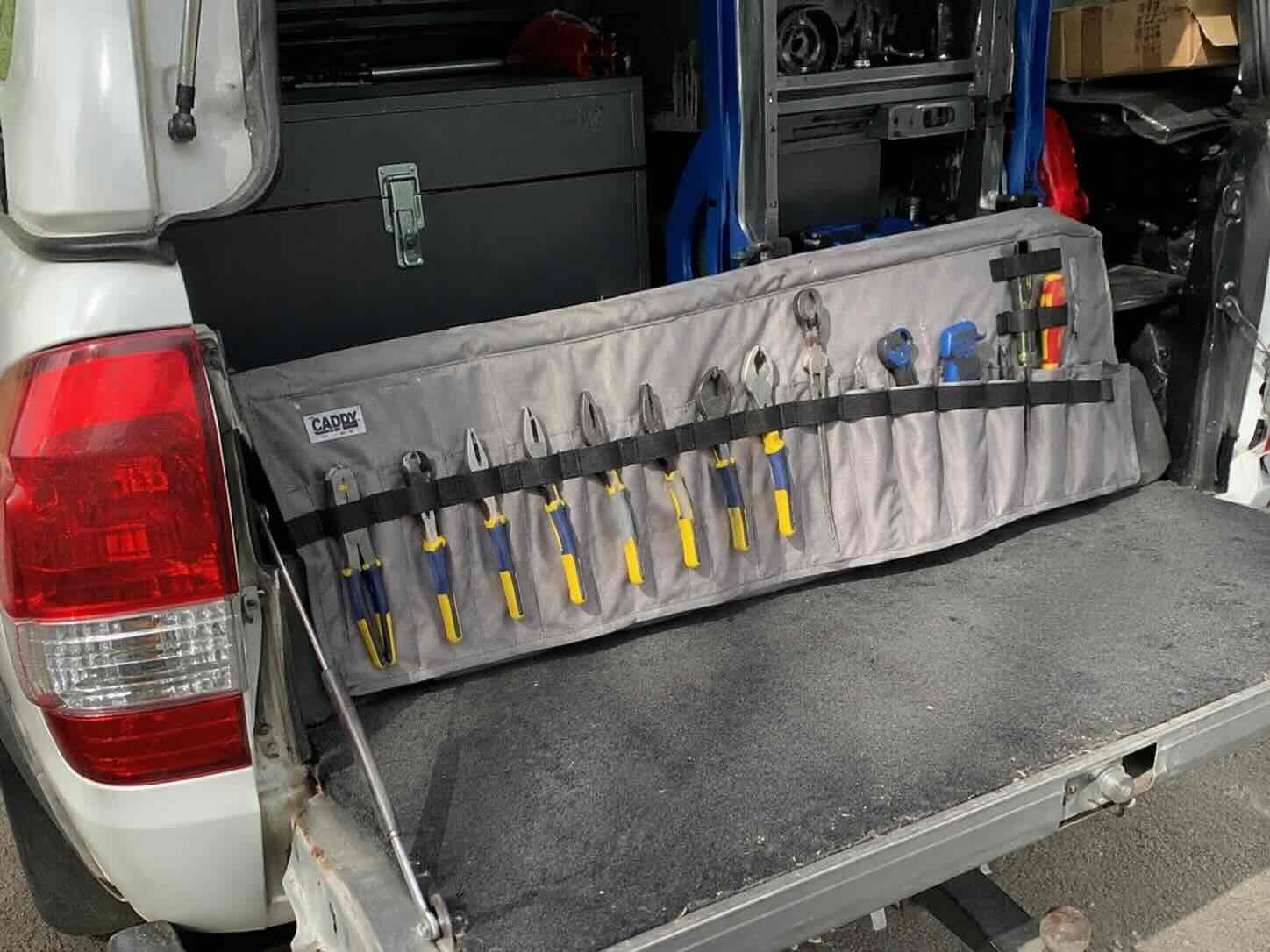
Tools stored in a ute may be covered where the vehicle, toolbox and storage arrangements meet the policy conditions. A locked vehicle or secured toolbox is commonly required, particularly for overnight theft claims.
Cover should not be assumed simply because the tools were inside a work vehicle. Some policies restrict theft from unattended vehicles, exclude open-air or unsecured theft, or require evidence of forced entry. Optional extensions may be available for broader storage arrangements, subject to insurer acceptance.
What Does Tools Insurance Usually Exclude?
Tools insurance does not cover every cause of loss or damage. Common exclusions and limitations may include:
- Wear and tear or gradual deterioration
- Damage caused by poor maintenance, neglect or an existing fault
- Mechanical or electrical breakdown unless specifically included
- Intentional damage, illegal use or deliberate acts
- Theft of tools left unsecured or in the open air, unless an accepted extension applies
- Events, locations or activities that were not declared to the insurer
- Flood or certain natural events where the policy excludes them or requires separate cover
- Amounts above the total sum insured, item limit or applicable sub-limit
Exclusions differ between insurers. The Product Disclosure Statement, policy schedule and endorsements should be read together to confirm how the cover applies.
How Is Tools Insurance Different from Other Business Insurance?
Tools insurance focuses on your own portable property. Other insurance types may address third-party claims, the work vehicle itself or property kept mainly at a fixed business premises.
This comparison is general only. Cover depends on the policy definitions, insured property, listed events, limits, exclusions and insurer acceptance.
How Much Does Tools Insurance Cost?
The cost of tools insurance depends on the value and type of the property, the level of cover selected and the way the equipment is used and stored. Insurers assess each application under their own underwriting rules, so there is no single price that applies to every tradie or contractor.
Factors that may affect the premium
Total replacement value
A higher sum insured generally means the insurer is taking on a larger potential loss.
Type of equipment
Specialist tools, electronics, hired equipment and small plant may be assessed differently.
Storage and work setup
Vehicle storage, site storage, remote work and unsecured locations may affect available terms or extensions.
Excess and optional extensions
The selected excess and any additional cover for hired gear, trailers or other property can affect the premium.
Premiums and available options depend on insurer assessment. Cover is subject to policy terms, conditions, limits, exclusions and insurer acceptance.
How Much Tools Insurance Do You Need?
The sum insured should be based on the current cost of replacing the full set of tools, equipment and portable business items you want to insure. Using the original purchase price may not reflect what the same items would cost to replace today.
Start with an itemised list. Include smaller accessories such as batteries, chargers, cases, leads and attachments, as these can add significantly to the total. Identify any specialist equipment, electronics, trailers, site storage or hired items that may need to be listed separately.
A sum insured that is lower than the replacement value can leave the business with a shortfall after an insured event. Policy limits, item limits and the excess may also affect the amount payable. Our guide on how to insure your tools and property explains the practical information to gather.
What Information Should You Keep About Your Tools?
Clear records can help establish what property was owned and its value if a loss needs to be reported. Useful records may include:
- Purchase receipts and invoices
- Serial numbers and model details
- Photos of individual items and the full tool setup
- An itemised register with estimated replacement values
- Details of toolboxes, locks and vehicle storage
- Hire agreements for rented or leased equipment
The insurer will assess any claim against the policy wording and available evidence. All Trades Cover can support clients through the claims process, but All Trades Cover does not control whether a claim is accepted or the final claim outcome.
When Should Tools Insurance Be Reviewed?
Tools insurance may need to be reviewed when the value, type or storage of the equipment changes. Common review points include buying specialist equipment, adding a trailer or site shed, taking on remote work, hiring equipment or changing where tools are stored overnight.
It can also be useful to review the sum insured as a business grows. A cover level that matched an apprentice kit may not reflect the replacement cost of an established contractor’s full setup several years later.
How to Arrange Property & Tools Insurance
Arranging cover starts with accurate information about the business and the property that needs to be insured. The insurer may ask about item values, storage, work locations and any hired or leased equipment.
How the process works
STEP 1
List your property
Record the tools, equipment, electronics and other portable items you want to insure.
STEP 2
Provide your details
Explain the replacement values, storage arrangements, work locations and any optional extensions required.
STEP 3
Review the options
Compare the insured events, excesses, limits, exclusions and conditions offered by available insurers.
STEP 4
Request cover
Where the insurer accepts the application and cover is arranged, the policy documents can be issued.
Tools Insurance FAQs
What is tools insurance for tradies?
Tools insurance is business insurance that may cover portable tools, equipment and selected work property against insured loss, theft or accidental damage. It is commonly arranged as general property insurance or Property & Tools Insurance.
Does tools insurance cover theft?
Tools insurance may cover theft from a locked vehicle, locked toolbox, secured shed or another accepted location. Security conditions, evidence of forced entry and restrictions on unattended or unsecured property may apply.
Are tools covered overnight in a vehicle?
Overnight vehicle storage may be covered where the policy permits it and the required security conditions are met. The vehicle and toolbox may need to be locked, and some insurers apply additional conditions or exclusions.
Does tools insurance cover laptops and diagnostic equipment?
Laptops, tablets, testers, scanners and other portable electronics may be covered where they are used for the business and included in the insured property. Item limits or listing requirements may apply.
Can hired or leased tools be insured?
Hired or leased equipment may be covered through an optional extension, subject to the insurer accepting the items and the policy meeting the relevant hire agreement requirements.
Does tools insurance cover wear and tear?
Wear and tear, gradual deterioration, poor maintenance and existing faults are commonly excluded. Tools insurance is generally intended to respond to insured events rather than routine replacement or servicing.
Does Commercial Vehicle Insurance cover tools in a ute?
Commercial Vehicle Insurance generally focuses on the insured vehicle. It does not automatically cover tools stored inside the vehicle, so separate Property & Tools Insurance may need to be considered.
Is tools insurance the same as Public Liability Insurance?
No. Tools insurance may cover your own portable work property. Public Liability Insurance may respond to certain claims that your business caused third-party injury or property damage. One does not replace the other.
How should the value of tools be calculated?
The value should reflect the current cost of replacing the items you want to insure, including smaller accessories and specialist equipment. The policy sum insured, item limits and excess should also be checked.
Can tools insurance cover work in remote or FIFO locations?
Nationwide, remote or FIFO cover may be available, depending on the insurer, declared work locations and storage arrangements. Remote work should be disclosed when requesting cover.
Review Property & Tools Insurance Options
Tools insurance can help tradies, contractors and small businesses manage certain repair or replacement costs when insured portable equipment is lost, stolen or damaged. The cover should be based on the actual equipment, replacement values, work locations and storage arrangements of the business.
All Trades Cover is a specialist insurance brokerage for trades, construction, mining and heavy industry. We can help compare available Tools Insurance options and explain the relevant limits, excesses, conditions and exclusions.
This information is general only and does not take into account your objectives, financial situation or needs. Cover is subject to policy terms, conditions, limits, exclusions and insurer acceptance.