
The main benefits of personal accident insurance include potential weekly income payments after an insured injury, help with everyday expenses during recovery, and optional benefits for illness or serious accidents. Some policies may also cover injuries that happen outside working hours.
For sole traders, subcontractors and working business owners who depend on their own labour, time away from work can mean lost earnings. Personal Accident and Illness Insurance may help manage that loss, subject to the cover selected, waiting periods, benefit limits, exclusions and insurer assessment.
Quick Summary
- Personal Accident Insurance may provide weekly income benefits if an insured accidental injury stops you from working.
- Weekly payments may help with rent, mortgage repayments and household costs during an accepted claim, within the selected benefit limits.
- Some policies cover accidental injuries outside work hours, subject to the activities and locations the policy accepts.
- Illness cover, lump sum Capital Benefits and certain business expense benefits may be available as optional inclusions.
- Waiting periods, benefit periods, income limits, medical evidence and exclusions affect whether and when payments may be made.
- Personal Accident Insurance does not replace Workers Compensation Insurance where legislation requires it.
What Does Personal Accident Insurance Do?
Personal Accident Insurance is designed to help replace part of an insured person’s income if an accidental injury prevents them from carrying out their normal work duties. The insurer assesses any claim against the policy’s definition of disablement, the circumstances of the injury and supporting evidence.
When illness cover is selected, the policy may also respond to certain illnesses that stop the insured person from working. The precise benefits depend on the insurer and the policy schedule. Our guide to what Personal Accident Insurance is explains the basic cover and terminology.
What Are the Main Benefits of Personal Accident Insurance?
The main benefit is the possibility of receiving regular payments while you cannot earn your usual income because of an insured accident. Other benefits can extend the scope of cover or address different financial costs, where the insurer offers and accepts those options.
1. Weekly Income Support During Recovery
Personal Accident Insurance may pay a weekly benefit when an insured injury prevents you from working. For example, a self-employed electrician with a fractured wrist may be unable to use tools, install equipment or complete normal site duties for several weeks.
Where the injury meets the policy requirements, weekly payments may begin after the waiting period. The insurer may ask for medical certificates and income records. Payments are subject to the selected weekly benefit, any earnings limits, the maximum benefit period and ongoing claim eligibility.
2. Help with Regular Household Expenses
Weekly benefits may help meet ordinary expenses while work income is reduced. For a self-employed tradie, those costs can continue even when paid jobs have stopped.
- Mortgage or rent repayments.
- Groceries, utilities and everyday living costs.
- Vehicle repayments and other regular commitments.
These payments are income benefits rather than separate reimbursements for each bill. The amount paid may be less than your normal earnings, and the policy may not provide a benefit for the full time you are away from work.
3. Potential Cover for Accidents Outside Work
Some Personal Accident Insurance policies offer cover for insured accidents that happen outside paid work. This may matter to a contractor who injures a shoulder during a weekend activity and cannot return to physical site duties.
Cover outside work hours depends on the policy’s territorial rules and activity exclusions. Recreational activities, professional sport and certain higher-risk pursuits may be restricted or excluded. A 24-hour cover option does not mean every off-duty accident is insured.
4. Optional Support When Illness Prevents You from Working
Personal Accident and Illness Insurance may provide weekly benefits for certain illnesses, where illness cover was selected and accepted when the policy was arranged. This option can be relevant to sole traders who do not receive employer-paid sick leave.
For instance, a self-employed plumber may be unable to attend jobs during a prolonged illness. A policy with illness cover may respond if the condition meets the insurer’s definitions and is not excluded. Injury-only cover would not generally respond to illness. Illness benefits may also have different waiting periods or restrictions.
5. Optional Lump Sum Benefits for Serious Accidents
Some policies offer Capital Benefits. Where included, these may provide a lump sum payment following defined outcomes such as accidental death or permanent disablement caused by an insured accident.
Capital Benefits are separate from weekly income payments. Insurers use specific definitions and benefit tables to assess eligibility, so an injury does not qualify for a lump sum simply because it is serious or requires a long recovery.
6. Possible Help with Certain Fixed Business Expenses
Some insurers offer optional business expense benefits that may respond to eligible ongoing costs while the insured person cannot work. Depending on the extension, these might include specified premises costs or other fixed operating expenses.
Business expense cover is not a standard inclusion in every Personal Accident Insurance policy. It also should not be confused with Business Interruption Insurance, which generally addresses different insured events and business losses.
How Do Personal Accident Insurance Benefits Work?
Weekly benefits depend on an insured event, medical and income evidence, the selected waiting period and the insurer accepting the claim. An accident or illness does not trigger payments automatically.
How weekly benefits may begin
Step 1
An insured event occurs
An accidental injury, or an illness where covered, prevents you from performing your work.
Step 2
You notify the insurer
You lodge a claim and provide medical and income information requested by the insurer.
Step 3
Waiting period and assessment
The waiting period applies while the insurer checks your eligibility against the policy.
Step 4
Benefits may be paid
If accepted, payments may continue while you remain eligible, up to the policy’s benefit limit.
The Waiting period is the period you must remain unable to work before weekly benefits may start. The benefit period is the maximum time an insurer may pay benefits for an accepted claim. Available periods vary, and payments may stop earlier if you return to work or no longer meet the policy requirements.
Who May Benefit from Personal Accident Insurance?
Personal Accident Insurance is commonly considered by workers whose earnings depend on their ability to carry out physical tasks and who may not receive paid sick leave. The value of the cover depends on their circumstances and the available policy terms.
- Sole traders: Self-Employed carpenters, electricians, plumbers and other tradespeople may consider income cover because they generally cannot rely on employer-paid leave.
- Independent subcontractors: Contractors paid for work completed may consider the effect of an injury on their ability to take on jobs. Their workers compensation status depends on the relevant laws and working arrangements.
- Working business owners: Owners who operate machinery, supervise physical work or perform site duties may wish to check whether their current insurance addresses their own loss of income.
Example: A Carpenter Is Injured Outside Work
A self-employed carpenter fractures a wrist during a weekend activity. A doctor advises the carpenter to avoid lifting, using power tools and carrying out usual site duties during recovery.
How We May Be Able to Help
All Trades Cover can help a client check whether the policy includes cover for accidents outside working hours and support the client through the claims process. The insurer decides whether the injury meets the policy requirements.
What This Can Help You Manage
If the claim is accepted, weekly income payments may help the carpenter manage household expenses while they remain unable to work, after any waiting period and within the selected benefit limits.
This example is general only and does not mean a claim will be covered. Cover is subject to the relevant policy terms, conditions, limits, exclusions and insurer acceptance.
How Is Personal Accident Insurance Different from Workers Compensation Insurance?
Personal Accident Insurance is generally optional income cover arranged for an insured individual. Workers Compensation Insurance operates under state and territory laws and may provide statutory benefits to eligible workers for work-related injury or illness. One does not automatically replace the other.
General comparison only. Workers compensation eligibility and employer obligations depend on state or territory legislation. Personal Accident Insurance benefits depend on the policy wording and insurer acceptance.
The Australian Government’s business insurance guidance explains that workers compensation rules vary across Australia and that sole traders are not covered as workers under their own Workers Compensation Insurance. For a trade-focused explanation, read Personal Accident Insurance versus Workers Compensation Insurance.
What Are the Limitations and Exclusions of Personal Accident Insurance?
Personal Accident Insurance does not pay for every period away from work. The claim must meet the policy’s conditions, and the insurer may restrict benefits by the cause of the injury, the insured person’s work duties or the options selected.
Common Benefit Limitations
- Waiting period: Weekly payments generally cannot begin until the applicable waiting period has been completed.
- Benefit period: Payments are limited to the selected maximum period and may stop earlier when eligibility ends.
- Income and weekly limits: The insurer may limit payments to an amount supported by your earnings and the policy schedule.
- Medical evidence: Insurers may require medical certificates and further evidence that you cannot perform your usual occupation.
- Medical costs: Personal Accident Insurance primarily provides income support and is not a substitute for Medicare, private health insurance or eligible workers compensation treatment benefits.
Common Exclusions or Restrictions
- Pre-Existing medical conditions or injuries, depending on the policy definition.
- Illness where the policy only covers accidental injury.
- Some mental health conditions, pregnancy-related conditions and other specified illnesses.
- Injuries linked to certain hazardous recreational activities, unlawful conduct or alcohol or drug use.
- Work activities, occupations or locations that have not been disclosed to and accepted by the insurer.
Exclusions differ between insurers. Review the policy wording and, where provided, the Product Disclosure Statement before arranging cover. ASIC provides guidance on Product Disclosure Statements and other financial product disclosures.
What Should Tradies Check Before Choosing Personal Accident Insurance?
Compare the benefits you could receive with the waiting period, benefit period, premium and events the policy may exclude. Your declared occupation should also reflect the work you actually perform, whether that involves roofing, welding, maintenance, operating plant or supervising jobs.
The checklist below identifies the main details to review with an insurer or broker. The policy schedule and wording, rather than a summary of benefits, determine the available cover.
Personal Accident Insurance review checklist
Check these terms against your earnings, work activities and any insurance requirements in your contracts.
Weekly benefit: Check the amount and any earnings-based limit.
Waiting period: Check how long you must be unable to work before payments may start.
Benefit period: Check the maximum payment period for an accepted claim.
Illness option: Confirm whether sickness is included or excluded.
Work and activities: Confirm the declared trade, locations and off-duty exclusions.
Optional benefits: Check Capital Benefits and business expense extensions if offered.
The availability and cost of each option depend on insurer assessment. Not every insurer or policy offers the same benefits.
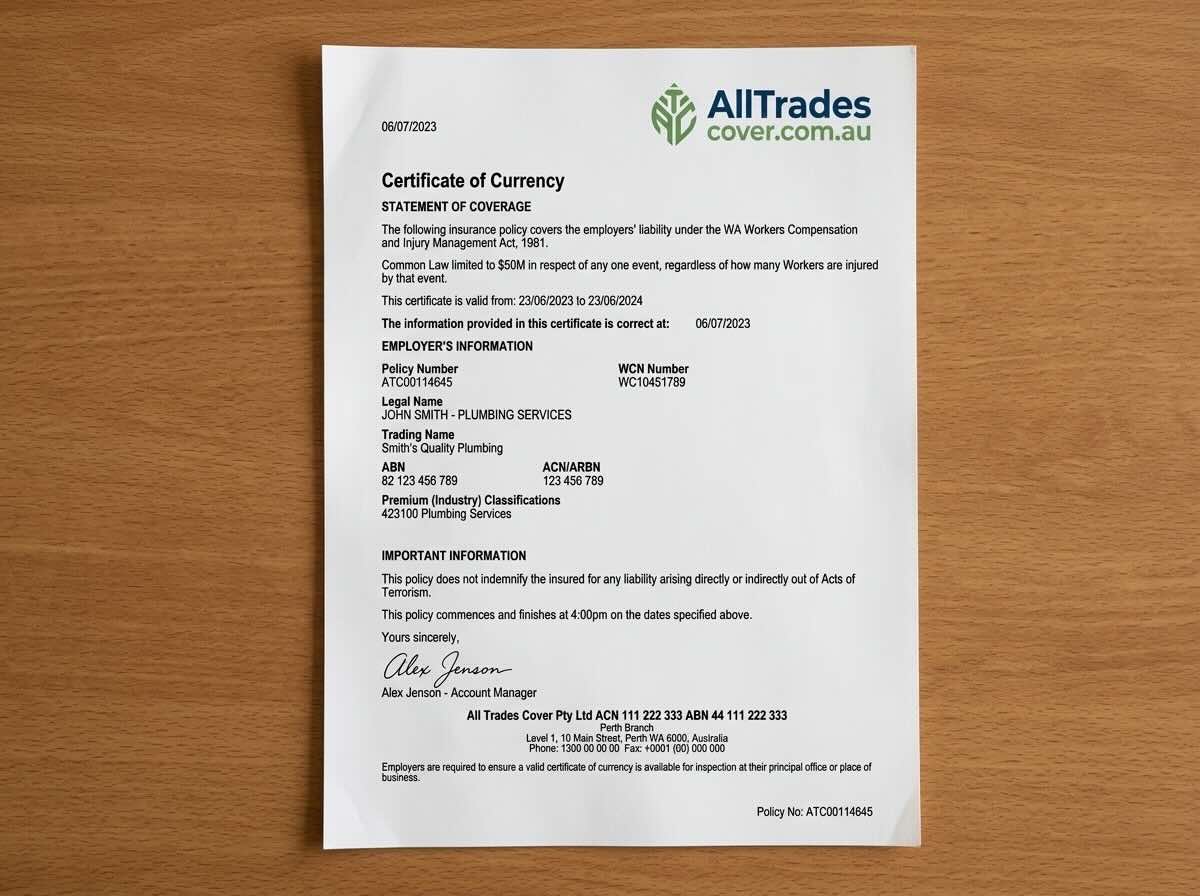
Review your existing cover if your income changes, you start a different trade activity or a principal contractor introduces new insurance requirements. A Certificate of Currency or policy summary should not be taken as proof that every job or contractual obligation is covered.
Frequently Asked Questions About the Benefits of Personal Accident Insurance
Is Personal Accident Insurance Worth Considering for Sole Traders?
Personal Accident Insurance may be worth considering where a sole trader’s earnings depend on their ability to work and they have no employer-paid sick leave. Its value depends on the cover offered, ongoing commitments, available savings, premium and policy restrictions.
Does Personal Accident Insurance Cover Injuries Outside Work?
It may cover injuries outside work where the selected policy includes 24-hour accidental injury cover. The insurer may exclude particular sports, activities, locations or circumstances, so off-duty cover should be confirmed in the policy wording.
Does Personal Accident Insurance Pay if I Get Sick?
Illness benefits may be available where optional illness cover was selected and the illness meets the policy conditions. Accident-only policies generally do not pay weekly benefits for sickness.
How Long Can I Receive Personal Accident Insurance Benefits?
Weekly benefits may continue up to the selected benefit period while you meet the insurer’s requirements for an accepted claim. Payments may stop sooner if you return to work or no longer satisfy the policy definition of disablement.
Can I Receive a Lump Sum as Well as Weekly Benefits?
Some policies offer Capital Benefits for specified events, such as accidental death or defined permanent disablement. Whether a lump sum is available alongside other benefits depends on the policy schedule, definitions and insurer assessment.
Is Personal Accident Insurance Compulsory for Contractors?
Personal Accident Insurance is not generally compulsory under Australian law. A contract or site-access arrangement may require a contractor to hold specified cover. Contractors should check the actual requirements rather than assume a policy meets them.
Is Personal Accident Insurance the Same as Income Protection?
No. Both may provide income payments when an insured person cannot work, but policy design, eligible causes, waiting periods and maximum benefit periods can differ. See our explanation of income protection versus accident and sickness insurance for the main distinctions.
Discuss Personal Accident and Illness Insurance with All Trades Cover
All Trades Cover works with tradies, contractors and businesses across construction, mining and other hands-on industries. We can help explain available policy options, waiting periods, benefit limits and exclusions, and support clients through the claims process.
To explore available cover for your trade, learn more about Personal Accident and Illness Insurance or request a quote. Any cover arranged remains subject to insurer acceptance.
This information is general only and does not take into account your objectives, financial situation or needs. Cover is subject to policy terms, conditions, limits, exclusions and insurer acceptance.