




There is no single standard cost for Public Liability Insurance for a sole trader. Insurers calculate the premium based on your trade, the work you perform, annual turnover, work locations, subcontractor use, claims history, required cover limit and any contract-specific insurance conditions.
Being a sole trader does not automatically mean you will receive the lowest premium. A sole trader completing residential painting work may be assessed very differently from a sole trader carrying out roofing, excavation, welding, commercial construction or mining work. The most reliable way to establish the cost is to request a quote based on your actual business activities.
Quick summary
- There is no fixed Public Liability Insurance price that applies to every sole trader.
- Your trade, work activities, turnover, work sites, claims history and required cover limit can all affect the premium.
- Common Public Liability Insurance limits are $5 million, $10 million and $20 million, but the suitable limit depends on your contracts, clients and work.
- Commercial, civil, industrial, government and mining work may require higher limits or additional policy wording.
- Public Liability Insurance does not usually cover your own injuries, tools, vehicles or the cost of correcting defective work.
- Monthly payment options may be available, subject to the insurer, policy type, fees and premium funding terms.
- Cover is subject to policy terms, conditions, limits, exclusions and insurer acceptance.
Is There an Average Public Liability Cost for a Sole Trader?
There is no reliable average premium that applies to every sole trader. Public Liability Insurance is priced according to the exposure presented by the individual business, rather than the business structure alone.
Two sole traders with similar turnover may receive different quotes because they perform different work. For example, a residential painter may present different third-party injury and property damage exposures from a scaffolder, roofer, excavator or civil contractor.
The required insurance wording can also change the quote. A Public Liability Insurance policy for residential work may be structured differently from a policy that must include contract conditions such as Principal’s Indemnity, Cross Liability or Waiver of Subrogation.
Premium and cover limit are different
Your premium is the amount you pay for the insurance policy. Your cover limit is the maximum amount of compensation payable for a covered claim or series of claims, as defined by the policy. Check whether it applies per occurrence or across the policy period, and whether sub-limits apply. A $10 million limit does not mean the policy costs $10 million.
What Affects Public Liability Insurance Costs for Sole Traders?
Insurers consider the type and scale of exposure associated with your business. The factors below may affect the available insurers, policy terms, excess, conditions and final premium.
Your trade and work activities
Your occupation is one of the main pricing factors. A cleaner, painter or handyman may be assessed differently from a roofer, welder, scaffolder, excavator or plant operator.
The insurer will also consider the specific services you perform. Describing yourself only as a “contractor” may not provide enough information. Activities such as working at height, excavation, hot work, structural work, product installation or operating around underground services may require additional assessment.
Where you perform the work
Residential maintenance, commercial construction, civil work, industrial contracting and mining work can present different exposures.
Work at airports, ports, rail corridors, roads, schools, hospitals, government buildings, mine sites and remote locations may require extra information. The site operator or principal contractor may also impose specific insurance conditions.
Your annual turnover
Annual turnover helps an insurer understand the scale of your operations. Higher turnover may indicate that the business completes more work, handles larger projects or has greater exposure to third-party claims.
Your turnover should be declared accurately. A material change during the policy period may need to be reported to the broker or insurer.
Employees, labour and subcontractors
Employees, apprentices, labour-hire workers and subcontractors can affect how an insurer assesses the business.
Independent subcontractors operating under their own ABN may need their own contractor Public Liability Insurance. All subcontracting arrangements, including independent and labour-only subcontractors, should be disclosed to your broker or insurer. Cover depends on the arrangement, policy wording and insurer requirements.
Your selected cover limit
Common Public Liability Insurance limits include $5 million, $10 million and $20 million. These limits are priced differently, but the required amount should not be selected on price alone.
Your client, licence, contract, builder or site operator may specify a minimum limit. Check those requirements before arranging or renewing cover.
Contract requirements and endorsements
Commercial and construction contracts may request additional insurance wording. Common examples include:
- Principal’s Indemnity
- Cross Liability
- Waiver of Subrogation
- Contractual Liability provisions
- Project-specific Certificates of Currency
These requirements may affect the insurers that will consider the risk, the available policy wording and the premium. Not every requested clause can be added, and any change remains subject to insurer acceptance.
Your products exposure
Products Liability is often included within Public Liability Insurance. It may respond to certain claims connected to products that your business supplies, installs, repairs, distributes, manufactures or imports.
A sole trader who only provides labour may be assessed differently from a business that supplies and installs equipment, fabricates components or imports products for sale.
Your claims and insurance history
Previous claims, incidents, liability disputes, insurer cancellations or declined renewals may affect the terms and premium offered by an insurer.
Provide accurate details about previous claims, incidents and insurance history, and comply with the disclosure obligations explained by your broker or insurer. An insurer may also ask what changes have been made following an incident.
Public liability cost factors at a glance
Trade and services
The insurer assesses what you do and the injury or property damage exposure associated with the work.
Turnover
Turnover helps indicate the size and volume of your business activities.
Work locations
Residential, commercial, civil, industrial and mining sites may be assessed differently.
Workers and subcontractors
Your workforce structure and subcontracting arrangements may affect insurer requirements.
Cover limit
$5 million, $10 million and $20 million limits are priced separately.
Contract wording
Additional clauses, endorsements and certificate requirements may affect the quote.
Products exposure
Supplying, installing, manufacturing or importing products can affect the risk assessment.
Claims history
Previous claims, disputes and insurance history may affect policy terms and premium.
How Does the Cover Limit Affect the Cost?
The cover limit is one of the factors used to calculate your premium. Common limits are $5 million, $10 million and $20 million, although availability can vary by occupation and insurer.
The suitable limit depends on the work you perform and the requirements imposed by clients, builders, regulators, councils and site operators. A lower limit may not meet a commercial contract, while selecting a higher limit does not automatically mean every contract requirement will be satisfied.
These are general examples only. The required limit depends on your trade, state, licence, contract, client and work site. Cover is subject to policy terms, conditions, limits, exclusions and insurer acceptance.
For more information about selecting a limit, read our guide to how much Public Liability Insurance tradies may need.
Does Being a Sole Trader Make Public Liability Insurance Cheaper?
Not automatically. Business structure is one pricing factor, but insurers also consider what the business does, where the work occurs and how much exposure the work creates.
A sole trader without employees may have a simpler business structure than a company operating several crews. However, a sole trader performing higher-risk work may still require detailed underwriting, higher limits or additional policy conditions.
The insurer may also consider whether you:
- Work alone or engage subcontractors.
- Perform residential, commercial, civil or mining work.
- Work at height or around underground services.
- Supply, install, manufacture or import products.
- Operate across multiple states or remote sites.
- Need contract-specific endorsements.
The legal entity named on the policy should match the entity that performs the work and enters into contracts. Trading names and related entities should also be disclosed where relevant.
Examples of How Sole Trader Quotes Can Differ
These examples show why a sole trader’s business structure alone cannot determine the premium. They do not indicate that a particular quote, limit or claim outcome will apply.
Residential painter working alone
A sole trader completing residential repainting and maintenance work may provide details such as annual turnover, the type of properties worked on, use of ladders or access equipment, claims history and the required cover limit.
The quote may be assessed differently from a contractor working on large commercial construction sites, even if both businesses are sole traders.
Commercial roofer using subcontractors
A sole trader completing commercial roofing work may need to disclose work at height, subcontractor use, project values, builder requirements and any requested contract endorsements.
The insurer may need additional information before offering terms. The head contractor may also require a particular cover limit and Certificate of Currency wording.
Earthmoving contractor working on civil projects
An earthmoving sole trader may need to provide information about excavation, underground services, plant use, civil work, road projects, subcontractors and geographic work areas.
Conditions relating to underground services or site procedures may apply. The policy wording should be reviewed before relying on the cover for excavation or trenching activities.
Electrician working across residential and commercial sites
An electrical contractor may need Public Liability Insurance to meet relevant licence, contract or site requirements. The quote may depend on the type of electrical work, turnover, employees, subcontractors and whether the business works on larger commercial projects.
Licence and insurance requirements vary between states and territories. A Certificate of Currency should be checked against the current requirements before it is submitted.
What Does Public Liability Insurance for a Sole Trader Cover?
Public Liability Insurance may help cover compensation for your legal liability for third-party injury or property damage connected with your insured business activities. It may also cover legal defence costs for covered claims, subject to policy terms, conditions, limits and exclusions.
Depending on the policy wording, Public Liability Insurance may respond to:
- Third-party personal injury: A client, visitor, contractor or member of the public is injured in connection with your business activities.
- Third-party property damage: Your work accidentally damages a client’s property, neighbouring property, equipment, stock or another third-party asset.
- Legal defence costs: Legal representation, investigation costs, expert reports and court costs where covered by the policy.
- Compensation or settlements: Amounts assessed or accepted by the insurer for a covered claim.
- Products Liability: Claims connected to products supplied, installed, repaired, manufactured or distributed by the business, where included.
Cover depends on the policy wording, the circumstances of the incident, the evidence available and the insurer’s assessment.
What Is Not Usually Included?
Public Liability Insurance is not intended to cover every cost or business risk. Common areas that are not usually covered include:
- Your own injuries or illness: Public Liability Insurance responds to third-party claims, not the sole trader’s personal inability to work.
- Employee injuries: These are generally addressed through Workers Compensation Insurance.
- Your tools and equipment: Theft, loss or damage to your own tools generally requires separate Property and Tools Insurance.
- Your vehicles: Registered utes, vans, trucks and trailers generally require Commercial Vehicle Insurance.
- Professional advice or design errors: These claims may require Professional Indemnity Insurance.
- Correcting defective work: A policy may respond to resulting third-party damage, but it does not usually cover the cost of redoing the defective work itself.
- Liability accepted under a contract: Contractual liability may not be covered unless the policy allows for it.
- Deliberate or illegal acts: Intentional damage, illegal conduct and known defects are generally excluded.
- Expected or intentional injury or damage: Cover generally excludes injury or property damage that you expect or intend, subject to the policy wording.
Policy exclusions and limitations vary between insurers. Review the policy wording and any endorsements before relying on the cover.
Is Public Liability Insurance Compulsory for Sole Traders?
Public Liability Insurance is not compulsory for every sole trader in Australia. However, it may be required because of your occupation, licence, contract, client or work location.
A sole trader may be asked to provide proof of cover before:
- Starting work for a builder or head contractor.
- Entering a commercial, civil or mining site.
- Completing council or government work.
- Applying for or renewing certain trade licences.
- Hiring a commercial premises.
- Working in a venue or public space.
- Submitting a tender or contractor prequalification.
Requirements can differ by trade and jurisdiction. Read more about when Public Liability Insurance may be compulsory in Australia, and confirm current requirements with the relevant regulator, client or contract principal.
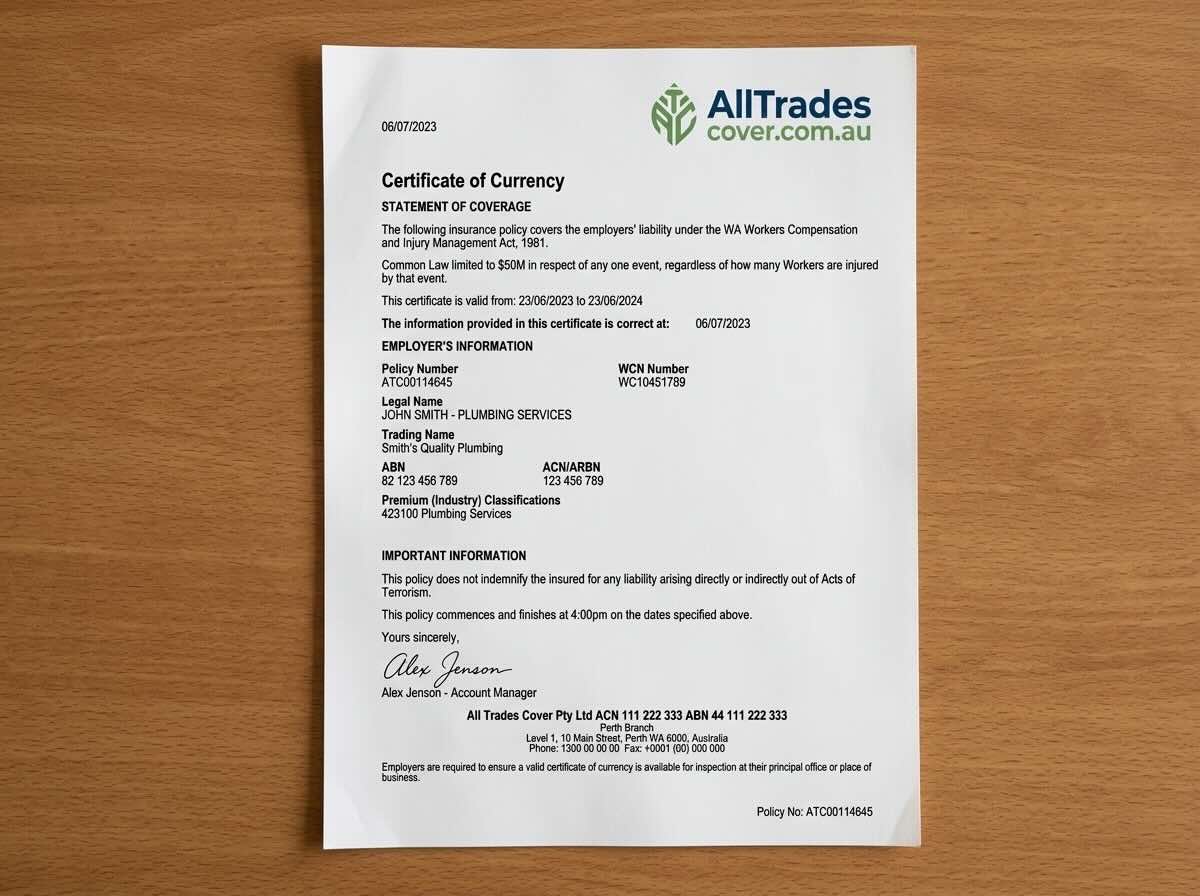
What Is a Certificate of Currency?
A Certificate of Currency is a document showing that an insurance policy is current on the date it is issued. Builders, clients, councils, regulators and principal contractors may request one before allowing work to begin.
The certificate generally shows information such as the insured entity, policy period, type of insurance and cover limit. It does not contain every policy term, exclusion or endorsement.
A Certificate of Currency should therefore be checked against the contract or licence requirement. Learn more about Certificates of Currency and Certificates of Insurance.
What Information Do You Need for a Public Liability Quote?
Accurate business information helps insurers assess your work and provide terms that reflect the exposure. You will commonly need to provide:
- Your trade and a clear description of all services performed.
- Your legal business structure, ABN and trading names.
- Your estimated annual turnover.
- The number of employees, apprentices and labour-hire workers.
- Details of subcontractors and the percentage of work subcontracted.
- The types of residential, commercial, civil, industrial or mining sites you work on.
- The states, territories and remote areas where you operate.
- Your required Public Liability Insurance limit.
- Your claims and insurance history.
- Any contract clauses or Certificate of Currency requirements.
How the quote process works
STEP 1
Provide your details
Provide your trade, activities, turnover, workforce, work locations and required cover limit.
STEP 2
Review available quotes
All Trades Cover can compare available insurer options that may consider your work and risk profile.
STEP 3
Compare the policy terms
Review the premium, limit, excess, exclusions, endorsements and documents required for your work.
STEP 4
Confirm the cover
Where the application is accepted and cover is arranged, policy documents and a Certificate of Currency can be issued.
Should You Choose the Cheapest Public Liability Quote?
Price is one part of the comparison, but a lower premium may not provide the limit, policy wording or contract endorsements required for your work.
When comparing quotes, check:
- The Public Liability Insurance limit.
- The Products Liability limit and wording.
- The policy excess.
- Excluded work activities.
- Restrictions relating to heights, excavation, hot work or hazardous locations.
- Subcontractor and labour conditions.
- Property in care, custody or control sub-limits.
- Contractual Liability exclusions.
- Principal’s Indemnity, Cross Liability and Waiver of Subrogation requirements.
- Whether the legal entity and business activities are described correctly.
A policy should be reviewed against the actual work and contractual requirements. A Certificate of Currency alone does not confirm that every activity or contractual obligation is covered.
Can a Sole Trader Pay Public Liability Insurance Monthly?
Monthly payment options may be available depending on the insurer, policy type and premium funding arrangement.
Before selecting monthly payments, review any applicable fees, interest, cancellation terms and funding conditions. Monthly payments change how the premium is paid, but the policy remains subject to its terms, conditions, limits and exclusions.
Read more about paying Public Liability Insurance monthly.
What Other Insurance Might a Sole Trader Consider?
Public Liability Insurance addresses certain third-party injury and property damage claims. It does not replace other insurance that may be relevant to a sole trader’s income, assets, vehicles or professional services.
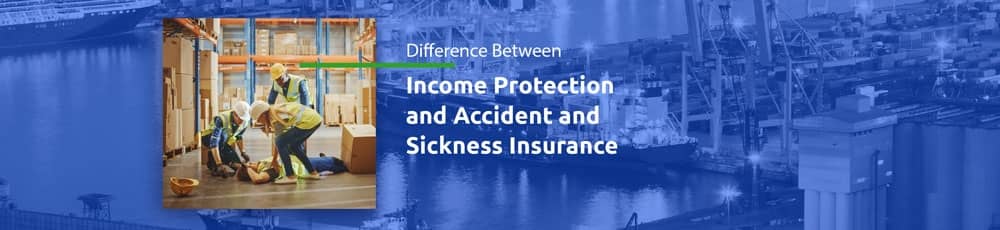
Personal Accident and Illness Insurance
A sole trader generally cannot cover themselves as an employee under Workers Compensation Insurance. Personal Accident and Illness Insurance may provide certain benefits if an insured injury or illness prevents the insured person from working, subject to the selected cover and policy conditions.
Property and Tools Insurance
Property and Tools Insurance may help cover eligible portable tools and equipment against specified events. Public Liability Insurance does not usually cover a sole trader’s own tools.
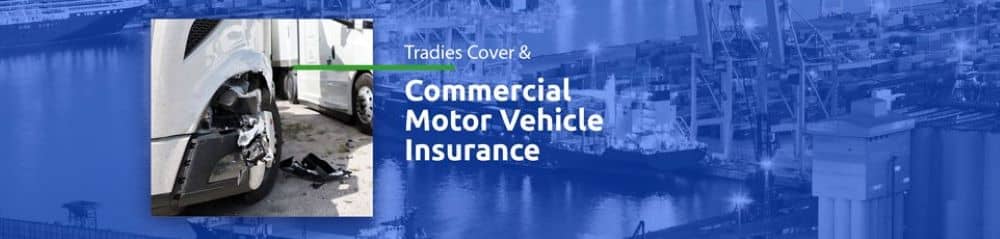
Commercial Vehicle Insurance
Commercial Vehicle Insurance may be relevant for work utes, vans, trucks and other registered business vehicles. Public Liability Insurance does not usually replace motor vehicle cover.
Professional Indemnity Insurance
Professional Indemnity Insurance may be relevant where a sole trader provides advice, design, inspection, certification, reporting or consulting services. Public Liability Insurance generally focuses on third-party injury and property damage rather than financial loss caused by professional service errors.
Workers Compensation Insurance
A sole trader who employs workers may have Workers Compensation Insurance obligations under the relevant state or territory rules.
All Trades Cover may be able to assist with arranging Workers Compensation Insurance for businesses in Western Australia, Tasmania, the Australian Capital Territory and the Northern Territory. In New South Wales, Victoria, Queensland and South Australia, cover generally needs to be arranged through the relevant state-based scheme or authorised provider.
Requirements and available assistance vary between states and territories. Cover is subject to applicable workers compensation legislation, scheme requirements, policy terms, conditions, limits, exclusions and insurer acceptance.
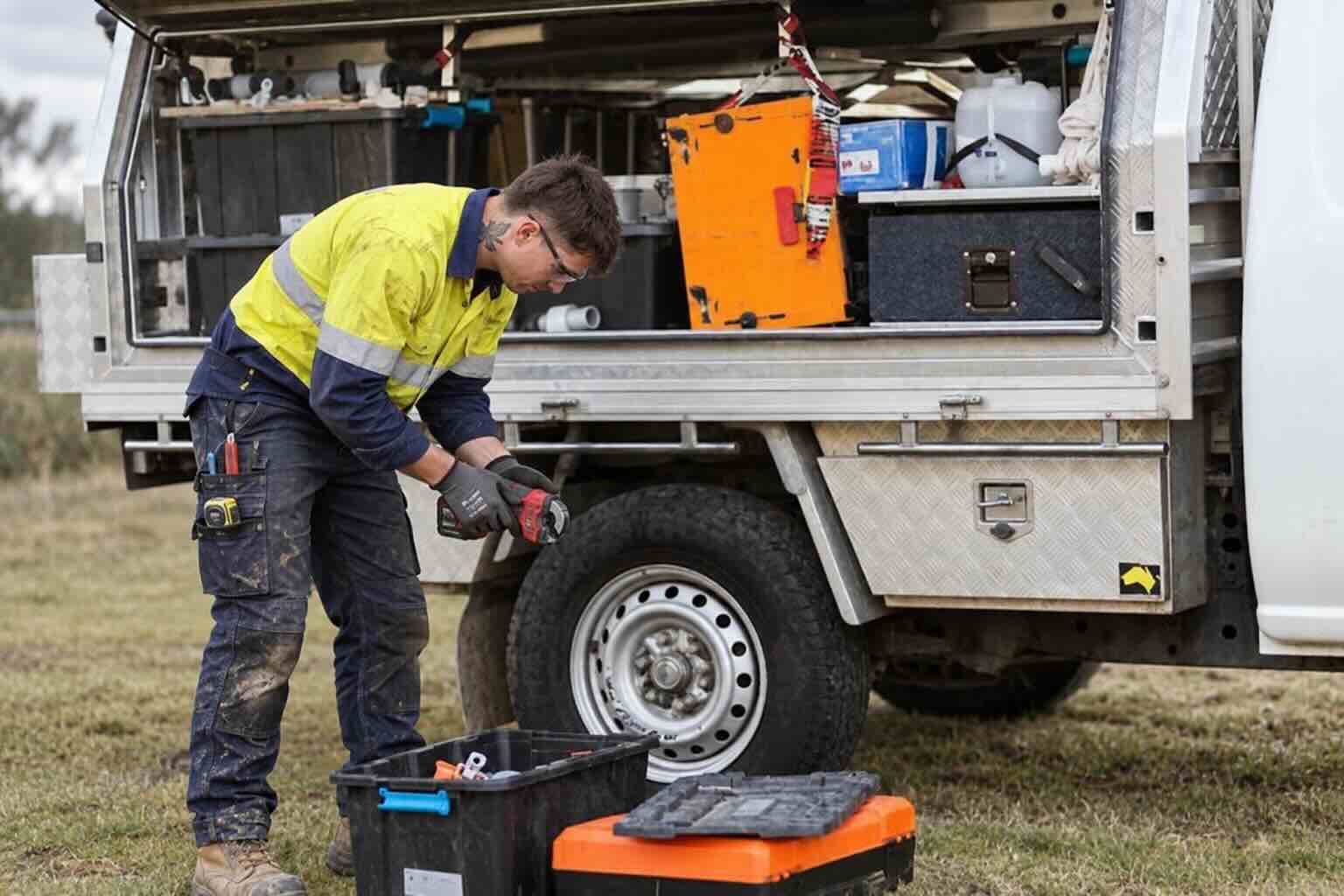
Our guide on insurance for sole traders explains how these cover types address different business exposures.
Get a Public Liability Insurance Quote for Your Sole Trader Business
The cost of Public Liability Insurance for a sole trader depends on more than whether the business has one owner. Your trade, services, turnover, work sites, subcontractors, claims history, required limit and contract conditions can all affect the premium.
All Trades Cover can review your business details and compare available Public Liability Insurance options from insurers that may consider your trade and work profile. Available cover, pricing and policy terms remain subject to insurer assessment and acceptance.
This information is general only and does not take into account your objectives, financial situation or needs. Cover is subject to policy terms, conditions, limits, exclusions and insurer acceptance.
Frequently Asked Questions
How much does Public Liability Insurance cost per month for a sole trader?
There is no fixed monthly amount for every sole trader. Your premium depends on your trade, turnover, activities, locations, subcontractors, claims history, cover limit and policy requirements. Monthly payment options may be available, subject to fees and premium funding terms.
Can a sole trader get Public Liability Insurance?
Yes. Sole traders commonly hold Public Liability Insurance when working with homeowners, builders, property managers, councils, commercial clients or other contractors. The policy should be arranged in the correct legal and trading name.
Does having an ABN mean I need Public Liability Insurance?
Holding an ABN does not automatically make Public Liability Insurance compulsory. However, clients, licences, contracts, premises, councils or site operators may require proof of cover before you can perform certain work.
Is $5 million of Public Liability Insurance enough for a sole trader?
It depends on your trade, client, contract and work site. Some smaller jobs may accept $5 million, while commercial, civil, government, industrial or mining work may request $10 million or $20 million. Confirm the required limit before starting work.
Does working from home make Public Liability Insurance cheaper?
Working from home may present a different exposure from operating at active work sites or premises with regular visitors. However, the insurer will still consider your occupation, client interactions, products, off-site work and other business activities before calculating the premium.
Does Public Liability Insurance cover my subcontractors?
Not automatically. Your policy may cover your liability arising from subcontracted work without covering the subcontractor’s own liability. Independent subcontractors may need their own Public Liability Insurance. Disclose your subcontracting arrangements to the insurer and check the contract, policy wording and any subcontractor conditions before work begins.
Does Public Liability Insurance cover my tools?
No. Public Liability Insurance does not usually cover the theft, loss or damage of your own tools. Separate Property and Tools Insurance may be needed, subject to policy terms and exclusions.
Does Public Liability Insurance cover me if I am injured?
No. Public Liability Insurance generally responds to claims made by third parties. A sole trader may consider Personal Accident and Illness Insurance for certain income or lump-sum benefits following an insured injury or illness, subject to the policy.
Can I get a Certificate of Currency quickly?
A Certificate of Currency may be issued once the insurer has accepted the application, cover has been confirmed and any required payment or instructions have been completed. Timeframes depend on the insurer, policy and information required.
Will a Certificate of Currency meet every contract requirement?
No. A Certificate of Currency confirms that a policy is current at the date of issue, but it does not show every term, condition or exclusion. The policy wording and endorsements should be checked against the contract requirements.



















![What Insurance Does a Sole Trader Need? [Guide for Tradies]](https://www.alltradescover.com.au/wp-content/uploads/2020/06/what-insurance-does-sole-trader-need.jpg)