



Public Liability Insurance is business insurance that may help cover your legal liability if your business causes injury to a third party or damage to someone else’s property in connection with insured business activities. Where a claim falls within the policy, cover may also respond to legal defence, investigation and compensation costs.
For tradies, contractors and other businesses that work at client premises, on construction sites or around members of the public, Public Liability Insurance is one of the main forms of business insurance commonly considered. The exact cover depends on your declared activities, policy wording, limits, exclusions and insurer acceptance.
Quick summary
- Public Liability Insurance may respond if your business becomes legally liable for certain third-party injuries or property damage connected to insured business activities.
- Cover may include legal defence costs, claim investigation expenses and compensation payable to a third party where the policy responds.
- Products Liability is often included with Public Liability Insurance and may apply to certain claims involving products your business supplies, installs, repairs or manufactures.
- Public Liability Insurance does not usually cover work-related injuries to your employees, loss of or damage to your own tools or vehicles, professional advice errors or the cost of simply fixing defective workmanship.
- Public Liability Insurance is not a blanket legal requirement for every Australian business, although certain occupations, licences, contracts, tenders and work sites may require specified cover.
- Common liability limits include $5 million, $10 million and $20 million, but the amount required can depend on your contracts, work and insurer acceptance.
- Cover is subject to policy terms, conditions, limits, exclusions and insurer acceptance.
What does Public Liability Insurance mean?
Public Liability Insurance deals with certain claims made against your business by other people or organisations. The key issue is whether your business has a legal liability for the injury, damage or loss being claimed and whether the incident falls within the policy wording.
The word public can cause confusion. A claim does not have to happen in a public place. Depending on the policy and circumstances, a third party may be a customer, property owner, visitor, supplier, neighbouring business or member of the public.
You can read more about the cover All Trades Cover arranges on our Public Liability Insurance page.
What does Public Liability Insurance cover?
Public Liability Insurance may cover certain third-party personal injury and property damage claims arising from your insured business activities. Policies can also include related legal and claim costs, although the available cover differs between insurers and policy wordings.
The table is general only. Available cover varies between policies. Cover is subject to policy terms, conditions, limits, exclusions and insurer acceptance.
Third-party property damage
A third-party property damage claim can arise when work performed by your business damages property that does not belong to you.
For a contractor, that could involve accidental damage to a client’s building, flooring, fixtures, equipment or neighbouring property. On a larger site, a claim can become more complicated where several contractors were working in the same area or where a contract assigns particular responsibilities between the parties.
Property that you are directly working on, holding or controlling may also fall within care, custody or control provisions. Standard policies can restrict this exposure or apply a separate sub-limit, so the wording needs to be checked.
Third-party personal injury
A third-party personal injury claim may arise when another person alleges that your business caused their injury.
For example, a customer could trip over equipment within a work area, or a visitor could be injured by materials associated with a job. Whether Public Liability Insurance may respond depends on the circumstances of the incident, legal liability and the policy wording.
Legal defence costs
A liability dispute can involve legal costs before anyone establishes responsibility. Depending on the policy, Public Liability Insurance may help cover approved legal representation, investigation costs, expert reports and other defence expenses associated with an insured claim.
The treatment of defence costs varies. Some policy wordings include those costs within the liability limit, while others may provide them in addition to the limit or subject them to separate conditions.
Products Liability
Products Liability is commonly packaged with Public Liability Insurance, but the two address different stages of exposure.
Public Liability generally focuses on liability arising from business activities. Products Liability may respond to certain injuries or property damage caused by a product after the product leaves your possession or after work involving that product has been completed.
A trade business does not need to manufacture a product to have a products exposure. Supplying, installing, repairing or distributing a product can create a potential exposure depending on the circumstances.
Our guide to the difference between Public Liability and Products Liability explains this in more detail.
What does Public Liability Insurance not usually cover?
Public Liability Insurance addresses specific third-party liability risks. It does not replace the other insurance a business may need for its workers, vehicles, equipment, professional services or project works.
Common exclusions, limitations or separate insurance areas can include:
- Employee injuries: Claims involving employees generally fall within Workers Compensation Insurance arrangements rather than standard Public Liability Insurance.
- Your own tools and equipment: Theft, loss or damage to your own tools and portable equipment generally requires separate Tools and Equipment Insurance or General Property cover.
- Your own vehicles: Damage to insured business vehicles and many liabilities arising from registered vehicle use fall under motor insurance arrangements.
- Your own plant and machinery: Damage to excavators, loaders, access equipment and other plant generally requires suitable plant and machinery cover.
- Professional advice or design errors: Claims arising from professional advice, specifications, design, certification or consulting services may require Professional Indemnity Insurance.
- The cost of correcting defective work itself: Public Liability Insurance may distinguish between the cost of rectifying faulty workmanship and resulting third-party damage caused by the work.
- Contractual liability: Liability accepted solely because of a contract may be limited or excluded unless the policy provides suitable cover or an insurer-approved extension.
- Intentional or illegal acts: Deliberate damage, unlawful conduct and known circumstances can fall outside cover.
- Pollution and contamination: Policies may exclude pollution or only provide limited cover for specified pollution events.
The exclusions above are examples rather than a complete list. The applicable Product Disclosure Statement, policy wording, schedule and endorsements determine what a particular policy may cover.
Does Public Liability Insurance cover faulty workmanship?
Public Liability Insurance does not usually pay simply to redo or repair defective workmanship. A policy may, however, respond to certain resulting third-party injury or property damage caused by faulty work, subject to the wording.
For example, if a contractor installs a component incorrectly, the cost of removing and reinstalling that component may fall outside the liability policy. If the faulty installation later causes separate damage to other third-party property, the resulting damage may need to be assessed differently.
The distinction can depend on the work performed, what property suffered damage, when the damage occurred and any defective workmanship, care, custody or control or products exclusions in the policy.
Is Public Liability Insurance compulsory in Australia?
Public Liability Insurance is not a blanket legal requirement for every business in Australia. However, Australian Government guidance states that some states and territories require Public Liability Insurance for certain occupations. Licensing rules, contracts, councils, property managers, builders, principal contractors and site operators may also impose insurance requirements.
Requirements can therefore differ by trade, state, licence class, project and client. A policy that meets one contract or site requirement should not be assumed to meet another.
As at September 2026, businesses should check current requirements that apply to their occupation, licence and contract rather than relying on a general rule. Our separate guide explains when Public Liability Insurance may be compulsory in Australia in more detail.
Who commonly uses Public Liability Insurance?
Businesses that work around clients, members of the public or third-party property commonly consider Public Liability Insurance. For trades and contractors, the exposure can arise at homes, building sites, commercial premises, workshops, industrial facilities, civil projects and mine sites.
Businesses that commonly consider Public Liability Insurance include:
- Sole traders
- Subcontractors
- Trade contractors
- Builders and construction businesses
- Installation and maintenance businesses
- Civil contractors
- Plant and earthmoving businesses
- Mining contractors
- Cleaning, landscaping and property service businesses
- Small and medium-sized businesses that deal with customers or operate at third-party premises
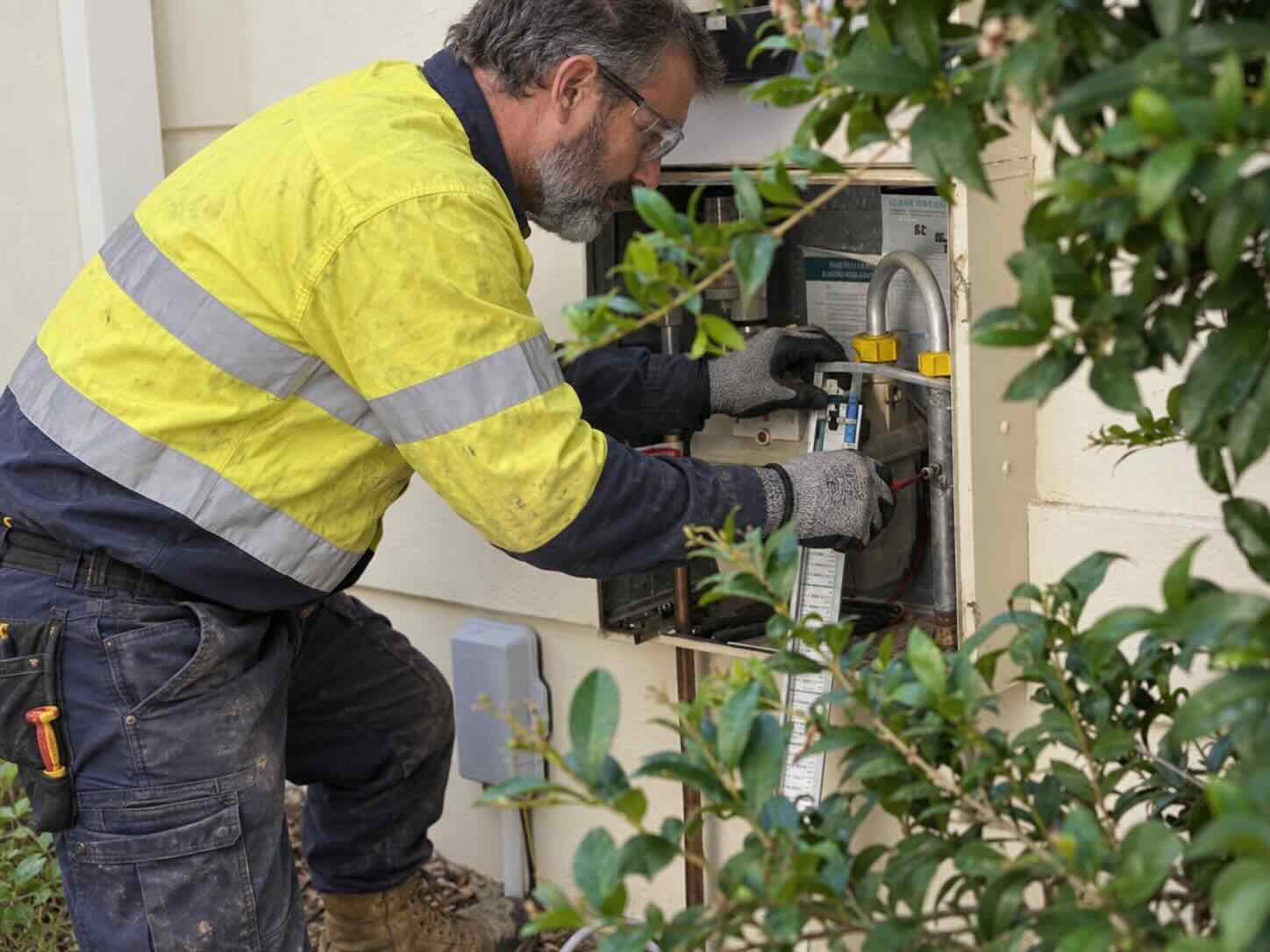
The exposure varies significantly between occupations. An electrician working inside occupied buildings has different activities from a plumber performing maintenance work or a builder managing subcontractors across an active construction site.
Sole traders can also hold Public Liability Insurance. Our guide to Public Liability Insurance for sole traders covers the issues that commonly arise for self-employed operators.
Do contractors and subcontractors need their own Public Liability Insurance?
Contractors and subcontractors are often required to hold their own Public Liability Insurance under contracts or site-access arrangements. Whether cover is required, and the limit or wording required, depends on the particular arrangement.
A principal contractor’s Public Liability Insurance should not automatically be treated as cover for every subcontractor. Likewise, a subcontractor’s policy does not automatically transfer every liability back to the principal.
Insurers may ask a business to disclose:
- Whether subcontractors are used
- The type of work subcontractors perform
- Amounts paid to subcontractors
- Whether subcontractors hold their own insurance
- Whether labour-only contractors are used
- Whether higher-risk activities are subcontracted
Businesses using contractors should accurately describe their labour arrangements to the insurer. Our contractor Public Liability Insurance guide covers this area in more detail.
How much Public Liability Insurance do you need?
Common Public Liability Insurance limits include $5 million, $10 million and $20 million. The appropriate limit for a particular business can depend on its work, contracts, clients, licence conditions, site requirements and the options available from insurers.
A smaller residential contractor may face different insurance requirements from a business working on large commercial, industrial, civil or mining projects.
The policy limit is also only one part of the insurance arrangement. Businesses should consider whether the policy accurately describes their activities and whether the required endorsements, extensions and sub-limits are present.
For example, a contract requesting $20 million of Public Liability Insurance may also contain requirements involving Principal’s Indemnity, Cross Liability, Waiver of Subrogation or specific Certificate of Currency wording. Holding a $20 million limit alone does not confirm that every requirement has been met.
Read our guide to how much Public Liability Insurance tradies may need for a closer look at liability limits.
What is an insurance limit?
The limit is the maximum amount available under the applicable policy section, subject to the policy wording. How the limit applies can differ between policies.
Depending on the wording, a policy may have:
- A limit applying to each occurrence
- An aggregate limit applying across specified claims during the policy period
- A separate Products Liability aggregate
- Sub-limits for particular exposures
- Different treatment of defence costs
The schedule and policy wording should be read together when checking the limit.
What is an excess?
An excess is the amount the insured may need to contribute towards an accepted claim before or as part of the insurer’s payment, depending on the policy.
Different excesses can apply to different types of claims or business activities. A higher policy limit does not necessarily mean the policy has a lower excess or broader cover.
How much does Public Liability Insurance cost?
Public Liability Insurance premiums depend on how the insurer assesses the business and its exposure. There is no single price that applies across all trades or contractors.
Insurers may consider factors such as:
- Type of work: The activities you perform can materially affect how an insurer assesses the risk.
- Turnover: Revenue can indicate the scale of the business and the amount of work performed.
- Employees and subcontractors: Workforce size and contractor arrangements can affect the exposure presented to the insurer.
- Work locations: Residential maintenance, commercial construction, industrial facilities, civil projects and mining sites can present different exposures.
- Liability limit: The selected policy limit can influence premium.
- Claims history: Previous liability incidents or claims may form part of the insurer’s assessment.
- Higher-risk activities: Work involving heights, excavation, hot work, hazardous locations, structural work or other specialist activities may require further underwriting.
- Policy extensions: Contract-specific endorsements or additional cover requirements can affect policy structure and premium.
If pricing is your main question, see our separate guide to how much Public Liability Insurance costs.
Public Liability Insurance compared with other business insurance
Public Liability Insurance deals with third-party liability exposure. Other policies address different risks and one type of insurance does not automatically replace another.
Each insurance type has different terms, conditions, limits and exclusions. The table provides a general comparison only.
Public Liability Insurance vs Professional Indemnity Insurance
The main difference is the type of liability being insured. Public Liability Insurance may respond to certain third-party injury or property damage claims, while Professional Indemnity Insurance may respond to certain claims arising from professional advice or services.
A contractor can have both exposures. For example, a business might physically install equipment while also producing designs, calculations or specifications.
Public Liability Insurance vs Workers Compensation Insurance
Public Liability Insurance generally deals with claims made by third parties. Workers Compensation Insurance deals with eligible workplace injury and illness claims involving workers under the applicable workers compensation legislation or scheme.
Workers compensation requirements vary by jurisdiction and workforce arrangement. All Trades Cover may be able to arrange Workers Compensation Insurance for eligible businesses in Western Australia, Tasmania, the Australian Capital Territory and Northern Territory, subject to applicable scheme requirements and insurer acceptance.
Public Liability Insurance vs Tools and Equipment Insurance
Public Liability Insurance does not usually insure your own tools against theft or accidental damage. Tools and Equipment Insurance, sometimes referred to as General Property Insurance, may cover declared tools and portable equipment against specified insured events.
What should you check in a Public Liability policy?
A liability limit alone does not tell you whether a policy reflects the way your business operates. The declared activities, exclusions, workforce, contracts and endorsements can be just as relevant.
Check your Public Liability Insurance when you:
Changes to your work, workforce or contracts can affect the information your insurer needs and the terms available.
Add a new trade, service or business activity.
Move into commercial, civil, industrial or mining work.
Begin using employees, labour hire workers or subcontractors.
Take on a contract with different insurance clauses or limits.
Start work involving heights, excavation, hot work or specialist activities.
Increase turnover, project values or the size of your operations.
Supply, install or manufacture different products.
Change your business entity, trading name or operating structure.
A business change does not automatically mean different cover is required. The existing policy, new activities, contracts and insurer requirements should be reviewed. Cover changes remain subject to insurer acceptance.
What Public Liability Insurance terms should tradies understand?
Policy documents contain several terms that can affect how cover works. Understanding the main ones makes it easier to compare policies and check a contract against the insurance you hold.
Declared business activities
Insurers assess a business based on the activities disclosed when the policy is arranged or renewed. A policy describing electrical installation work, for example, should not be assumed to cover unrelated excavation, demolition or structural work.
New services and material changes to your work should be disclosed to your broker or insurer so the insurer can assess whether it will accept the exposure.
Care, custody or control
Care, custody or control refers to property belonging to someone else that is under your control. Public Liability policies can restrict or exclude this exposure, although some policies provide specified cover or sub-limits.
This can matter for contractors who repair, handle, lift, store or work directly on third-party property.
Principal’s Indemnity
Principal’s Indemnity is an extension that may provide certain protection to a principal in connection with liability arising from the insured contractor’s work, where the wording is included and the policy responds.
Builders, principal contractors, councils, government bodies and mining companies may request Principal’s Indemnity wording. An insurer must agree to the applicable endorsement before it can be treated as part of the policy.
Cross Liability
Cross Liability wording can affect how a liability policy treats claims between insured parties. This may be relevant where several entities or parties have been included within the insurance arrangement.
Waiver of Subrogation
A Waiver of Subrogation can restrict an insurer’s ability to pursue recovery from a specified party after paying an insured claim. Some construction and commercial contracts request this wording.
A contractual request for Principal’s Indemnity, Cross Liability or Waiver of Subrogation should be checked against the actual policy. The insurer needs to accept any required wording that is not already provided.
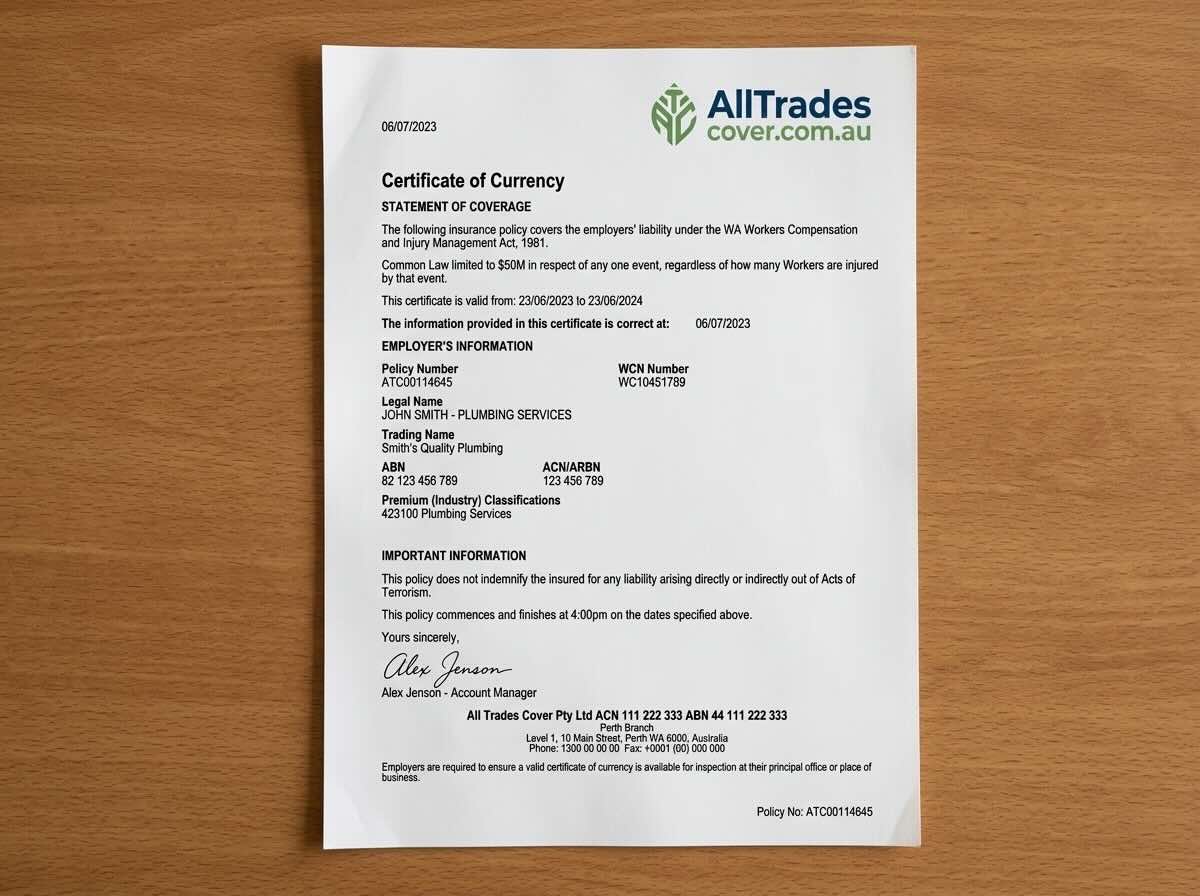
What is a Certificate of Currency?
A Certificate of Currency is evidence that an insurance policy is current on the date shown and usually sets out information such as the insured name, policy period, type of insurance and policy limit.
Builders, principal contractors, clients, property managers and site operators commonly request Certificates of Currency before work starts.
A Certificate of Currency does not mean every activity, claim or contractual obligation is covered. It should not replace a review of the policy wording or the insurance requirements in a contract.
When checking a Certificate of Currency, look at:
- The correct legal entity or insured name
- The policy period
- The Public Liability limit
- The business or occupation description where shown
- Any principal, interested party or project wording that has been requested
See our guide to Certificates of Currency and Certificates of Insurance for more information.
How does a Public Liability claim work?
The claim process depends on the circumstances and insurer, but a business will generally need to notify the insurer or broker and provide information about the incident.
- Record the incident. Collect relevant photos, incident reports, witness details, correspondence and other available evidence where it is safe and appropriate to do so.
- Notify the insurer or broker. Notification requirements and timeframes can apply even if the third party has not yet made a formal demand.
- Provide the requested information. The insurer may need contracts, invoices, job records, photos, statements or other documents to understand what occurred.
- The insurer assesses the claim. The insurer considers liability, the facts of the incident and whether the policy may respond.
- The claim progresses under the policy. The insurer may appoint lawyers, investigators or experts and determine its response in accordance with the policy and circumstances.
Businesses should avoid admitting liability, agreeing to a settlement or committing to claim costs without checking the policy requirements and obtaining appropriate insurer consent.
All Trades Cover can support clients through the claims process, including helping with documentation, communication and coordination with the insurer. The insurer remains responsible for assessing the claim and deciding the outcome under the policy.
Public Liability Insurance examples for tradies
The examples below show the types of situations that may lead to a Public Liability claim. They do not mean the incidents would automatically be covered.
Example 1: Accidental damage at a client’s property
An electrical contractor is carrying equipment through a client’s commercial premises and accidentally damages a glass partition. The client alleges the contractor is responsible for the replacement cost.
How we may be able to help
If the contractor holds suitable Public Liability Insurance, the incident can be notified to the insurer. The insurer may assess the circumstances, the contractor’s legal liability and the relevant property damage provisions within the policy.
This example is general only and does not mean a claim will be covered. Cover is subject to the relevant policy terms, conditions, limits, exclusions and insurer acceptance.
Example 2: A visitor is injured near a work area
A carpenter is completing work at an occupied commercial property. A visitor trips over material near the contractor’s work area and makes an injury claim against the business.
How we may be able to help
The contractor can notify the claim to the insurer. The insurer may review site records, photographs, witness information and the circumstances surrounding the injury before determining whether the Public Liability policy may respond.
This example is general only and does not mean a claim will be covered. Cover is subject to the relevant policy terms, conditions, limits, exclusions and insurer acceptance.
Example 3: An installed product later causes damage
An air conditioning contractor supplies and installs equipment at a client’s premises. A component later fails and the client alleges the failure caused damage to other property.
How we may be able to help
Depending on the policy structure, declared activities and cause of the damage, the insurer may assess the matter under relevant Public and Products Liability provisions. The cost of rectifying defective work or replacing the defective component itself may be treated differently from resulting third-party property damage.
This example is general only and does not mean a claim will be covered. Cover is subject to the relevant policy terms, conditions, limits, exclusions and insurer acceptance.
Do you need Public Liability Insurance?
The answer depends on the business, legal requirements, contracts and work performed. Public Liability Insurance is commonly considered where a business works at third-party premises, interacts with customers or the public, supplies or installs products, or needs evidence of liability insurance for contracts or site access.
Questions worth checking include:
- Does your licence or registration require liability insurance?
- Does a client, builder or principal contractor specify a minimum limit?
- Do you work at customer premises or active work sites?
- Could your work cause injury to someone outside your business?
- Could your work damage property belonging to a customer or another party?
- Do you supply or install products?
- Do you use subcontractors?
- Does a contract require specific endorsements or Certificate of Currency wording?
For a deeper look at the decision, see Do I Need Public Liability Insurance?
How to arrange Public Liability Insurance
To obtain Public Liability Insurance, an insurer normally needs enough information to understand what your business does and the exposures it is being asked to insure.
Information commonly requested includes:
- Your trade and all business activities
- Annual turnover
- Employee numbers and wages where relevant
- Subcontractor use and payments
- Residential, commercial, civil, industrial or mining work
- Maximum contract values
- Work involving heights, depths, heat or other specialist activities
- Products supplied, installed or manufactured
- Previous claims or incidents
- The Public Liability limit required
- Any contract-specific insurance clauses or endorsements
Accurate disclosure matters because insurers price and structure policies around the business activities and information provided to them.
About All Trades Cover
All Trades Cover is a specialist insurance brokerage working with trades, construction, mining and heavy industry businesses across Australia. All Trades Cover operates under AFSL 418512 and works with businesses ranging from sole traders and subcontractors through to larger contractors, plant operators and multi-site businesses.
All Trades Cover has more than 30 years of industry experience and was ranked in the Insurance Business Top Brokerages for more than 10 consecutive years from 2013 to 2024.
Our brokers can help you compare available trade insurance options, understand policy wording and review insurance requirements contained in contracts. Any available cover remains subject to insurer assessment, policy terms, conditions, limits and exclusions.
Frequently asked questions about Public Liability Insurance
What is Public Liability Insurance in Australia?
Public Liability Insurance is business insurance that may help cover legal liability for certain injuries to third parties or damage to third-party property arising from insured business activities. Cover may also include approved legal defence and claim costs, subject to the policy wording.
What is an example of a Public Liability claim?
A Public Liability claim could arise if a contractor accidentally damages a client’s property or a visitor alleges they were injured because of the contractor’s work. Whether the policy may respond depends on legal liability, the circumstances and the applicable policy terms.
Does Public Liability Insurance cover property damage?
Public Liability Insurance may cover certain claims involving accidental damage to third-party property where your business is legally liable and the claim falls within the policy. Property in your care, custody or control and property being worked on can be subject to exclusions or sub-limits.
Does Public Liability Insurance cover customer injuries?
Public Liability Insurance may respond to certain injury claims made by customers or other third parties where the insured business has legal liability. Employee injuries generally fall under separate workers compensation arrangements.
Does Public Liability Insurance cover employees?
Public Liability Insurance does not generally replace Workers Compensation Insurance for employee injuries. Workers compensation requirements depend on the jurisdiction, worker classification and workforce structure.
Does Public Liability Insurance cover subcontractors?
Cover depends on the policy and subcontractor arrangement. A business may need to declare subcontractor use, while independent subcontractors may be required to hold their own Public Liability Insurance. One party’s insurance should not automatically be assumed to cover another party’s liability.
Can a sole trader get Public Liability Insurance?
Yes. Public Liability Insurance is commonly used by sole traders whose work creates third-party injury or property damage exposure or where a client, licence, contract or site requires evidence of liability insurance. Insurer acceptance and policy terms still apply.
Does Public Liability Insurance cover tools?
Public Liability Insurance does not usually cover theft, loss or damage to your own tools. Separate Tools and Equipment Insurance may cover eligible tools and portable equipment against specified insured events.
Does Public Liability Insurance cover work after the job is finished?
Claims can arise after work has been completed, particularly where an installed or supplied product later causes injury or third-party property damage. Products Liability provisions may be relevant, but whether cover responds depends on the policy, the activity and the cause of the claim.
Does Public Liability Insurance cover defective workmanship?
Public Liability Insurance does not usually cover the cost of simply fixing or replacing defective work itself. Certain resulting third-party property damage or injury may be assessed separately where the policy responds.
Is Public Liability Insurance compulsory for sole traders?
Public Liability Insurance is not compulsory for every sole trader in Australia. Some occupations, licences, contracts, tenders and sites may require it, so the applicable rules and contractual requirements should be checked.
What Public Liability limit should I choose?
$5 million, $10 million and $20 million are common Public Liability limits, but the amount required depends on the business, work, contracts, licensing conditions and site requirements. A stated limit should not be treated as confirmation that every other contract or policy requirement has been met.
What is proof of Public Liability Insurance?
A Certificate of Currency is commonly used as evidence that a Public Liability policy is current and shows key details such as the insured entity, policy period and liability limit. A Certificate of Currency does not confirm that every activity or potential claim is covered.
Can a client require Public Liability Insurance?
Yes. A client, builder, principal contractor, council, property manager or site operator can include insurance requirements within a contract or site-access arrangement. The required limit, endorsements and documentation should be checked against the actual policy.
What should I do if someone makes a Public Liability claim against my business?
Notify your insurer or broker as soon as practical and follow the policy’s claim notification requirements. Keep relevant records and avoid admitting liability or agreeing to a settlement without appropriate insurer consent. All Trades Cover can support clients through the claims process, while the insurer assesses whether the policy responds.
Speak with All Trades Cover about Public Liability Insurance
Public Liability Insurance can be relatively straightforward for some small businesses and more involved for contractors working across multiple sites, using subcontractors or dealing with detailed commercial, civil, industrial or mining contracts.
All Trades Cover can help you review your business activities, liability limits, insurer requirements and available policy options. You can request a quote or contact our trade insurance brokers to discuss the available options.
Cover is subject to policy terms, conditions, limits, exclusions and insurer acceptance.
This information is general only and does not take into account your objectives, financial situation or needs.

















![What Insurance Does a Sole Trader Need? [Guide for Tradies]](https://www.alltradescover.com.au/wp-content/uploads/2020/06/what-insurance-does-sole-trader-need.jpg)