



No, Professional Indemnity Insurance is not the same as Public Liability Insurance. Public Liability Insurance may respond when your business activities cause third-party personal injury or property damage. Professional Indemnity Insurance may respond when a client alleges that your advice, design, documentation or professional service caused financial loss.
The two policies deal with different risks. A tradie or contractor may need one or both depending on the physical work performed, the professional services provided and any contract, client, licensing or site-access requirements.
Quick summary
- Professional Indemnity Insurance and Public Liability Insurance are separate covers that respond to different business risks.
- Public Liability Insurance may cover certain third-party personal injury, property damage and associated legal costs.
- Professional Indemnity Insurance may cover certain claims involving professional errors, advice, designs, documentation or services that allegedly cause financial loss.
- A business that performs physical work and provides professional advice or design services may need to consider both policies.
- Neither policy should be assumed to meet every licensing, tender, contract or site-access requirement.
- Cover is subject to policy terms, conditions, limits, exclusions and insurer acceptance.
What Is the Main Difference Between Professional Indemnity and Public Liability?
The main difference is the type of allegation each policy is intended to address.
Public Liability Insurance generally relates to physical injury or property damage suffered by another person because of your business activities. Professional Indemnity Insurance generally relates to financial loss allegedly caused by your professional advice, design, documentation or services.
The key distinction
Public Liability Insurance focuses on certain third-party injuries and physical property damage. Professional Indemnity Insurance focuses on certain financial losses connected to professional services. One policy does not automatically replace or include the other.
Professional Indemnity vs Public Liability at a Glance
The table below provides a general comparison. The way a claim is assessed will depend on the allegation, the declared business activities and the wording of the relevant policy.
This is a general comparison only. Cover depends on the insured business description and the policy terms, conditions, limits and exclusions.
What Does Public Liability Insurance Cover?
Public Liability Insurance may help cover certain claims made by third parties for personal injury or property damage connected to your business activities.
A third party could include a customer, member of the public, supplier, property owner or another business affected by your work. Public Liability Insurance may also help cover associated legal defence costs where the claim falls within the policy.
Depending on the policy, Public Liability Insurance may cover:
- Third-party personal injury.
- Third-party property damage.
- Legal costs and defence fees connected to a covered claim.
- Compensation payable for a covered liability claim.
For example, Public Liability Insurance may be relevant if a customer trips over equipment at a worksite or if your work accidentally damages property belonging to a client.
Public Liability Insurance generally does not cover damage to your own property, deliberate or illegal acts, employee injuries or claims based solely on professional advice or negligence. Other cover types may need to be considered for those risks.
Learn more about how much Public Liability Insurance tradies may need, including the role of contract and site-access requirements.

What Does Professional Indemnity Insurance Cover?
Professional Indemnity Insurance may help cover certain claims alleging that professional advice, designs, documentation or services caused another person or business financial loss.
Professional services are not limited to formal consulting. A contractor may have a professional exposure when clients rely on the contractor’s inspections, certifications, plans, specifications, recommendations or project decisions.
Depending on the policy, Professional Indemnity Insurance may include cover for:
- Claims arising from an alleged professional error or negligence.
- Certain breaches of contract or statutory duty.
- Legal defence and investigation costs.
- Certain allegations of misleading or deceptive conduct.
- Certain civil liabilities, which may include defamation, libel or slander where covered.
- Retroactive cover for eligible past work, where requested, accepted and included.
- Run-off cover after a business closes or a professional retires, where included.
The insured business description matters. Advice, design or other professional services should be accurately declared so that the insurer can assess the exposure. Undeclared services may not fall within the policy.
Our guide explaining why tradies may need Professional Indemnity Insurance provides more detail about professional exposures in trade and construction work.
Can One Incident Involve Both Policies?
One project can potentially involve both physical and professional allegations. However, this does not mean both policies will automatically respond.
Consider a contractor who recommends a particular system and then installs it. The client may later allege that:
- The recommendation was unsuitable and caused additional design or replacement costs.
- The installation work physically damaged another part of the client’s property.
The financial loss allegation connected to the recommendation may be considered under Professional Indemnity Insurance. The physical property damage allegation may be considered under Public Liability Insurance.
The applicable cover would depend on the cause of each loss, how the allegations are made, the declared business activities and the terms of each policy. The insurer will assess whether the claim falls within the cover.
Do Tradies Need Both Professional Indemnity and Public Liability?
Not every tradie needs both policies. The need depends on what the business does and what could cause a claim.
Public Liability Insurance may be relevant where your business performs physical work around clients, members of the public, worksites or third-party property.
Professional Indemnity Insurance may also be relevant where your work involves:
- Giving technical advice or recommendations.
- Preparing plans, drawings or specifications.
- Issuing reports, inspections or certifications.
- Making design or project decisions that clients rely on.
- Providing consulting, supervision or project management services.
A contractor who performs both on-site work and professional services may need to compare both covers. For example, some builders may manage physical site risks while also providing design input, reviewing documentation or making project decisions.
You may need to compare both policies if you:
Look at both the physical work you perform and the professional services your clients rely on.
Carry out physical work at client premises or active worksites.
Work around customers, members of the public or third-party property.
Give technical advice or product recommendations as part of a job.
Prepare plans, designs, drawings, reports or specifications.
Carry out inspections, issue certifications or sign off on work.
Have contracts, tenders or clients that request both covers.
Meeting one of these points does not automatically mean both policies are required. Review your activities, contracts and existing insurance against the relevant policy terms and insurer requirements.
Are Professional Indemnity and Public Liability Legally Required?
Neither policy is legally compulsory for every Australian business.
Public Liability Insurance is commonly requested by clients, principal contractors and worksites. Some trade licensing or contract arrangements may also require a stated level of cover before work begins.
Professional Indemnity Insurance may be required by a client, contract, tender, licensing body or professional role where the business provides advice, design, certification or other professional services.
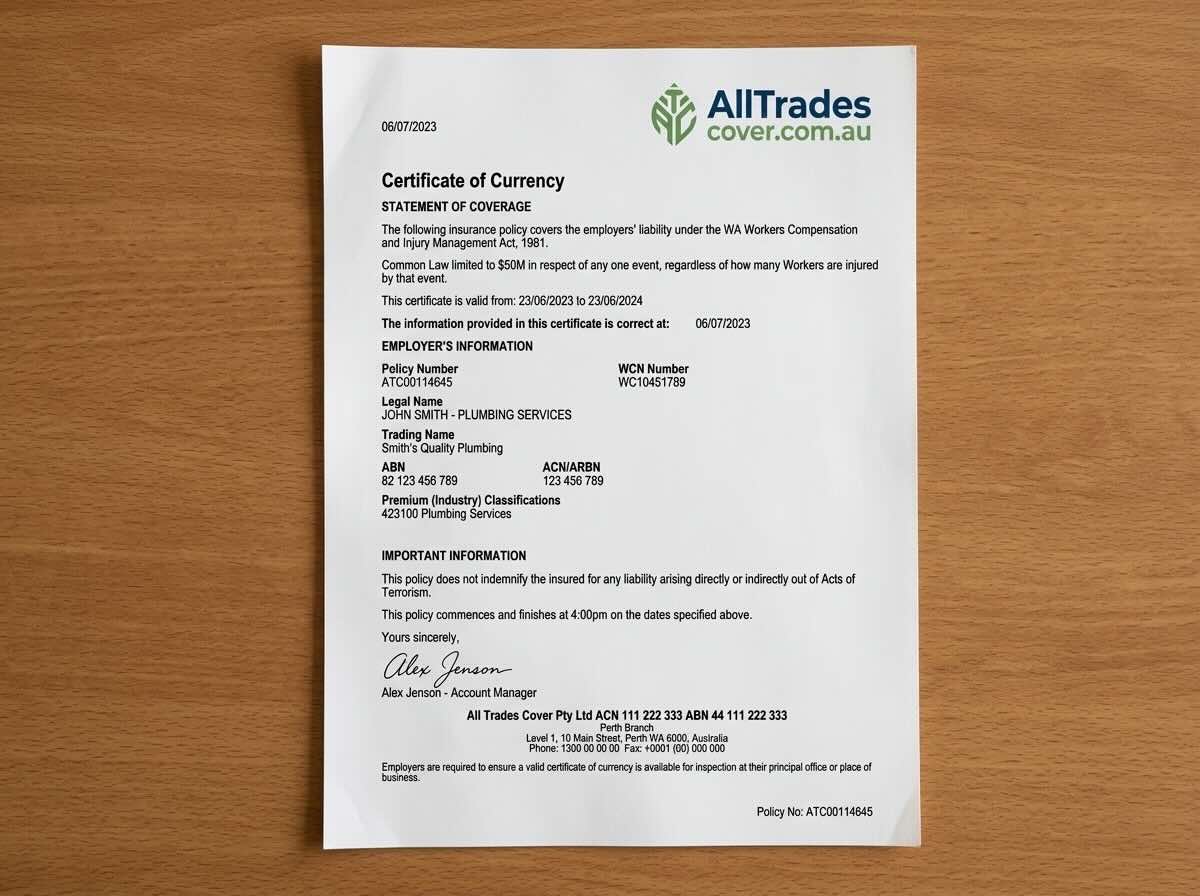
A Certificate of Currency alone should not be treated as proof that every activity, clause or contract requirement is covered. The required limits, insured activities and policy conditions should be checked against the complete contract and policy documents.
Do Both Policies Cover Legal Costs?
Both policies may cover certain legal costs, but only where the underlying matter falls within the relevant policy.
Public Liability Insurance may include legal defence costs connected to a covered third-party injury or property damage claim. Professional Indemnity Insurance may include legal defence and investigation costs connected to a covered professional liability claim.
The treatment of legal costs, settlements, compensation and policy limits varies between insurers. The policy wording should be reviewed before assuming a particular expense is included.
Can Professional Indemnity Cover Work Completed in the Past?
Professional Indemnity Insurance may include retroactive cover for eligible past work where the insurer accepts the request and includes it in the policy.
The retroactive date and any known circumstances can affect whether a past service is covered. Optional run-off cover may also be available when a professional retires or a business stops trading.
Past work should be discussed when arranging or changing Professional Indemnity Insurance. Cover should not be assumed to apply automatically.
How Much Cover Might a Business Need?
Public Liability and Professional Indemnity limits are assessed separately because the policies respond to different exposures.
The Public Liability Insurance options shown by All Trades Cover include limits of $5 million, $10 million and $20 million. The Professional Indemnity Insurance options shown include limits starting from $500,000, with higher options such as $2 million and $5 million or more.
These figures are not suitable for every business. The level of cover may depend on:
- The type of physical and professional work performed.
- The size and value of projects.
- The possible value of third-party injury, property damage or financial loss claims.
- Client, tender, licensing and contract requirements.
- The number of employees or subcontractors involved.
- The insurer’s assessment of the business and its activities.
A stated minimum limit does not confirm that the full contract requirement has been met. Endorsements, insured entities, activities and other clauses may also need to be reviewed.

How to Decide Which Cover to Review
Start by separating your physical work from your professional services.
Review Public Liability Insurance if:
- You work at client premises or public locations.
- Your work could injure another person.
- Your work could damage property belonging to someone else.
- A client, contract or worksite requests evidence of Public Liability Insurance.
Review Professional Indemnity Insurance if:
- Clients rely on your advice, designs or recommendations.
- You issue inspections, reports, certificates or specifications.
- You provide consulting, project management or technical services.
- A client, contract, tender or licensing body requests Professional Indemnity Insurance.
Review both policies if your business performs both types of work. The activities listed in the policy should reflect what the business actually does.
Professional Indemnity and Public Liability Are Not Interchangeable
Professional Indemnity Insurance and Public Liability Insurance may work alongside each other, but they are not the same cover.
Public Liability Insurance may respond to certain third-party personal injury or property damage claims. Professional Indemnity Insurance may respond to certain financial loss claims involving professional advice, designs, documentation or services.
All Trades Cover can help businesses compare available cover options and understand how the policy terms, limits and exclusions relate to their declared activities. Learn more about Professional Indemnity Insurance for tradies and contractors.
Frequently Asked Questions
Is Professional Indemnity Insurance the same as Public Liability Insurance?
No. Public Liability Insurance may respond to certain third-party injury or property damage claims. Professional Indemnity Insurance may respond to certain claims alleging that professional advice, designs or services caused financial loss.
Which policy may cover damage to a client’s property?
Public Liability Insurance commonly deals with third-party property damage connected to business activities. Whether a specific incident is covered depends on the cause of the damage, the insured activities and the policy wording.
Which policy may cover incorrect advice or design work?
Professional Indemnity Insurance may respond where a client alleges that covered professional advice, a design, a specification or another professional service caused financial loss. Claim acceptance remains subject to the policy terms and insurer assessment.
Do all tradies need Professional Indemnity Insurance?
No. Professional Indemnity Insurance may be more relevant where a tradie provides advice, designs, inspections, certifications, reports or other professional services that clients rely on. The need also depends on contracts and licensing requirements.
Do all tradies need Public Liability Insurance?
Public Liability Insurance is not legally compulsory for every Australian trade or business. However, it is commonly requested by clients, contractors and worksites where the work involves third-party injury or property damage exposure.
Can a business hold both policies?
Yes. A business may hold both Public Liability Insurance and Professional Indemnity Insurance where it has both physical and professional exposures. The policies remain separate and are subject to their own terms, conditions, limits and exclusions.
Can both policies apply to the same project?
Potentially. A project may involve separate allegations relating to professional advice and physical property damage. Each allegation would need to be assessed under the relevant policy, and neither policy should be assumed to respond automatically.
Do both policies cover legal defence costs?
Both policies may cover certain legal defence costs where the underlying claim is covered. The way legal costs reduce or sit outside the policy limit depends on the policy wording.
Can Professional Indemnity Insurance cover past work?
Past work may be covered where suitable retroactive cover is requested, accepted by the insurer and included in the policy. Known claims or circumstances and the applicable retroactive date may affect cover.
Does a Certificate of Currency prove both policies meet a contract?
No. A Certificate of Currency confirms selected details about a policy in force. It does not confirm that every activity, policy clause, limit, endorsement or contract requirement is covered.
General advice warning: This information is general only and does not take into account your objectives, financial situation or needs. Before acting on this information, consider whether it is appropriate for your circumstances and review the relevant policy wording, Product Disclosure Statement and Financial Services Guide where applicable. Cover is subject to policy terms, conditions, limits, exclusions and insurer acceptance. Examples are illustrative only and do not confirm that a claim would be accepted.