Commercial Vehicle Insurance is motor insurance for eligible vehicles used by a business. Depending on the policy and level of cover, it may respond to accidental damage to an insured work vehicle, theft, fire and certain claims for damage the vehicle causes to someone else’s property.
In Australia, Commercial Vehicle Insurance is separate from Compulsory Third Party (CTP) motor injury insurance. It is also separate from insurance for the tools, stock or machinery carried in a vehicle. For a sole trader driving one ute or a contractor managing several trucks, the details that matter include how each vehicle is used, who drives it and what the insurer has agreed to cover.
Quick Summary
- Commercial Vehicle Insurance may cover eligible utes, vans, trucks and other vehicles used for declared business activities.
- Comprehensive cover may respond to accidental damage to the insured vehicle and certain third-party property damage claims, subject to the policy wording.
- Third party property damage cover generally focuses on damage to other people’s property rather than repairs to your own vehicle.
- Road-registered motor vehicles generally require compulsory motor injury insurance under the relevant state or territory scheme. This does not replace insurance for vehicle or property damage.
- Tools, stock, materials, trailers, modifications and lifting equipment may need specific cover or separate policies.
- Premiums depend on the vehicle, its use, drivers, location, claims history, excess and cover selected.
- Business-Use declarations, driver conditions, site access and policy exclusions should be reviewed whenever vehicle operations change.
What Does Commercial Vehicle Insurance Mean in Australia?
Commercial Vehicle Insurance refers to motor policies arranged for vehicles that a business uses in its operations. Insurers may call it commercial motor insurance, business motor insurance or commercial vehicle cover. Product names differ, so the policy schedule and wording determine the actual cover.
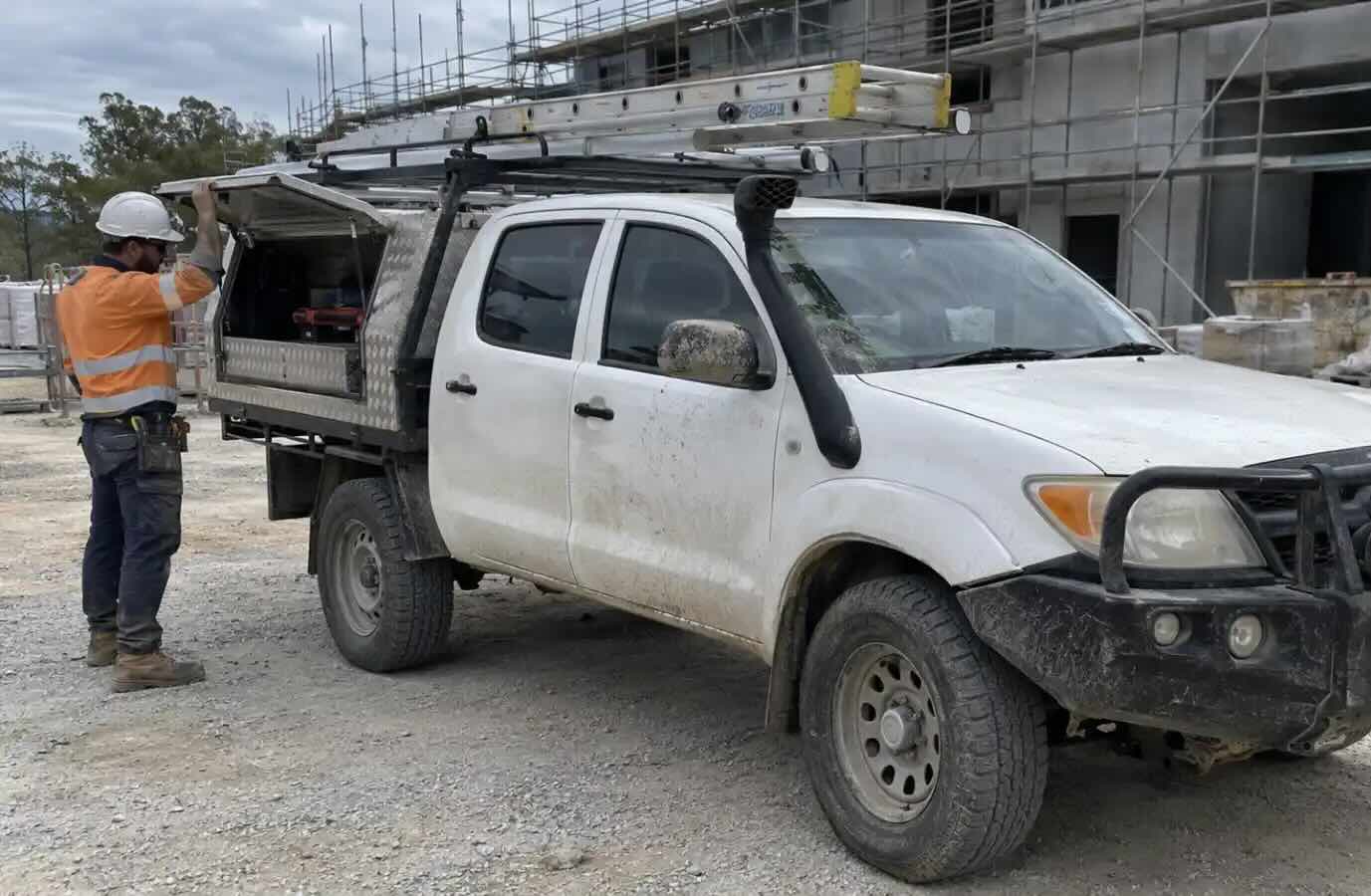
Common business uses include driving between job sites, carrying employees or tools, transporting materials, making deliveries and attending client premises. Some businesses use cars or four-wheel drives for site visits. Others operate service vans, tippers, prime movers or specialist trucks.
A business does not necessarily need a dedicated commercial motor product simply because the driver has an ABN. Some motor insurers accept certain business activities under a policy also used for private travel. Other uses require a different policy or specific endorsement. The insurer needs accurate details of the work performed with the vehicle.
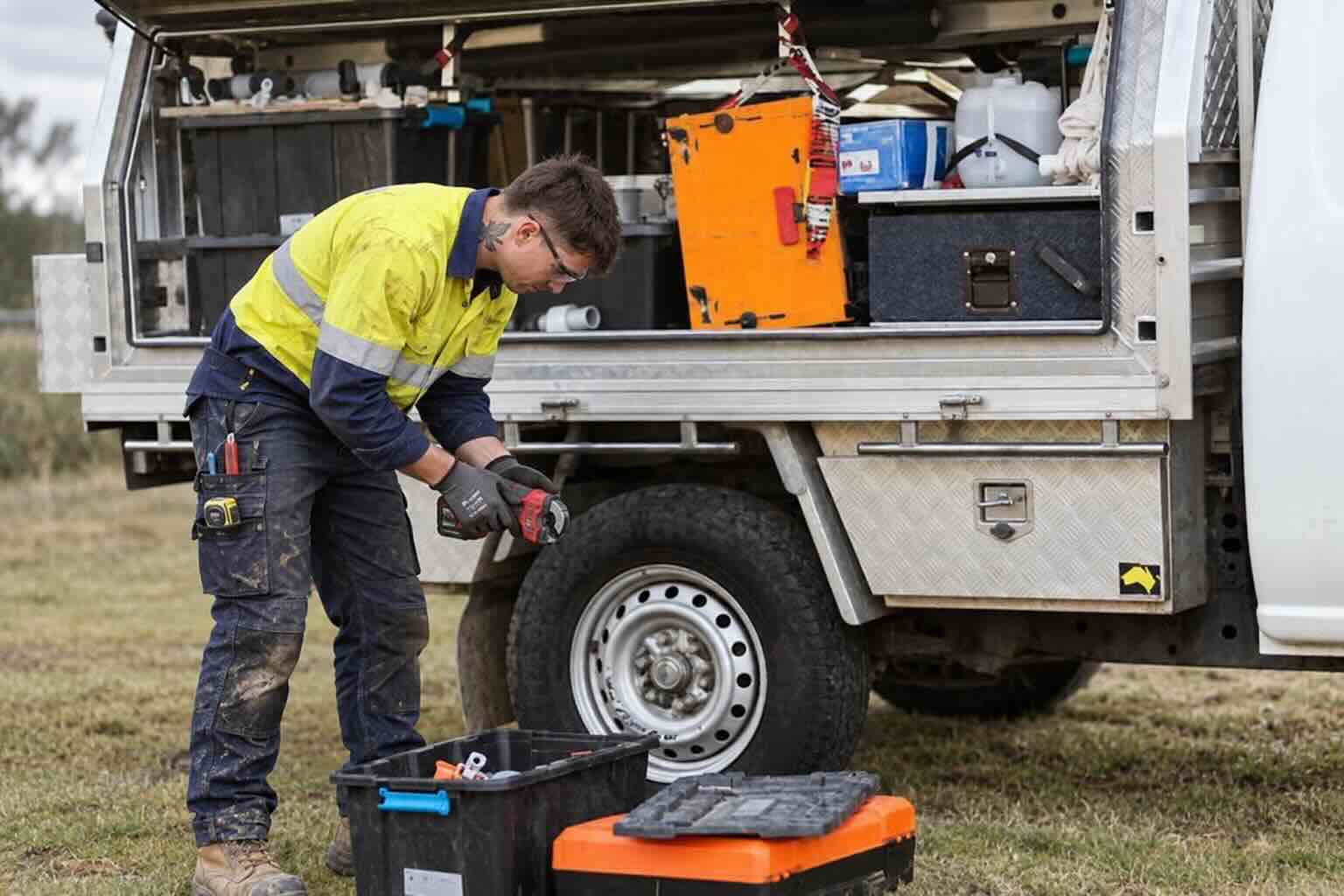
Example: An electrician who drives a ute to building sites with work tools has a different usage pattern from someone who uses the same model ute for private travel only. The business use, driver arrangements and any fitted shelving or toolboxes should be disclosed when arranging or reviewing the insurance.
What Does Commercial Vehicle Insurance Cover?
Commercial Vehicle Insurance may respond to specified damage to the insured vehicle and certain liabilities arising from its use. The events covered depend on whether the policy is comprehensive, third party property damage, or third party fire and theft, together with the insurer’s terms and any optional benefits.
Accidental Damage to the Work Vehicle
Comprehensive policies may cover accidental collision, impact or rollover damage to the insured vehicle. This can include an incident involving another vehicle or a fixed object, where the circumstances are covered and the driver and vehicle use meet policy conditions.
For example, a tradesperson may reverse a service ute into a bollard at a supplier’s yard. A comprehensive policy may respond to the vehicle repairs, after any applicable excess. Third party property damage cover would not ordinarily pay for that damage to the insured ute.
Damage to Someone Else’s Vehicle or Property
Commercial motor policies with third-party property liability cover may respond where the business or an insured driver is legally liable for certain damage caused through use of the insured vehicle. This might involve another car, a fence or other property.
The liability limit, permitted drivers, vehicle use and other policy conditions still apply. Claims for personal injury arising from registered vehicle accidents involve the relevant CTP or motor injury scheme rather than being treated as ordinary third-party property damage claims.
Theft, Fire and Insured Weather Events
Comprehensive policies commonly offer cover for theft, fire and specified weather damage to the insured vehicle. Third party fire and theft policies may provide more limited protection for the insured vehicle while also covering specified third-party property liabilities.
Weather-related cover, flood definitions, storage restrictions and conditions differ between products. Theft of items inside the vehicle is a separate question from theft of the vehicle itself.
Optional Benefits and Vehicle Equipment
Depending on the insurer, the vehicle and the policy selected, additional or limited benefits may be available for:
- Towing and recovery after an insured incident.
- Hire vehicle costs during an eligible repair period or following insured theft.
- Signwriting, roof racks, canopies, trays, shelving and other declared modifications.
- Trailers and accessories, subject to the type of loss and relevant limits.
- Windscreen or glass damage and selected roadside assistance benefits.
If the vehicle is financed or leased, check that the relevant ownership and financier details are recorded correctly. Noting a financier’s interest does not, by itself, provide cover for any shortfall between an insurance settlement and the outstanding finance balance.
Not every benefit is standard. A hire vehicle benefit, for instance, may only operate after particular insured events, for a maximum number of days or up to a daily cost limit. Roadside breakdown assistance may also be separate from insured accident towing.
What Levels of Commercial Motor Insurance Are Available?
Australian commercial motor insurers commonly offer three broad levels of cover: third party property damage, third party fire and theft, and comprehensive. Their main difference is how much cover, if any, they provide for loss of or damage to your own vehicle.
This is a general comparison, not a statement of cover under a specific product. Some policies provide limited additional benefits. All cover is subject to the policy terms, conditions, limits, exclusions and insurer acceptance.
Third Party Property Damage
This level may suit consideration where the main concern is legal liability for damage to other people’s property. It generally does not cover repairing or replacing your own vehicle after a collision you cause. Some policies provide limited extra benefits in specific circumstances, so the wording should be checked.
Third Party Fire and Theft
This level adds specified fire and theft protection for the insured vehicle to third-party property damage cover. It ordinarily does not cover your own vehicle’s accidental collision damage when you are at fault.
Comprehensive
Comprehensive Commercial Vehicle Insurance may cover a wider range of accidental loss or damage to the insured vehicle, including covered collisions, alongside certain third-party property damage claims. Comprehensive does not mean that every type of vehicle, driver, activity, item carried or incident is insured.
Is Commercial Vehicle Insurance Compulsory in Australia?
Commercial motor property insurance is generally optional under Australia’s vehicle registration rules, but Compulsory Third Party (CTP) motor injury insurance is required for road-registered vehicles. Commercial contracts, finance agreements, leases or site-access conditions may also require specified motor insurance, even where that type of property cover is not compulsory under registration law.
Compulsory motor injury schemes provide specified compensation and/or liability cover for injuries or death arising from motor vehicle accidents. Scheme names, benefits and eligibility differ between states and territories. Compulsory motor injury insurance does not cover repairs to your ute, another person’s car or damaged property. In Western Australia, motor injury insurance forms part of vehicle licensing charges. In New South Wales, vehicle owners generally arrange CTP separately as a Green Slip. The exact schemes and arrangements depend on the state or territory.
As at October 2026, the Australian Government’s Moneysmart guide to car insurance explains the distinction between CTP, third party property damage and comprehensive insurance. Western Australian businesses can also check the Insurance Commission of Western Australia’s motor injury insurance information.
CTP and commercial motor cover serve different purposes
CTP motor injury insurance deals with certain injury-related liabilities under the relevant state or territory scheme. Commercial Vehicle Insurance may respond to insured damage to vehicles and third-party property. Holding one does not replace the other, and neither automatically covers tools, goods in transit or contractual obligations.
A principal contractor may specify a minimum third-party property damage limit or require evidence of cover before a vehicle enters a site. The business should check the particular contract or site rules rather than assuming that a registration receipt or Certificate of Currency meets every requirement.
What Types of Commercial Vehicles Can Be Insured?
Commercial Vehicle Insurance may be available for a range of eligible vehicles, from a sole trader’s service ute to vehicles used by a larger transport or construction business. The insurer determines eligibility based on vehicle type, registration, use, drivers and operating conditions.
- Utes and vans: Commonly used by electricians, plumbers, maintenance contractors and other mobile trade businesses.
- Cars and four-wheel drives: Used for inspections, site visits, client meetings, supervision and other declared business purposes.
- Light and heavy trucks: Including service trucks, tippers, rigid trucks, prime movers and other eligible commercial vehicles.
- Trailers and specialised vehicles: May be insurable when individually declared or included under an eligible policy arrangement.
Additional assessment may apply where a vehicle carries dangerous goods, operates as a courier vehicle, transports passengers for payment, has significant modifications or is used at remote industrial or mining sites. These uses should not be assumed to fall within standard terms.
Registered Vehicles, Unregistered Plant and Off-Road Use
A truck driven on public roads can have different insurance considerations from a loader or other machine operating only on a work site. Contractor Plant and Machinery Insurance may be relevant for owned or hired plant, attachments and specialist machinery that do not fit ordinary commercial motor arrangements.
For a registered vehicle operating on private roads, mine sites, quarries or construction projects, the business should confirm that the insurer has accepted the locations and activities involved. A road registration or commercial motor policy does not, by itself, confirm that every off-road use is insured.
What Does Commercial Vehicle Insurance Usually Exclude?
Commercial Vehicle Insurance does not cover every incident involving a work vehicle. Common limitations concern the level of cover purchased, the declared vehicle use, drivers, property being carried and events that the insurer excludes.
- Your own vehicle under third-party-only cover: Collision repairs to the insured vehicle are generally excluded except for any limited benefits specifically stated in the policy.
- Tools, stock and goods: A motor policy may exclude the contents of a vehicle or provide only a limited benefit for specified items and events.
- Wear, breakdown and maintenance: Mechanical or electrical failure, deterioration, rust, tyre wear and servicing costs are often excluded unless a separate benefit applies.
- Driver-Related restrictions: Unlicensed driving, driving while affected by alcohol or drugs and some undeclared or restricted driver arrangements may affect cover.
- Undeclared activities: Changes to vehicle use, such as paid deliveries, towing particular equipment or operating at restricted sites, can affect the insurer’s assessment.
- Modifications and attached equipment: Aftermarket accessories, custom bodies, tools mounted to a vehicle and lifting equipment may require specific declaration and insurer acceptance.
- Business downtime: Lost income from an unusable vehicle is not generally part of standard motor damage cover. Hire vehicle or loss-of-use benefits, where available, have their own conditions.
- Specialised operations: Damage to goods being loaded, lifted or carried may fall outside standard commercial motor protection.
Most policies also apply an excess to eligible claims, and some use additional excesses for particular drivers or incidents. The policy schedule, Product Disclosure Statement where applicable, and any endorsements need to be read together. Exclusions and exceptions differ between insurers.
Does Commercial Vehicle Insurance Cover Tools and Goods in Transit?
Commercial Vehicle Insurance does not automatically insure the tools, stock or materials carried inside a work vehicle. Some policies offer limited cover for selected contents, but a business may need a separate section or policy for portable tools and goods being transported.
Tools Stored in a Ute or Van
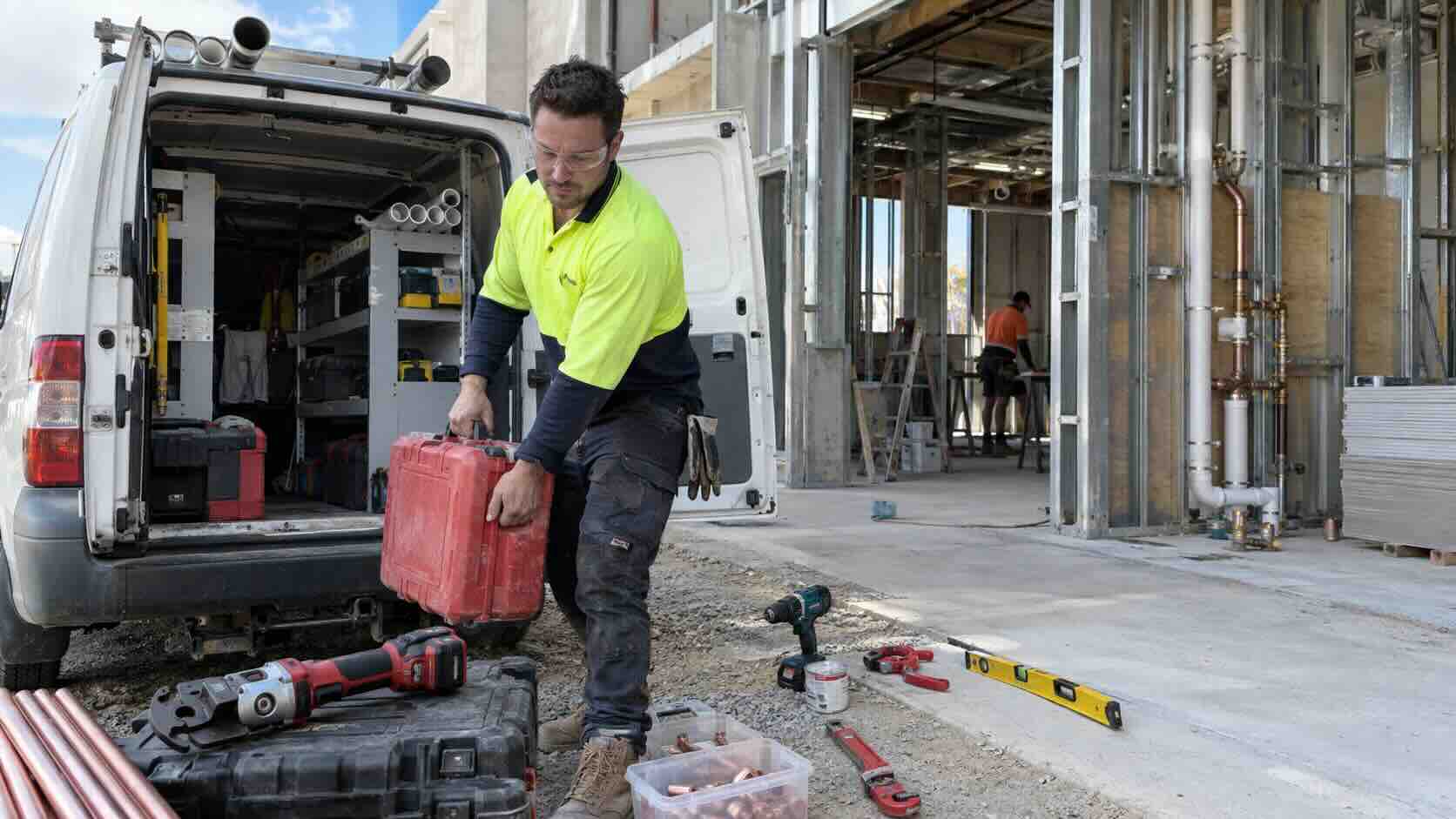
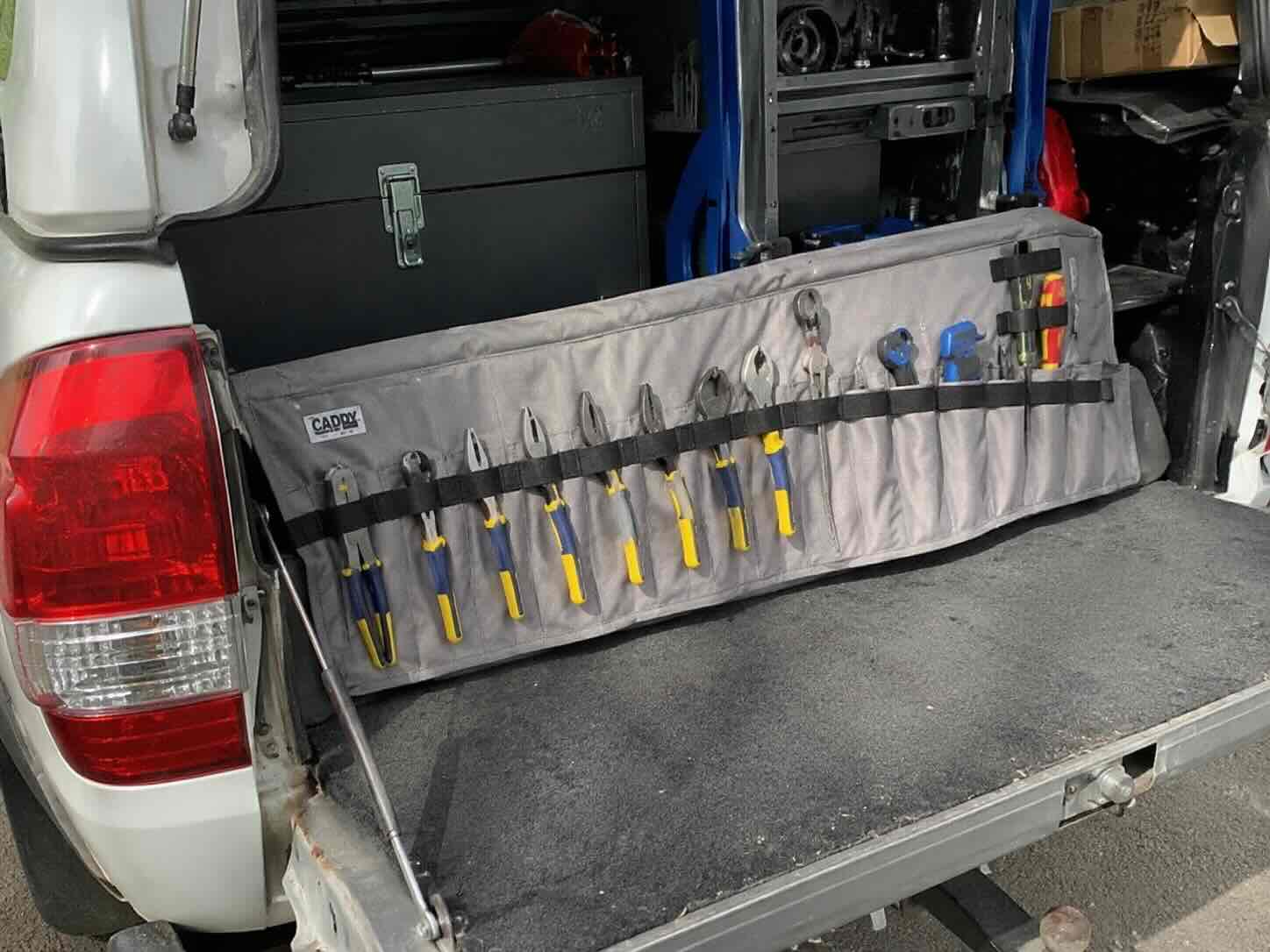
For example, a locksmith may keep specialised equipment in a service van, while a plumber may carry power tools and diagnostic equipment between jobs. Property and Tools Insurance may cover specified tools or portable equipment against insured theft or damage, subject to storage, security, item limits and other conditions.
Even where both the van and its contents are insured, they may be covered under different policy sections. Overnight theft from an unattended vehicle, theft without visible forced entry and high-value items can be subject to specific restrictions.
Stock, Materials and Equipment Being Delivered
A business transporting building materials, equipment or customer goods may need to consider Marine Transit Insurance or another suitable goods-in-transit arrangement. These products may cover eligible goods during specified transit activities, including some loading or unloading operations where included.
Vehicle damage cover is not a substitute for cargo or transit cover. The owner of the goods, who is responsible under the contract, the method of transport and the loading arrangements can all affect what insurance is relevant.
Truck-Mounted Cranes and Goods on Hook Insurance
For trucks fitted with a truck-mounted crane or similar lifting equipment, Goods on Hook Insurance, also called Hook Liability, may be available as an extension under an eligible Heavy Motor, Commercial Vehicle or other appropriate policy. Where accepted, it may respond to certain legal liability for third-party property being lifted or suspended.
Damage to the vehicle, damage to the lifting equipment and liability for the property being lifted are separate matters. A contractor should check the lifting activities, lifting capacity, insured property, limits and exclusions with the insurer.
How Is Commercial Vehicle Insurance Different from Other Business Insurance?
Commercial Vehicle Insurance focuses on insured motor vehicles and certain vehicle-related property damage liabilities. Other business policies may address different activities or assets, even where those activities involve the same ute, truck or work site.
- Public Liability Insurance: may respond to specified third-party injury or property damage claims arising from declared business activities. It is not a general replacement for motor vehicle liability or vehicle damage insurance.
- Property and Tools Insurance: May cover declared portable equipment and tools, including certain items kept in vehicles, subject to relevant theft, storage and security conditions.
- Contractor Plant and Machinery Insurance: May cover eligible machinery and specialist plant, including certain attachments or on-site operations where declared and accepted.
- Marine Transit Insurance: May cover specified goods and materials during insured transport rather than damage to the transporting vehicle itself.
A construction business may hold more than one of these policies because the insured property, activities and liabilities are different. The policies should be checked for overlaps, gaps and any clauses that determine how multiple policies respond to the same incident.
How Are Commercial Vehicles Valued if They Are Stolen or Written Off?
When an insured vehicle is stolen or declared a total loss, the settlement basis may be market value or agreed value, depending on the policy. This affects how the insurer calculates an eligible total-loss settlement.
Market Value
Market value generally refers to the vehicle’s value in the relevant market immediately before the insured loss, assessed in line with the policy definition. The purchase price or amount owed on finance is not necessarily its market value. Modifications and specialised bodies may affect valuation and should be declared.
Agreed Value
Agreed value is an amount accepted by the insurer and shown in the policy schedule for the relevant period. The agreed amount may change at renewal, and not every insurer or vehicle type offers this settlement basis.
Sum Insured and Settlement Limits
A sum insured shown on the policy schedule is not necessarily an agreed value. Some commercial motor policies limit settlement to the lesser of the vehicle’s market value and its listed sum insured, subject to applicable benefits and conditions. Certain policies also apply underinsurance provisions that can reduce a partial-loss payment. Check how the vehicle, fitted equipment and GST are treated when setting its insured value.
A business with a financed ute or a custom-built service truck should also check how any claim payment interacts with its finance obligations. The insured value may differ from the outstanding loan or lease balance, and an excess or other adjustments may apply.
How Much Does Commercial Vehicle Insurance Cost?
The cost of Commercial Vehicle Insurance depends on the insurer’s assessment of the vehicle, the business use and the cover requested. There is no single standard premium for every Australian work ute, van or truck. An excess is the amount the insured business may need to pay towards an eligible claim.
Factors that may affect a quote
Vehicle type and value
A standard work ute, heavy truck and modified service vehicle can attract different assessments.
Business activities
Deliveries, towing, site work, travel distances and specialist uses may affect terms.
Drivers
Driver age, experience, history and who is permitted to use the vehicle may be considered.
Location and storage
Operating regions, overnight parking, garaging and remote work may influence a quote.
Claims history
Past insured incidents and the claims experience of a vehicle or fleet may be relevant.
Cover and excess
The cover level, limits, optional benefits and amount payable towards an eligible claim affect pricing.
Insurers may offer different premiums and conditions for the same vehicle. A lower premium can also come with different excesses, limits or exclusions. Where fleet arrangements are available, combining vehicles does not necessarily produce a discount or the same terms for every vehicle.
Can Sole Traders and Larger Contractors Insure Vehicles Differently?
Commercial motor cover may be arranged for a single eligible work vehicle or for multiple vehicles under an appropriate multi-vehicle or fleet arrangement. The available structure depends on the insurer, the business and the vehicles involved.
Sole Traders and Small Trade Crews
A sole trader may insure a declared work ute or van used for travelling to jobs and carrying equipment. A small contracting business may have vehicles driven by employees or working directors. It should check how the policy treats business and personal use, listed drivers, younger drivers, modifications and any trailers.
Established Contractors and Fleets
A business operating several utes, service trucks or heavy vehicles may be able to place eligible vehicles under a multi-vehicle or fleet policy. This can make it easier to keep a vehicle schedule and manage additions, removals or changing driver arrangements.
Fleet eligibility thresholds vary between insurers. A fleet policy does not automatically accept every vehicle type, driver, cargo, contract or work site. Businesses also need procedures for telling their broker or insurer when they acquire, sell or alter vehicles.
When Should a Business Review Its Commercial Vehicle Insurance?
A business should review its Commercial Vehicle Insurance when vehicle details or operating activities change, rather than relying only on the annual renewal date. A change may alter the risks the insurer has accepted or the cover available under the policy.
Review your vehicle cover when you:
Tell your broker or insurer about relevant changes so they can assess whether the existing policy needs updating.
Buy, sell, lease or replace a work vehicle.
Fit a canopy, tray, toolbox, crane or other modification.
Add employees or change who drives the vehicles.
Start deliveries, paid transport or heavier towing.
Begin work at remote, construction or mining sites.
Take on a contract with new motor insurance conditions.
A change does not automatically mean extra insurance is needed. Whether the policy can be altered, and on what terms, depends on the insurer’s acceptance and the applicable policy wording.
If a vehicle’s use changes during the policy period, the business should raise it with its broker or insurer before relying on the existing arrangement for the new activity. The same applies to site-access insurance schedules and any required endorsement for a new contract.
How Might Commercial Vehicle Insurance Apply to Trade Businesses?
The following examples show how different policies and business activities can affect the insurance questions a contractor needs to ask. They are illustrative scenarios, not actual claims or statements that a particular loss will be insured.
Example 1: An Electrician Damages a Work Ute Between Job Sites
An electrician driving an insured ute between commercial jobs collides with another vehicle. The electrician’s ute and the other vehicle both need repairs.
How We May Be Able to Help
All Trades Cover may be able to help the business check whether the vehicle’s declared use and driver arrangements fit its existing motor policy. A comprehensive policy may respond to insured repairs to the work ute and covered third-party property damage liability. A third-party-only policy would generally leave the electrician’s own collision repairs outside cover.
Scenario disclaimer: This example is general only and does not mean a claim will be covered. Cover is subject to the relevant policy terms, conditions, limits, exclusions and insurer acceptance.
Example 2: A Plumber’s Tools Are Stolen from a Locked Van
A plumbing contractor parks a service van overnight. Someone forces entry, damaging a door lock and stealing portable trade tools from inside.
How We May Be Able to Help
We may be able to help distinguish between insured damage to the van and the loss of the tools. The motor policy may respond to damage to the vehicle, depending on the cover selected. The tools may need separate Property and Tools Insurance, with applicable theft, storage and security conditions.
Scenario disclaimer: This example is general only and does not mean a claim will be covered. Cover is subject to the relevant policy terms, conditions, limits, exclusions and insurer acceptance.
Example 3: A Civil Contractor Uses a Crane-Equipped Truck on Site
A civil contractor uses a registered truck fitted with a truck-mounted crane to unload a customer’s equipment at a remote work site. During the lift, the customer’s equipment is accidentally damaged.
How We May Be Able to Help
All Trades Cover may be able to review whether the vehicle’s site use and lifting operations were declared and accepted. Goods on Hook cover may be relevant to damage to the customer’s equipment during the lift, depending on the policy. Damage to the truck, crane or other nearby property involves separate insurance considerations.
Scenario disclaimer: This example is general only and does not mean a claim will be covered. Cover is subject to the relevant policy terms, conditions, limits, exclusions and insurer acceptance.
What Should You Check Before Taking Out Commercial Vehicle Insurance?
Before arranging Commercial Vehicle Insurance, a business should make sure that its vehicle information and intended use are accurate. The insurer may ask for more detail for heavy vehicles, unusual modifications, higher-risk work or fleets.
- Vehicle details: Registration, make, model, year, value and ownership or finance arrangements.
- Vehicle use: Trades performed, deliveries, transport activities, load types, towing and business versus private travel.
- Drivers: Who uses the vehicle, their licence details and any age or experience conditions.
- Work locations: Typical operating areas, interstate travel, unsealed roads, construction projects or mining sites.
- Equipment and modifications: Trays, canopies, signwriting, racks, lifts, custom bodies and accessories.
- Other property: Tools, trailers, stock or goods in transit that may need separate insurance.
- Contract and finance terms: Any required insurance limits, interested-party notation or site conditions.
- Policy comparison: Insured events, exclusions, excesses, vehicle value, liability limit, hire vehicle benefits and claims procedures.
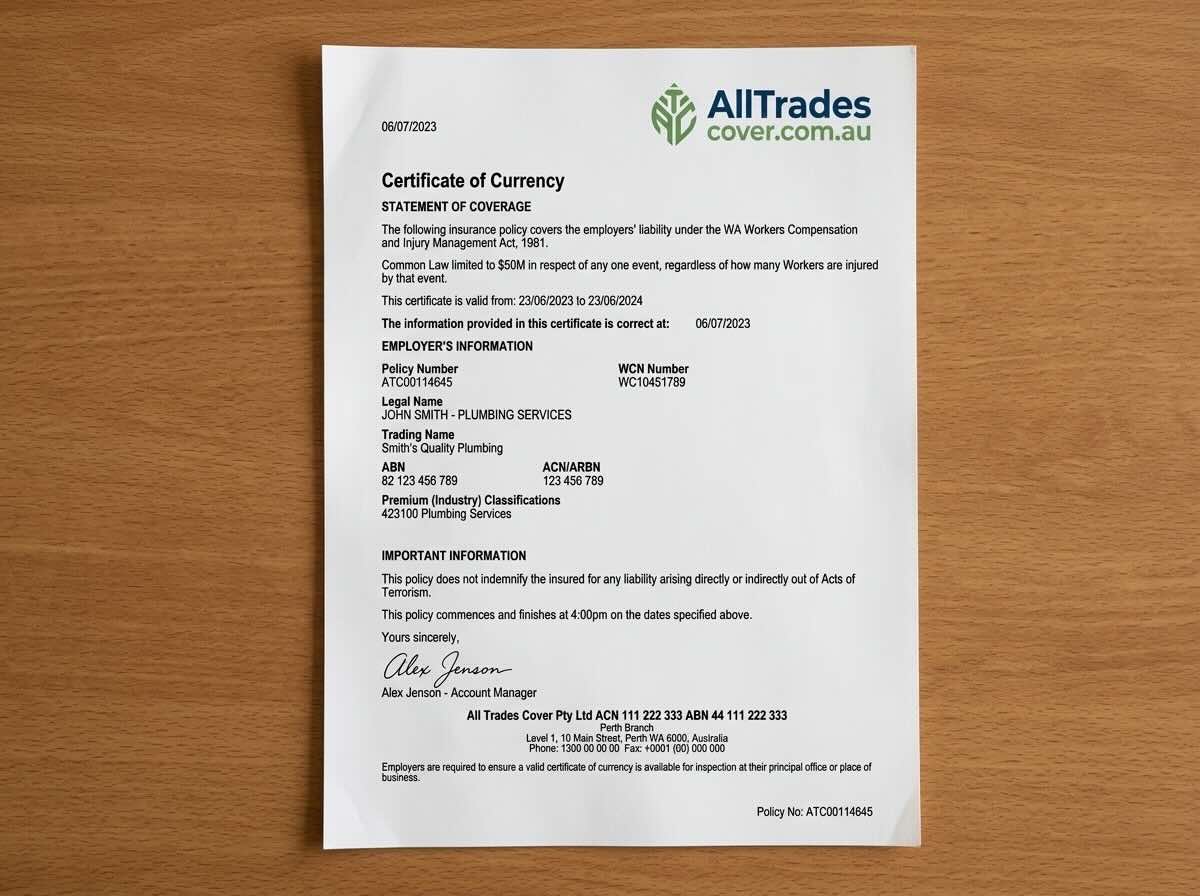
The business should review the policy schedule, any endorsements and the Product Disclosure Statement where provided. A Certificate of Currency can show certain policy details but does not replace the full wording or establish that every contractual requirement has been met.
What Happens if a Business Needs to Claim on Its Vehicle Insurance?
After a vehicle incident, the insured business should notify its insurer or broker under the relevant policy procedures. The insurer assesses whether the circumstances, driver, activity and loss fall within the agreed cover.
- Attend to safety and required reports. Check for injuries, contact emergency services where needed, and comply with applicable road accident reporting obligations.
- Record the incident. Collect relevant photographs, time and location details, driver and witness information, and other available evidence.
- Notify the insurer or broker. Follow the policy’s notification requirements, use the relevant claim forms where directed, and ask about towing, repairs or recovery arrangements before authorising costs where the policy requires approval.
- Provide supporting information. The insurer may request a claim form, repair assessment, police report, vehicle records or other evidence.
- Review the assessment. The insurer decides whether the policy responds, what excess or limits apply and how an accepted claim is settled. All Trades Cover can support clients through the claims process and with insurer correspondence.
Avoid admitting liability, promising payment or agreeing to a settlement without insurer approval. Take reasonable steps to prevent further loss where safe, and check approval requirements before arranging non-emergency repairs or other costs.
An insurer may arrange an assessor, request more information or explain why a particular cost falls outside the policy. Business owners should not assume that vehicle repairs, hire costs or replacement equipment will be reimbursed before the insurer has assessed the claim.
How May All Trades Cover Assist with Commercial Vehicle Insurance?
All Trades Cover is a specialist insurance brokerage and a trading name of Elliott Australia Group Pty Ltd (AFSL 418512). We work with Australian tradies, contractors, construction businesses, mining operators and other eligible commercial clients.
We may be able to help review vehicle schedules, declared uses, driver arrangements and available commercial motor options. For businesses operating multiple vehicles or working at construction and mining sites, we can also discuss relevant policy wording and insurer requirements. All Trades Cover can support clients through the claims process, although the insurer determines claim outcomes.
For more information about available cover, visit our Commercial Vehicle Insurance service page or request an insurance quote.
FAQs
Is Commercial Vehicle Insurance the Same as Commercial Motor Insurance?
Commercial Vehicle Insurance and commercial motor insurance are commonly used to describe insurance for business-use vehicles. The policy name does not establish what is covered. The vehicle schedule, level of cover and insurer’s wording determine the protection available.
Can I Use My Personal Car Insurance for Work?
Some personal motor policies allow certain business use, but other policies restrict or exclude it. The insurer should be told how the vehicle is used, including site visits, carrying tools, deliveries and other work activities, so it can assess the proposed cover.
Can a Sole Trader Get Commercial Vehicle Insurance?
A sole trader may be able to arrange Commercial Vehicle Insurance for an eligible vehicle used in their business. Insurer acceptance depends on the vehicle, activity, driver information and selected policy, not simply whether the business has an ABN.
Does Every Registered Work Vehicle Need CTP?
Road-registered vehicles in Australia generally require CTP motor injury insurance under the applicable state or territory system. CTP deals with certain injury-related liabilities and does not cover damage to vehicles or property. Registration and insurance requirements can differ for some specialist and unregistered vehicles.
Does Commercial Vehicle Insurance Cover Employees Driving a Company Ute?
It may cover eligible drivers, including employees, when their use is permitted under the policy. Driver age, licensing, nominated-driver conditions and additional excesses may apply. A business should not assume that every employee or subcontractor is an accepted driver.
Are Trailers Automatically Covered When Attached to a Work Vehicle?
Trailer cover depends on the policy. Some motor policies provide limited liability or damage benefits for an attached trailer, while theft or damage to a separately owned or detached trailer may require its own cover or listing. The towing setup and trailer details should be checked.
Does Commercial Vehicle Insurance Cover Tools Left in a Ute Overnight?
Tools are not automatically insured simply because the ute has comprehensive motor cover. Some motor policies have limited contents benefits, while separate Property and Tools Insurance may respond to eligible theft or damage. Overnight security conditions and item limits are common considerations.
Will Insurance Pay for a Hire Ute While Mine Is Being Repaired?
A hire vehicle may be available where the policy includes the relevant benefit and the circumstances meet its conditions. Eligibility can depend on the cause of damage, hire duration, daily limit and vehicle category. It should not be assumed that an equivalent replacement ute will be supplied.
Can I Insure Several Work Vehicles Under One Fleet Policy?
Eligible businesses may be able to insure multiple vehicles through a multi-vehicle or fleet arrangement. Fleet thresholds, vehicle types, drivers and the process for adding or removing vehicles differ between insurers. A fleet policy does not automatically provide identical cover for every vehicle.
What Is Fleet Insurance?
Fleet Insurance allows a business to insure multiple eligible vehicles under one motor insurance arrangement. Depending on the insurer, a fleet may include cars, utes, vans, trucks and trailers, with cover selected for the vehicles listed.
It can simplify administration by bringing vehicle schedules, renewals and policy management together. Minimum vehicle numbers vary between insurers, and smaller businesses may qualify for a multi-vehicle arrangement instead. A fleet policy does not automatically provide identical cover for every vehicle, driver or activity.
Are Commercial Vehicles Covered on Mine Sites or Private Roads?
Cover may be available for declared off-road, private-road or mine-site use where accepted by the insurer. Restrictions can apply to the vehicle type, location and activities. Business owners should confirm these details before relying on an ordinary road-use motor policy at a new site.
Does Commercial Vehicle Insurance Cover Underground Mining Use?
Underground mining use should not be assumed to be covered. Some commercial motor and fleet policies specifically exclude vehicles used or driven in underground mines or mining shafts, including certain underground drilling or tunnelling activities. Acceptance for surface mine-site work does not automatically include underground use.
Tell your broker or insurer before taking a vehicle underground, including occasional access for servicing, inspections or transporting workers and equipment. Any available cover may require specialist assessment, an endorsement or a different policy arrangement.
Confirm in writing whether underground use is included and which damage, liability and recovery costs are covered. Cover remains subject to policy terms, conditions, limits, exclusions and insurer acceptance.
Does Commercial Vehicle Insurance Cover Goods I Deliver to Customers?
Damage to the delivery vehicle and damage to the goods being carried are different insurance exposures. Some policies include limited goods-in-transit benefits, but Marine Transit Insurance or another suitable cargo arrangement may be needed for eligible goods and loading activities.
Will a Total-Loss Payment Clear My Vehicle Finance?
Not necessarily. A motor insurer generally settles an accepted total-loss claim according to the policy’s value basis, limits and adjustments. The amount payable may differ from the outstanding finance balance. Finance interests and any available extensions should be checked.
Does Comprehensive Commercial Vehicle Insurance Cover Every Accident?
No. Comprehensive cover remains subject to insured events, permitted use and driver rules, exclusions, excesses and policy limits. The insurer assesses each claim using the policy wording and the circumstances of the incident.
General information disclaimer: This information is general only and does not take into account your objectives, financial situation or needs. Cover is subject to policy terms, conditions, limits, exclusions and insurer acceptance. Requirements under contracts, finance agreements, licences and site rules should be checked separately.