



[Updated September 2026]
There is no single insurance package that applies to every sole trader. Public Liability Insurance, Personal Accident and Illness Insurance, Tools and Equipment Insurance and Commercial Vehicle Insurance are commonly considered by self-employed tradies, while other covers may become relevant depending on your trade, equipment, contracts and the work you perform.
An electrician who provides design advice has different insurance considerations from an arborist operating a chipper, a plumber completing a commercial fit-out or an earthmoving contractor running an excavator. The key is to match the insurance being considered to the activities, assets and contractual responsibilities of the business.
This information is general only and does not take into account your objectives, financial situation or needs. Cover is subject to policy terms, conditions, limits, exclusions and insurer acceptance.
Quick Summary
- There is no standard sole trader insurance package that suits every self-employed tradie. The cover worth considering depends on the work you perform, the equipment you use, your contracts and where you work.
- Public Liability Insurance Is commonly considered by sole traders because it may respond to certain third-party injury or property damage claims connected with declared business activities.
- Personal Accident and Illness Insurance May be relevant because Workers Compensation Insurance generally does not cover a sole trader personally.
- Tools and Equipment Insurance, Commercial Vehicle Insurance and Contractor Plant and Machinery Insurance May be relevant depending on the assets used to perform the work.
- Professional Indemnity Insurance May become relevant when a tradie also provides professional advice, designs, specifications, reports, certification or consulting services.
- Contract Works Insurance May be relevant where the sole trader has responsibility for insured works or materials during a construction project.
- Contracts, licences and site-access requirements can specify insurance types, limits or endorsements. These requirements should be checked against the current contract, relevant authority requirements and the actual policy wording.
Why Does Sole Trader Insurance Depend on the Trade?
The work you actually perform matters, as well as your sole trader business structure. Insurers can consider your declared activities, equipment, work locations, turnover, subcontractor use and other factors when assessing cover.
Two sole traders can therefore have very different insurance considerations even when both work in construction.
These examples are general only. A trade name does not determine cover by itself. Insurance depends on the activities declared to and accepted by the insurer and the applicable policy terms, conditions, limits and exclusions.
What Insurance Does a Sole Trader Need to Consider?
A sole trader may consider several forms of business insurance. You will not necessarily need every type listed below. Some covers deal with liability to other people, some relate to your own tools or vehicles, and others address particular contracts, professional services or business operations.
Public Liability Insurance
Public Liability Insurance is one of the main covers commonly considered by sole traders and trade contractors. It may respond to certain claims involving third-party injury or property damage connected with the business activities declared to and accepted by the insurer.
For example, a plumber could accidentally damage a customer’s property while completing work, while an electrician could be alleged to have damaged another contractor’s property on a work site. Whether a policy responds depends on the circumstances, declared activities and policy wording.
Some clients, builders, principal contractors or site operators may also require a specified Public Liability limit or particular policy wording before a contractor can begin work. Holding a policy should not be assumed to satisfy every contract, licence or site-access condition.
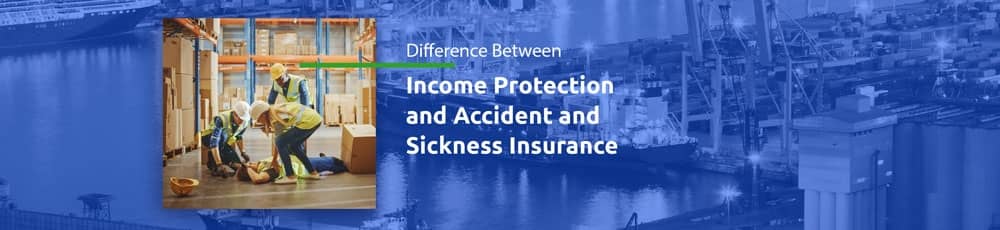
Personal Accident and Illness Insurance
Personal Accident and Illness Insurance may be particularly relevant to self-employed tradies because a sole trader generally is not personally covered by Workers Compensation Insurance.
The policy may provide weekly benefits if you cannot work because of an insured injury or illness. Depending on the policy, other benefits may also be available.
The work involved can affect the exposure. A boilermaker may perform hot work, heavy lifting and work in confined spaces. An arborist may climb, operate chainsaws or work around heavy equipment. A carpenter, plumber or electrician can also spend much of the working day performing physical tasks across changing work sites.
Cover is subject to waiting periods, benefit periods, policy limits, exclusions and insurer acceptance.
Workers Compensation Insurance and Personal Accident and Illness Insurance are different
Workers Compensation Insurance Generally relates to workers employed by the business and is governed by state or territory legislation. Personal Accident and Illness Insurance May provide benefits to an insured sole trader who cannot work because of an insured injury or illness. One should not be treated as an automatic substitute for the other.
Australian Government guidance on business.gov.au states that Workers Compensation Insurance does not cover a sole trader personally and notes that sole traders can consider their own accident and sickness cover. Workers compensation laws and worker classifications vary between states and territories, so businesses should confirm current obligations with the relevant workers compensation authority.
Some sole traders working as contractors may still be treated as workers under the hiring business’s Workers Compensation Insurance, depending on the working arrangement and the relevant state or territory legislation.
Source: Australian Government business.gov.au, Types of business insurance, Accessed September 2026.
Tools and Equipment Insurance
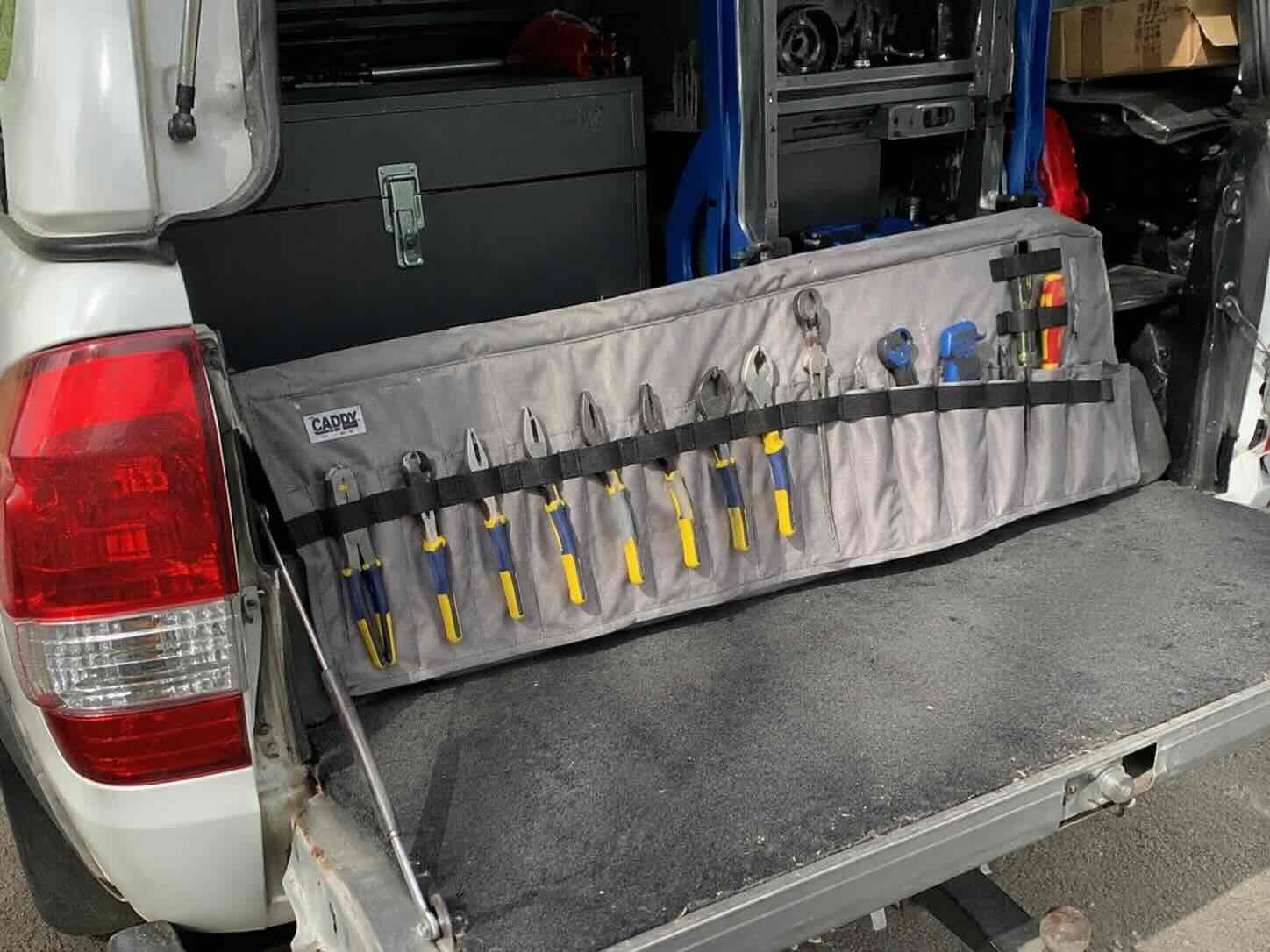
Tools and Equipment Insurance, which insurers may also refer to as General Property Insurance, can help cover insured tools and portable equipment used for your trade.
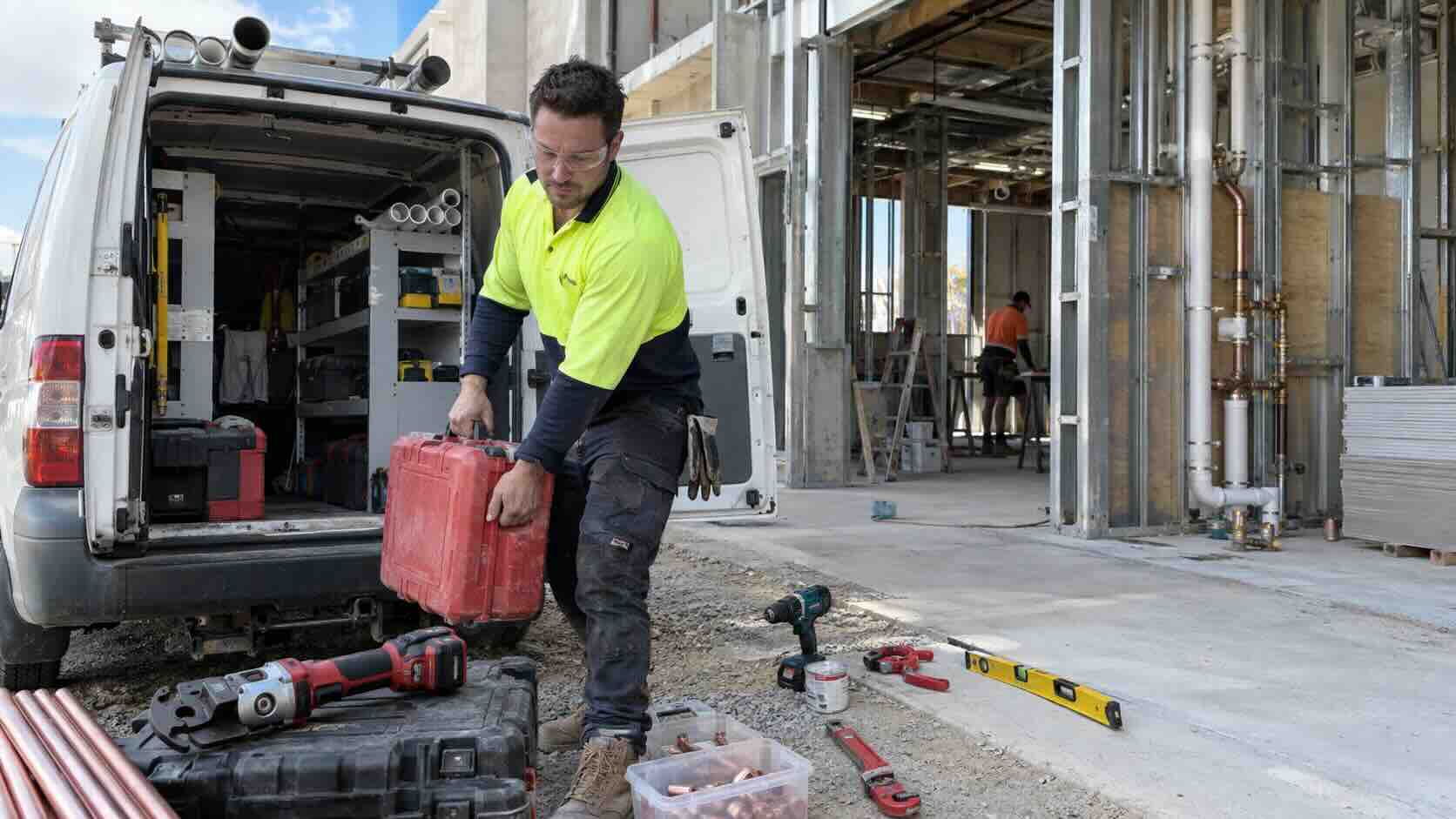
The items that matter will differ between trades. An electrician might carry testers, diagnostic equipment, cable tools and portable electrical equipment. A plumber may carry power tools, testing equipment and specialised plumbing gear. Other sole traders may rely on saws, welders, compressors, laser levels or portable site equipment.
Cover for theft from a vehicle, items left unattended, overnight storage or theft without forcible entry can be limited or excluded. Storage requirements and security conditions should be checked against the policy wording.
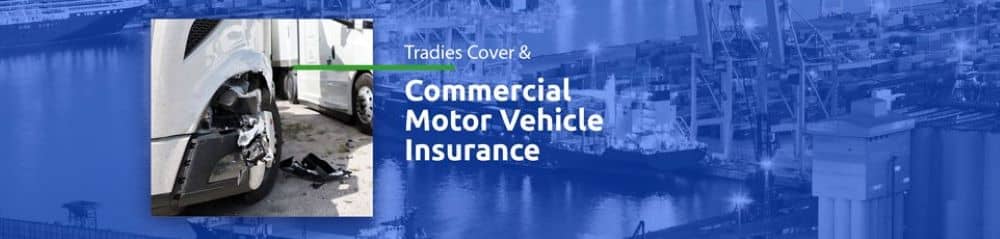
Commercial Vehicle Insurance
Commercial Vehicle Insurance may cover eligible vehicles used by the business, such as a work ute, van, truck or trailer.
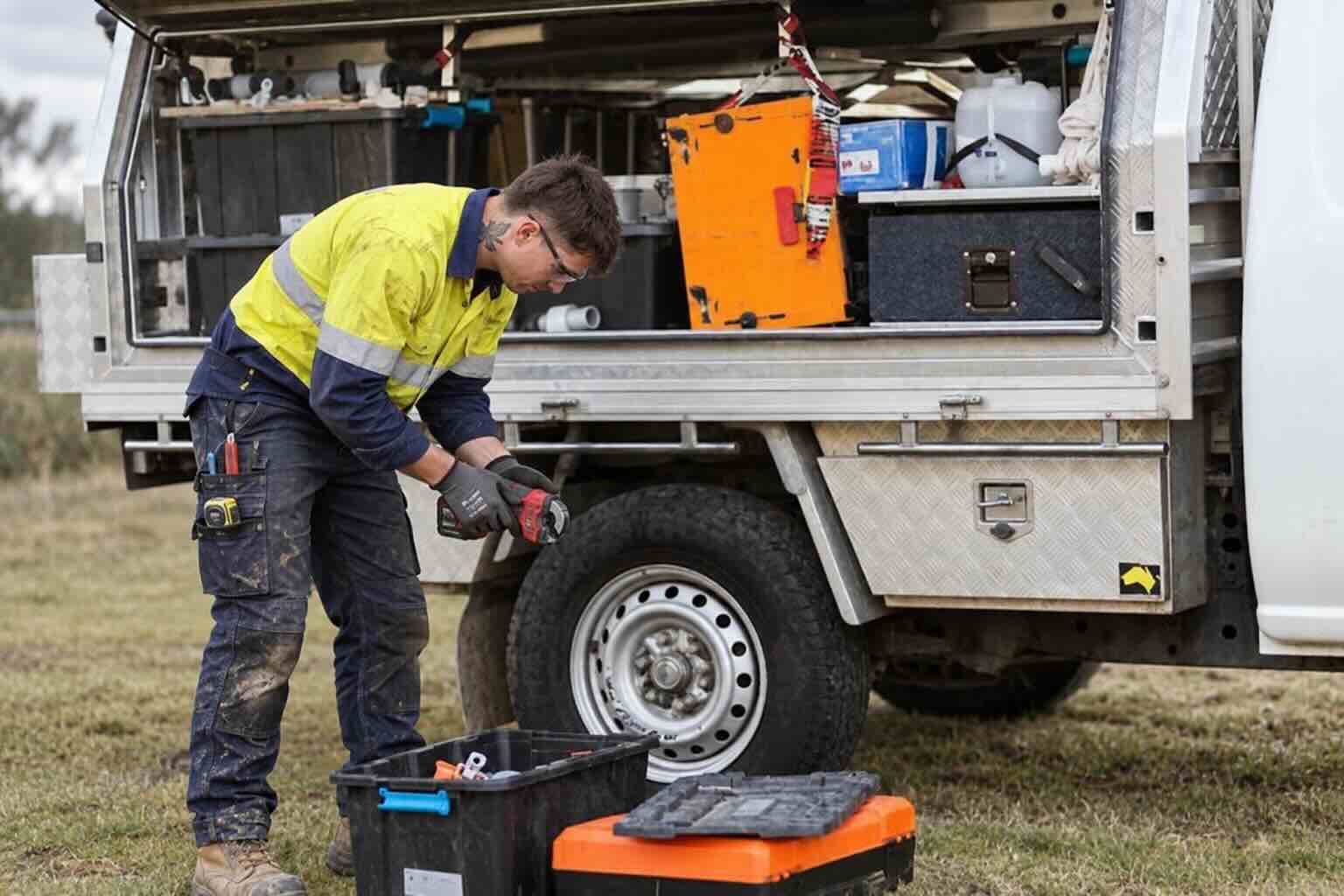
For many tradies, the vehicle is used to travel between jobs and transport workers, tools, equipment and materials. The available cover depends on the vehicle, its business use, drivers and the policy selected.
Tools, stock or equipment carried inside the vehicle may require separate cover. A Commercial Vehicle Insurance policy should not be assumed to cover everything stored in the ute or van.
Contractor Plant and Machinery Insurance
Contractor Plant and Machinery Insurance may be relevant if the sole trader owns, hires or operates mobile plant or specialised machinery.
An arborist might use a chipper, stump grinder, crane or elevated work platform. A civil contractor could operate excavators, skid steers, loaders, graders or rollers. The insurance considerations can also change where machinery is hired in, hired out, operated under wet hire or supplied under dry hire arrangements.
Standard Tools and Equipment Insurance may not cover larger plant, attachments or hired-in machinery unless those items and uses are declared and accepted.
Contract Works Insurance
Contract Works Insurance may be relevant where a sole trader takes responsibility for works in progress, materials or other project property under a construction contract. It may cover insured physical loss or damage to that property, subject to policy terms, conditions, limits and exclusions.
A plumbing contractor completing a fixed-price commercial fit-out, staged installation or multi-unit project may have different responsibilities from a sole trader performing individual maintenance jobs. Electricians, carpenters, builders and other contractors taking responsibility for larger installation or construction scopes may also need to review who carries the risk for incomplete works before handover.
A builder, developer, principal contractor or project owner may require Contract Works Insurance, but responsibility for arranging cover depends on the contract. A policy does not automatically insure every party or contractual obligation.
Professional Indemnity Insurance
Professional Indemnity Insurance may become relevant when a sole trader provides professional advice or services as part of the job.
Examples can include:
- Preparing designs, calculations or specifications.
- Providing technical recommendations.
- Preparing reports or professional documentation.
- Providing project management or consulting services.
- Certifying or inspecting work where appropriately qualified.
- Working under a design-and-construct contract.
For example, an electrician who only installs equipment can have a different professional exposure from an electrical contractor who also designs a system, specifies components or provides technical certification.
Professional Indemnity Insurance is separate from Public Liability Insurance. The two policies address different types of claims and should not be treated as interchangeable.
Workers Compensation Insurance
Workers Compensation Insurance becomes relevant when a sole trader employs workers. Requirements vary between states and territories and can depend on worker classification, workforce structure and where the work is performed.
A sole trader working alone is different from a sole trader who has hired an apprentice, casual employee or other worker. Contractor and subcontractor arrangements can also require closer review because workers compensation legislation can treat some working arrangements differently from their contractual label.
All Trades Cover may be able to arrange Workers Compensation Insurance for eligible businesses in Western Australia, Tasmania, the Australian Capital Territory and Northern Territory, subject to applicable scheme requirements and insurer acceptance. Businesses in other jurisdictions should confirm their obligations and arrange cover through the applicable state scheme or authorised provider.
Business Package Insurance
Business Package Insurance can combine several sections within one policy structure. The sections selected may include property, Public and Products Liability, General Property, Business Interruption and other insured business risks.
This may become more relevant when a sole trader operates from a workshop, office, yard, factory or other business premises, or holds stock, spare parts, tools, equipment or office contents.
Each section of a Business Package Insurance policy has its own insured events, limits and exclusions.
Management Liability Insurance
Management Liability Insurance may help cover certain claims connected with management decisions, employment practices, regulatory investigations and other insured management exposures.
The relevance and availability of this cover depend on your business structure and the insurer’s policy. Some Management Liability products are designed for companies, so sole traders should confirm eligibility and which sections are available. Employment and statutory exposures may become more relevant as the business grows and starts employing staff or taking on greater management responsibilities.
A policy may contain sections dealing with matters such as employment practices liability, statutory liability, crime or fidelity risks and certain investigation costs, subject to the policy wording.
Tax Audit Insurance
Tax Audit Insurance may cover certain professional fees incurred when an insured business is audited, reviewed or investigated by the Australian Taxation Office or a state revenue office.
A sole trader may have business records involving GST, BAS reporting, vehicle costs, equipment purchases, depreciation, subcontractor payments and business deductions. Where covered, Tax Audit Insurance may contribute towards eligible accountant, bookkeeper or tax adviser fees incurred in responding to an insured review.
Tax Audit Insurance does not usually cover the tax itself, amended assessments, penalties or interest payable to a revenue authority.
Cyber Insurance
Cyber Insurance may be relevant even when the business is run by one person. Sole traders increasingly use cloud accounting, online invoicing, job management systems, email, online quoting and databases containing customer information.
A Cyber Insurance policy may respond to certain insured incidents involving ransomware, phishing, business email compromise, data breaches, data restoration or interruption to business systems.
Insurers may require specified cyber security controls, such as multi-factor authentication, backups or software updates. Cover can also contain sub-limits for particular types of loss.
Business Interruption Insurance
Business Interruption Insurance may help a business manage certain lost income and additional operating costs following an insured event that disrupts normal trading.
For a sole trader with a workshop, stock, machinery or other insured business property, an interruption could follow insured physical damage that prevents normal work from continuing.
Business Interruption Insurance does not generally respond simply because work slows down, a project is delayed or a client cancels a job. The interruption usually needs to result from an insured event and meet the conditions of the policy.
Corporate Travel Insurance
Corporate Travel Insurance may be relevant for sole traders who travel for work, particularly where the business involves interstate, remote or overseas projects, training, inspections or meetings.
Depending on the policy, cover may include certain medical expenses, cancellations, baggage, business equipment, rental vehicle excess or other insured travel events.
Trip limits, territorial restrictions, excluded destinations, medical conditions and activity exclusions can apply.
Marine Transit Insurance
Marine Transit Insurance may cover insured goods, materials, tools, equipment or other property while being transported between locations. Despite the name, the policy can apply to eligible transport by road, rail, air or sea.
This may be relevant for contractors who regularly move machinery, components, fabricated items, materials or other valuable business property between a supplier, workshop, depot and job site.
Marine Transit Insurance is separate from Commercial Vehicle Insurance. Transit cover can also differ from extensions contained in Plant and Machinery Insurance or Contract Works Insurance.
Contract-Specific Endorsements and Extensions
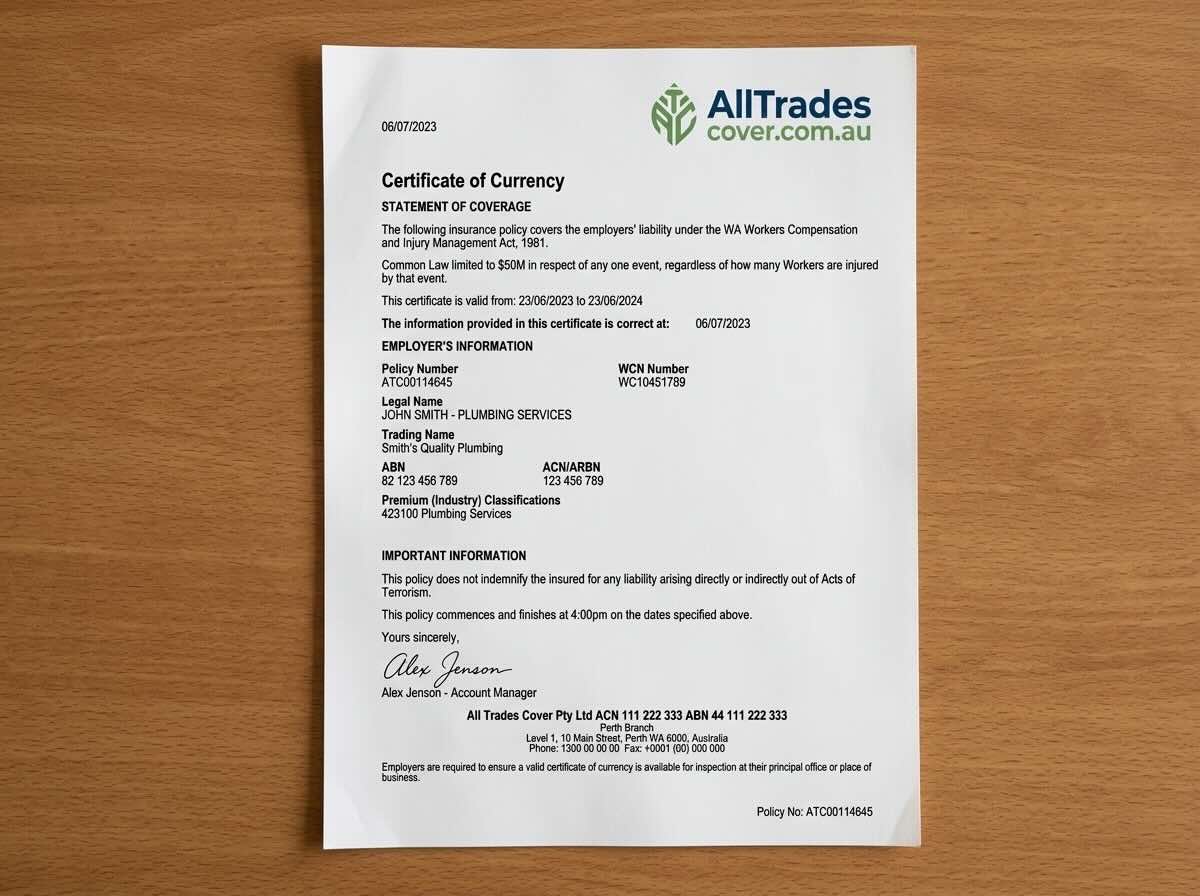
Contract-specific endorsements and extensions are not separate insurance policies. They amend the cover or wording of an existing policy, subject to insurer agreement. Contracts may also request evidence of insurance, such as a Certificate of Currency.
A contract may request items such as:
- Principal’s Indemnity, where required and accepted by the insurer.
- Cross Liability wording.
- Waiver of Subrogation, where required and available.
- Contractual Liability extensions, where available.
- Project-Specific Certificates of Currency.
- Interested party or financier noting, where appropriate and available.
- Particular policy limits or excess requirements.
Whether the requested wording can be provided depends on the insurer, declared activities, existing policy and contract. A Certificate of Currency should not be assumed to prove that every activity or contractual obligation is insured.
Does a Sole Trader Need Public Liability Insurance?
Public Liability Insurance is not automatically compulsory for every sole trader in Australia. However, it is commonly considered by tradies who work at customer properties, construction sites, commercial premises or other locations where their activities could lead to a third-party injury or property damage claim.
Some occupations, licences, contracts and site-access arrangements may require particular liability insurance. Requirements can vary by state, territory, occupation and type of work.
A sole trader should check the requirements that apply to the specific licence, contract, client or site rather than assume that a general Public Liability policy will satisfy them.
How Can Insurance Requirements Differ by State and Territory?
Insurance and legal requirements for a sole trader can change depending on where the business operates. Workers Compensation Insurance schemes are state and territory based, while residential building work can have separate insurance, licensing and consumer protection requirements that do not apply in the same way to commercial work.
The type of trade also matters. A self-employed carpenter completing residential building work may face different statutory requirements from an electrician working under a commercial subcontract or an earthmoving contractor working on a civil project.
State and territory requirements can change. The examples above are current as at September 2026 and are general only. Requirements depend on the trade, type and value of work, business structure, worker classification, licence conditions and contract.
Residential Work and Commercial Work Can Have Different Requirements
A requirement attached to residential building work should not automatically be applied to commercial work. Home warranty, home indemnity and similar statutory schemes generally operate under state or territory residential building legislation and have their own thresholds, exclusions and eligibility rules.
Commercial construction, civil, industrial and mining projects can instead impose insurance requirements through the contract or principal contractor. These may include specified Public Liability Insurance limits, Professional Indemnity Insurance, Contract Works Insurance, Workers Compensation Insurance, Principal’s Indemnity, Cross Liability or Waiver of Subrogation wording.
A Certificate of Currency should not be assumed to satisfy every licence, contract, tender or site-access requirement. The applicable licence conditions, contract and regulator requirements should be checked before work begins.
Check the jurisdiction where you work
If you work across state borders, employ workers, move into residential building work or take on a contract with new insurance conditions, check the current requirements with the relevant workers compensation and building regulator.
All Trades Cover may be able to arrange Workers Compensation Insurance for eligible businesses in Western Australia, Tasmania, the Australian Capital Territory and Northern Territory. In New South Wales, Victoria, Queensland and South Australia, businesses generally need to arrange Workers Compensation Insurance through the applicable state scheme or authorised provider. Availability is subject to scheme requirements and insurer acceptance.
This information is general only and does not take into account your objectives, financial situation or needs. Insurance, licensing and statutory requirements can change and should be confirmed with the relevant authority. Cover is subject to policy terms, conditions, limits, exclusions and insurer acceptance.
Does a Sole Trader Need Insurance if They Work as a Subcontractor?
A subcontractor can still have their own insurance exposures. Working under another contractor does not automatically place the subcontractor under the head contractor’s insurance for every risk.
A subcontract may specify Public Liability limits, Certificates of Currency, Principal’s Indemnity, Professional Indemnity Insurance or other policy requirements. The subcontractor should compare those requirements with their own policy wording before starting the work.
Worker classification also matters for Workers Compensation Insurance. Calling someone a subcontractor does not determine how workers compensation legislation will treat the arrangement. The relevant state or territory requirements should be checked.
How Do You Work Out Which Sole Trader Insurance May Be Relevant?
Start with the work the business actually performs. Then consider the property, vehicles, machinery, contracts and people involved in delivering that work.
Review your insurance when you:
Changes to the work you perform can change what needs to be declared to your broker or insurer.
Add a new trade activity or type of work.
Buy or hire plant, machinery or higher-value equipment.
Hire an employee or apprentice.
Start using subcontractors or labour hire workers.
Take on a contract with different insurance conditions.
Begin providing designs, reports, certification or professional advice.
Move into commercial, civil, industrial or mining work.
Increase turnover, job values or the scale of your projects.
A business change does not automatically mean additional insurance is required. Existing policies, declared activities, contracts and business circumstances should be reviewed against the applicable policy terms, conditions, limits and exclusions.
Common Questions About Insurance for Sole Traders
What Insurance Does a Sole Trader Need in Australia?
There is no single list of insurance that every Australian sole trader needs. Public Liability Insurance, Personal Accident and Illness Insurance, Tools and Equipment Insurance and Commercial Vehicle Insurance are commonly considered by tradies, while other covers may be relevant depending on the work, assets, contracts and business structure.
Legal and contractual insurance requirements can also vary by occupation, state or territory and type of project.
Do I Need Public Liability Insurance as a Sole Trader?
Public Liability Insurance is not legally compulsory for every sole trader, but some trades, licences, contracts and sites may require it. The policy may respond to certain third-party injury or property damage claims arising from declared business activities, subject to the policy terms, conditions, limits and exclusions.
Does a Sole Trader Need Workers Compensation Insurance?
A sole trader is generally not personally covered by their own business’s Workers Compensation Insurance. However, a sole trader working as a contractor may be treated as a worker under the hiring business’s policy, depending on the working arrangement and the relevant state or territory legislation.
If the sole trader employs workers, Workers Compensation Insurance requirements may apply and vary by state or territory. Businesses should check their current obligations with the relevant workers compensation authority to confirm who must be insured and which scheme applies.
What Insurance Can Cover a Sole Trader if They Cannot Work?
Personal Accident and Illness Insurance may provide financial benefits where an insured sole trader cannot work because of an insured injury or illness. Waiting periods, benefit periods, insured amounts, exclusions and other policy conditions apply.
Do Subcontractors Need Their Own Insurance?
A subcontractor may need their own insurance depending on the work and contract. A head contractor’s insurance should not be assumed to cover every subcontractor activity, liability, tool, vehicle or professional service.
Subcontractors should check the insurance schedule and other requirements in the relevant contract before starting work.
Does a Sole Trader Need Professional Indemnity Insurance?
Professional Indemnity Insurance may be relevant where the sole trader provides professional advice, designs, calculations, reports, specifications, certification, project management or consulting services. A tradie performing manual work only can have different professional exposures from a contractor who also provides these services.
Does Public Liability Insurance Cover My Tools?
Public Liability Insurance generally addresses liability to third parties rather than loss or damage to your own tools. Tools and Equipment Insurance may provide cover for insured tools and portable equipment, subject to the policy wording and security, storage and theft conditions.
Does My Vehicle Insurance Cover the Tools in My Ute?
Commercial Vehicle Insurance should not be assumed to cover tools, stock or portable equipment carried in the vehicle. Separate Tools and Equipment Insurance may be required for those items, depending on the policy structure.
Do I Need Contract Works Insurance as a Subcontractor?
Contract Works Insurance may be relevant if the subcontractor has responsibility for insured works, materials or other project property before completion or handover. Responsibility can vary between the builder, principal contractor, subcontractor and project owner, so the construction contract should be checked.
Do I Need to Change My Insurance When I Take on Bigger Jobs?
A larger project does not automatically mean a new policy is required, but it can change the information an insurer needs. Job values, work activities, locations, subcontractor use, plant, contract conditions and required liability limits may all need to be reviewed.
Reviewing Insurance as a Self-Employed Tradie
Sole trader insurance should reflect how the business operates rather than relying on a generic trade label. An electrician installing domestic lighting has different exposures from one designing commercial systems. An arborist using hand tools has different equipment requirements from one running chippers, EWPs and stump grinders. A plumber performing maintenance work has different project responsibilities from one accepting a fixed-price commercial plumbing package.
Before arranging or renewing insurance, it can help to have details of your work activities, annual turnover, tools, vehicles, plant, employees or subcontractors and any contract insurance schedules available for review.
All Trades Cover is a specialist insurance brokerage working with tradies, contractors, construction businesses, mining operators and plant businesses. Our brokers can discuss available insurance options and review how declared activities and contract requirements may interact with policy wording.
Request a quote to discuss your trade and the insurance options that may be available.
General information disclaimer: This information is general only and does not take into account your objectives, financial situation or needs. Insurance requirements can vary according to your trade, business structure, work activities, contracts and jurisdiction. Cover is subject to policy terms, conditions, limits, exclusions and insurer acceptance.
![How Much Does Public Liability Cost for a Sole Trader? [Tradie Guide]](https://www.alltradescover.com.au/wp-content/uploads/2026/07/public-liability-cost-sole-trader.jpg)