




Updated July 2026
Professional Indemnity Insurance can help cover certain claims alleging that your professional advice, designs, reports, specifications or services caused another person or business financial loss. It may respond to legal defence costs, investigations, settlements or compensation, subject to the policy terms, conditions, limits and exclusions.
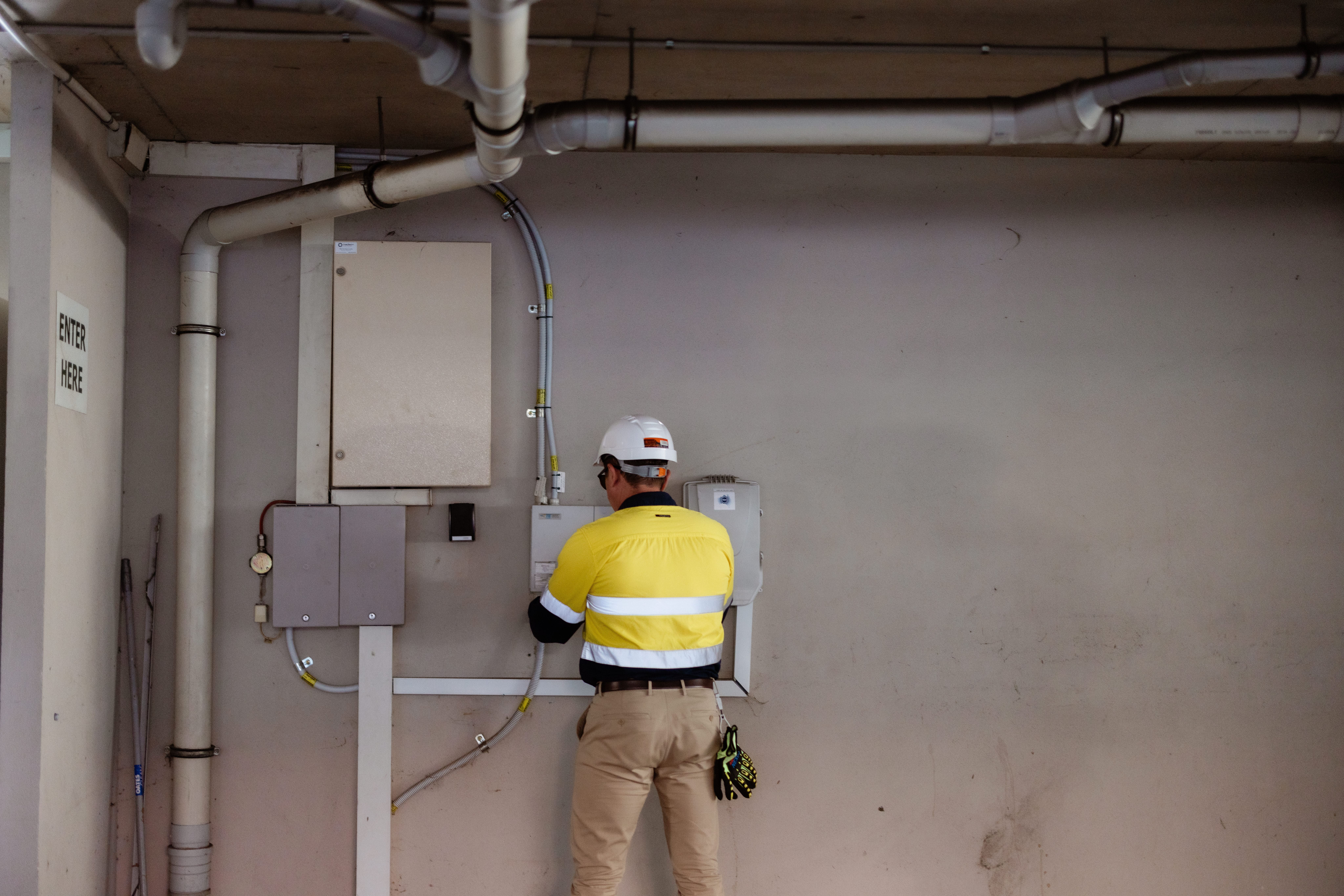
Professional Indemnity Insurance is not only used by lawyers, accountants and consultants. It may also be relevant to tradies, contractors and construction professionals whose work includes design, advice, certification, inspection, project management or technical recommendations.
Professional Indemnity Insurance at a glance
The key point is whether a client relies on your advice, design, reporting, certification or another professional service. Cover remains subject to policy terms, conditions, limits, exclusions and insurer acceptance.
Quick Summary
- Professional Indemnity Insurance may respond when a client alleges that your professional advice, design, report, specification or service caused financial loss.
- Professional Indemnity Insurance is different from Public Liability Insurance, which commonly responds to third-party personal injury or property damage claims.
- Professional Indemnity Insurance may be relevant to tradies who provide design input, technical advice, inspections, certifications, reports or project management services.
- Cover may include legal defence costs, investigation expenses, settlements and compensation for covered claims.
- Common exclusions may include intentional or dishonest acts, known circumstances, fines, penalties and services that fall outside the insured business description.
- Professional Indemnity Insurance commonly operates on a claims-made basis, which makes continuous cover, retroactive dates and run-off arrangements relevant.
- Licensing bodies, contracts, clients, principal contractors or tender requirements may specify Professional Indemnity Insurance and a minimum cover limit.
- Cover is subject to policy terms, conditions, limits, exclusions and insurer acceptance.
What Is Professional Indemnity Insurance?
Professional Indemnity Insurance, often called PI Insurance, is a type of business insurance that may respond when a client or another third party alleges that a professional service caused them financial loss.
A claim could relate to an alleged:
- Error or omission
- Negligent act
- Breach of professional duty
- Incorrect recommendation
- Design or specification error
- Failure to identify or report an issue
- Misleading or incomplete professional statement
The claim does not always need to involve physical injury or damaged property. For example, a client may allege that an incorrect specification caused rework, project delays or additional costs.
A Professional Indemnity Insurance policy may help cover the cost of responding to the allegation, even where liability has not yet been established. The insurer will assess the claim against the policy wording and the circumstances of the matter.
Is Professional Indemnity Insurance Relevant to Tradies?
Professional Indemnity Insurance may be relevant to a tradie when the work goes beyond carrying out a physical installation, repair or construction task.
A professional exposure may arise where a tradie or contractor:
- Prepares or changes plans, drawings or specifications
- Recommends materials, systems, products or construction methods
- Provides written or verbal technical advice
- Conducts inspections or prepares reports
- Issues certificates, declarations or compliance documents
- Provides design and construct services
- Manages a project, budget, scope or timeline
- Coordinates subcontractors or other trades
- Signs off on completed work or technical requirements
- Provides advice that a client relies on when making a financial decision
Not every tradie will have the same professional exposure. A contractor who only installs a specified product may face a different risk from a contractor who selects the product, designs the system and certifies that the completed work meets particular requirements.
Your work may create a professional exposure when:
✓ You select: You choose a product, system, material or method for the client.
✓ You design: You prepare or alter drawings, calculations, plans or specifications.
✓ You advise: A client relies on your technical recommendation or professional opinion.
✓ You sign off: You inspect, certify, report on or approve work or technical requirements.
Any of these activities may create a professional exposure. The insurance position depends on the declared services, policy wording and insurer acceptance.
Who May Need Professional Indemnity Insurance?
Professional Indemnity Insurance is commonly used by businesses that provide professional services, technical guidance or documentation that clients rely on.
Design and Construct Contractors
Design and construct contractors can take responsibility for both design input and construction delivery. Professional exposure may arise from drawings, material selections, specifications, calculations or design changes made during a project.
Project Managers and Site Supervisors
Project managers and site supervisors may provide directions, prepare reports, coordinate subcontractors, manage budgets or make decisions that affect project costs and timelines.
Engineers and Technical Consultants
Engineers, technical consultants, designers, drafters and surveyors may provide calculations, assessments, plans, specifications and certifications. Professional Indemnity Insurance is commonly considered for these services.
Professional Indemnity Insurance may also form part of a broader mining contractor insurance program for mining engineers, designers, consultants, surveyors and other technical service providers.
Inspectors and Certifiers
Inspectors and certifiers may be exposed to claims where a client alleges that an inspection missed a defect, a report contained incorrect information or a certificate should not have been issued.
Tradies Providing Advice or Design Input
Professional Indemnity Insurance may also be relevant to trades such as:
- Electricians who design systems, prepare specifications or provide compliance advice
- Plumbers who provide hydraulic design, drainage advice or inspection services
- Builders with design, project management or consulting responsibilities
- Landscapers who prepare drainage, retaining, irrigation or landscape plans
- Arborists who provide tree assessments, reports or risk advice
- Air conditioning contractors who design or specify systems
- Solar panel installers who provide system design or technical recommendations
- Earthmoving and excavation contractors who provide site, methodology or technical advice
- Concreters who provide specifications or technical advice about concrete systems
- Welders who provide fabrication designs, specifications or technical certifications
The relevance of Professional Indemnity Insurance depends on the actual services provided, the insured business description, contractual obligations and insurer acceptance. A trade title alone does not determine whether a particular activity is covered.
When Is Professional Indemnity Insurance Required?
Professional Indemnity Insurance is not compulsory for every Australian business or trade. However, it may be required by a regulator, registration scheme, professional association, contract or client.
Professional Indemnity Insurance may be requested as a condition of:
- Professional registration or licensing
- A commercial construction contract
- A design and construct agreement
- A government or infrastructure tender
- A principal contractor’s insurance requirements
- A consultancy or project management agreement
- A client’s supplier or subcontractor onboarding process
- Membership of a professional association
Requirements can vary by state, occupation, regulator and project. A contract may also specify the minimum policy limit, the required retroactive date, how long cover must remain in place after the work ends and whether particular endorsements are required.
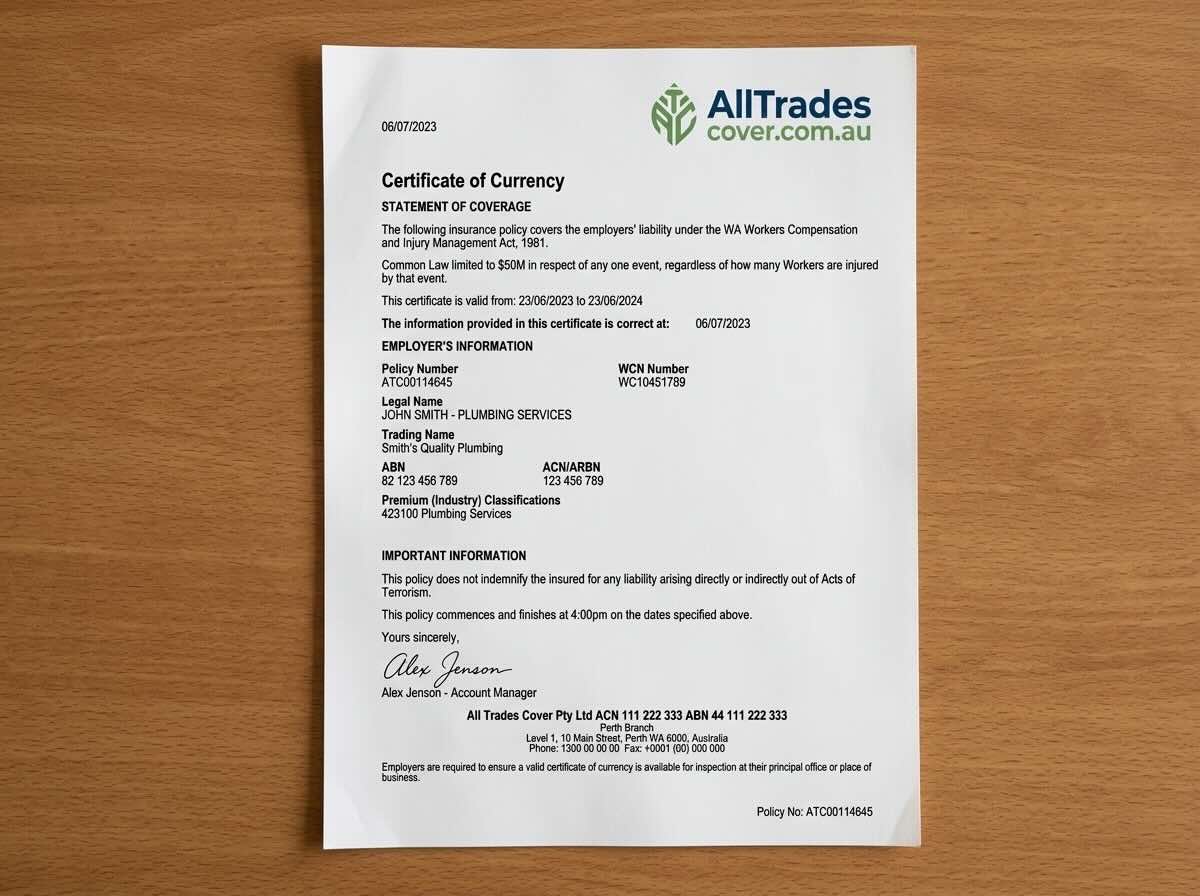
Before relying on a policy for a contract, check the insurance clause, scope of services, policy limit, exclusions and insured business description. A Certificate of Currency confirms that a policy is in force on the date shown, but it does not confirm that every contractual obligation or activity is covered.
What Does Professional Indemnity Insurance Cover?
The exact cover depends on the insurer and policy wording. Subject to policy terms, conditions, limits and exclusions, Professional Indemnity Insurance may respond to the following.
Professional Negligence, Errors and Omissions
A policy may respond where a client alleges that an error, omission or negligent professional service caused financial loss.
Examples may include:
- An error in a plan, drawing or specification
- An incorrect measurement or calculation
- Missing information in a report or scope document
- A recommendation that allegedly caused rework or additional expense
- A failure to identify an issue during an inspection
Breach of Professional Duty
Cover may respond to allegations that the insured business failed to meet a professional duty owed to a client.
This may include an alleged failure to exercise the level of care expected when providing professional advice, design, certification, inspection or management services.
Breach of Contract or Statutory Duty
Some policies may respond to certain allegations involving a breach of contract or statutory duty where the matter arises from covered professional services.
However, contractual liabilities that extend beyond the professional duty the business would otherwise have may be excluded. The contract and policy wording should be reviewed before work begins.
Misleading or Deceptive Conduct
A policy may respond to certain allegations that a client relied on incorrect, incomplete or misleading information contained in professional advice, tender documents, reports, quotations or capability statements.
Defamation
Some Professional Indemnity Insurance policies may include civil liability cover for allegations of defamation, libel or slander arising from professional communications.
This cover is not included in every policy and may be subject to specific conditions and exclusions.
Legal Defence and Investigation Costs
Professional Indemnity Insurance may help cover reasonable legal defence and investigation costs associated with a covered claim.
This may include:
- Legal representation
- Investigation expenses
- Expert reports
- Court or tribunal costs
- Costs associated with responding to a formal complaint
Defence costs may form part of the policy limit or apply in addition to the limit, depending on the wording.
Settlements and Compensation
Where a claim is accepted, a policy may help cover an approved settlement or compensation amount, up to the applicable policy limit.
The insurer generally controls or must approve the defence strategy and any settlement. A business should not admit liability, promise payment or enter a settlement without first speaking with its broker or insurer.
Public Relations Expenses
Some policies may include limited public relations or crisis management expenses following a covered claim. This is not a standard inclusion under every policy.
What Costs May Professional Indemnity Insurance Cover?
Depending on the policy and accepted claim, Professional Indemnity Insurance may help cover:
- Legal defence costs: The cost of obtaining legal advice and responding to legal proceedings.
- Investigation costs: Costs associated with assessing the circumstances and evidence surrounding the allegation.
- Expert costs: Fees for engineers, consultants or other specialists involved in defending the claim.
- Settlements: Settlement amounts approved by the insurer.
- Compensation: Court-awarded compensation for an accepted claim, subject to the policy limit.
- Formal inquiry costs: Certain costs associated with regulatory or disciplinary inquiries, where included.
- Public relations costs: Limited reputation management expenses, where included by the policy.
Cover is subject to the applicable excess, policy limit, sub-limits and insurer approval.
What Does Professional Indemnity Insurance Commonly Exclude?
Professional Indemnity Insurance does not cover every dispute, loss or business expense. Common exclusions may include:
- Intentional, dishonest, fraudulent or criminal acts
- Known claims or circumstances that were not disclosed before the policy started
- Claims arising from services outside the insured business description
- Contractual liabilities that exceed the insured business’s normal professional duty
- Fines, penalties or punitive damages where excluded by law or the policy
- Asbestos-related claims
- Claims arising after the policy ends where no applicable run-off cover is in place
- Events occurring before the applicable retroactive date
- Claims made by related entities where an insured-versus-insured exclusion applies
- Insolvency, trading debts or failure to provide refunds
- Cyber incidents unless included by the policy or insured separately
Physical injury and property damage claims are also commonly handled under Public Liability Insurance rather than Professional Indemnity Insurance, although some professional liability policies may contain limited extensions.
Employee work-related injury or illness is generally managed through the relevant workers compensation scheme. All Trades Cover can only offer Workers Compensation Insurance in Western Australia due to licensing restrictions.
How Do Claims-Made Professional Indemnity Policies Work?
Professional Indemnity Insurance commonly operates on a claims-made basis.
This generally means the policy must be active when the claim is made, rather than only when the original work was completed. The alleged act, error or omission must also fall within the policy’s applicable coverage period and retroactive arrangements.
For example, a contractor may complete a design in 2024, but the client may not identify the alleged issue until 2026. The policy in force when the claim is made may be relevant, subject to the retroactive date, continuity of cover and policy terms.
Businesses should avoid allowing Professional Indemnity Insurance to lapse without first considering outstanding work, past projects and the possibility of later claims.
How a claims-made policy may apply over time
STEP 1
Work is completed
Advice, design, inspection or another professional service is provided.
STEP 2
An issue is alleged later
The client identifies an alleged error, omission or financial loss after the work ends.
STEP 3
The claim is notified
The active policy, retroactive date, continuity and notification terms may determine whether the matter can be considered.
What Is a Retroactive Date?
A retroactive date sets the earliest date from which covered professional work may be considered under a claims-made policy.
For example, if a policy has a retroactive date of 1 July 2022, an allegation relating to professional work completed before that date may not be covered.
Retroactive cover may be available for work completed before the current policy started, but it is subject to insurer approval and disclosure of known claims or circumstances.
When changing insurers, check whether the new policy preserves the existing retroactive date. Losing an earlier retroactive date may leave past work outside the new policy.
What Is Run-Off Cover?
Run-off cover may provide ongoing protection for claims made after a business stops providing professional services.
Run-off cover may be relevant when a business:
- Closes
- Retires
- Sells part or all of its operations
- Stops providing a particular professional service
- Merges with another business
A client may raise an allegation years after the original work was completed. Maintaining suitable run-off arrangements may help address claims connected to past professional services, subject to the applicable policy wording.
Professional Indemnity Insurance Examples for Tradies and Contractors
The following scenarios are general examples only. Whether a policy responds will depend on the insured services, facts of the claim, policy wording, exclusions and insurer assessment.
Incorrect Electrical Specification
An electrical contractor prepares a system specification for a commercial client. The client later alleges that the specified system does not meet the required capacity and must be redesigned.
The client seeks the additional design, replacement and project delay costs from the contractor. Professional Indemnity Insurance may respond to the contractor’s legal defence and covered liability where the specification service was declared and accepted by the insurer.
Landscaping Drainage Advice
A landscaper prepares a drainage plan as part of a commercial landscaping project. The client later alleges that the plan was unsuitable and caused additional rectification expenses.
A Professional Indemnity Insurance policy may respond to certain financial loss allegations arising from the design advice, subject to the policy terms and insured business description.
Inspection Report Allegation
An inspector completes a report and does not identify an issue that is later discovered. The client alleges that they relied on the report when approving the work and incurred additional costs.
Professional Indemnity Insurance may help cover the cost of investigating and defending the allegation where the inspection service falls within the policy.
Project Management Error
A project manager coordinates a construction program and prepares progress reports. The client alleges that an error in the project information led to avoidable delays and additional contractor costs.
The policy may respond to covered allegations relating to the project management service. It would not automatically cover every delay, cost overrun or contractual dispute.
Professional Indemnity Insurance vs Public Liability Insurance
Professional Indemnity Insurance and Public Liability Insurance respond to different types of business risk. A contractor may require one or both policies depending on the work performed.
The applicable policy depends on the cause and wording of the allegation, as well as the terms, conditions, limits and exclusions of each policy.
A single incident may contain both professional and physical elements. The applicable policy will depend on how the allegation is framed, the cause of the loss and the terms of each policy.
Read our detailed guide to the difference between Professional Indemnity Insurance and Public Liability Insurance.
How Is Professional Indemnity Insurance Different From Other Business Insurance?
- Professional Indemnity Insurance may respond to claims alleging that covered professional services caused financial loss.
- Public Liability Insurance may respond to third-party personal injury or property damage claims connected to the insured business activities.
- Workers Compensation Insurance relates to work-related injury and illness involving workers under the applicable state scheme. All Trades Cover can only offer Workers Compensation Insurance in Western Australia due to licensing restrictions.
- Contract Works Insurance may cover insured construction works, materials and certain project risks during the construction period.
- Property and Tools Insurance may cover specified tools, equipment and other insured property against selected events.
- Commercial Vehicle Insurance may cover insured work vehicles against selected accidental damage, theft and liability risks.
- Personal Accident and Illness Insurance may provide selected benefits where an insured person cannot work because of a covered injury or illness.
- Trade Business Insurance may combine selected forms of business property, liability and interruption cover within one policy arrangement.
Each policy has a different purpose. Holding one type of insurance does not mean the business is covered for every other risk.
How Much Professional Indemnity Cover May Be Required?
The appropriate Professional Indemnity Insurance limit depends on the business’s services, contracts, project values and potential financial exposure.
Factors to review include:
- The minimum limit stated in contracts or tenders
- The value and duration of the projects
- The type of advice, design or certification provided
- The potential cost of rectification, rework or delay
- The number and type of clients
- Whether the business works on residential, commercial, industrial, infrastructure or mining projects
- Whether defence costs are included within or paid in addition to the policy limit
- Any aggregate limit applying across all claims during the policy period
- Sub-limits applying to specific extensions
- The period for which the contract requires the policy to remain in force
Professional Indemnity Insurance limits commonly vary between insurers and occupations. A contract may specify a minimum limit such as $2 million or $5 million, but meeting the stated dollar limit alone does not confirm that the policy meets every contract requirement.
Cover is subject to policy terms, conditions, limits, exclusions and insurer acceptance.
What Affects the Cost of Professional Indemnity Insurance?
Professional Indemnity Insurance premiums are assessed according to the professional services provided and the potential financial exposure.
Factors that may affect the premium include:
- The occupation and services provided
- The level of design, advice, inspection or certification involved
- Annual turnover and professional fee income
- Project and contract values
- The type of clients and industries served
- The locations and jurisdictions where work is performed
- Past claims, complaints and known circumstances
- The required policy limit
- The selected excess
- The retroactive date
- Subcontractor and consultant use
- Contract terms, warranties and indemnity clauses
- Risk management, quality control and record-keeping procedures
- Required policy extensions
A contractor who provides installation services only may be assessed differently from a contractor who also prepares designs, provides written advice and certifies completed work.
An insurer may require a proposal form, details of the business’s qualifications, sample contracts, project information, claims history and a breakdown of professional services before providing terms.
Does Professional Indemnity Insurance Cover Subcontractors?
Subcontractors are not automatically insured under every Professional Indemnity Insurance policy.
A policy may cover the insured business’s legal liability for work completed by a subcontractor on its behalf. This is commonly referred to as vicarious liability. However, the subcontractor may not be insured for its own separate liability unless specifically included.
Businesses using subcontractors should check:
- Whether subcontracted professional services are allowed
- Whether the policy covers vicarious liability
- Whether subcontractors must hold their own Professional Indemnity Insurance
- Whether evidence of the subcontractor’s insurance must be retained
- Whether written contracts and indemnities are required
- Whether any work is performed outside the insured business description
What Should You Do If a Client Makes a Claim or Complaint?
Contact your broker or insurer promptly if a client makes a complaint, alleges financial loss, threatens legal action or raises an issue that could reasonably develop into a claim.
Act early and keep the response factual
A complaint, demand, threatened legal action or other known circumstance may need to be notified before it becomes a formal claim.
Avoid admitting liability or agreeing to pay or rectify the matter before speaking with the broker or insurer. Notification requirements remain subject to the policy wording.
Practical steps may include:
- Do not admit liability. Avoid accepting fault, offering compensation or agreeing to rectify the issue without insurer approval.
- Preserve the records. Keep contracts, quotes, drawings, reports, specifications, emails, text messages, site notes, photographs and meeting records.
- Record the circumstances. Prepare a factual timeline of the work and the complaint while the details are clear.
- Notify the matter promptly. Claims-made policies may contain notification requirements and time limits.
- Follow insurer instructions. The insurer may appoint lawyers, investigators or technical experts.
- Avoid making unauthorised statements. Communications with the client should be factual and coordinated with the appointed claim representatives.
All Trades Cover can support clients through the claims process by helping organise relevant records, submitting claim information and communicating with the insurer. All Trades Cover does not control whether a claim is accepted or the final claim outcome.
Existing clients can visit the Make a Claim page or call 1300 826 850.
How All Trades Cover May Be Able to Help
Professional Indemnity Insurance can involve detailed questions about professional services, contracts, retroactive dates, exclusions and claim notification requirements.
All Trades Cover may be able to help by:
- Reviewing the professional services the business provides
- Comparing policy options from available insurers
- Checking whether the insured business description reflects the declared services
- Reviewing contract insurance requirements against available policy options
- Explaining limits, excesses, retroactive dates and common exclusions
- Coordinating Professional Indemnity Insurance with other relevant business policies
- Providing Certificates of Currency once cover is arranged and issued
- Supporting clients through the claims process
All Trades Cover is a specialist insurance brokerage for trades, construction, mining and heavy industry. All Trades Cover operates under Australian Financial Services Licence 418512.
Request a Professional Indemnity Insurance quote or contact All Trades Cover to discuss the services your business provides.
Professional Indemnity Insurance FAQs
Is Professional Indemnity Insurance compulsory in Australia?
Professional Indemnity Insurance is not compulsory for every Australian business. It may be required by a licensing body, regulator, professional association, contract, tender, principal contractor or client. Requirements depend on the occupation, jurisdiction and services provided.
Do sole traders need Professional Indemnity Insurance?
A sole trader may have a professional liability exposure if clients rely on their advice, plans, reports, inspections, certifications or technical services. Whether cover is appropriate depends on the services, contracts and potential financial exposure.
Do tradies need Professional Indemnity Insurance if they do not charge separately for advice?
Professional exposure can still arise where advice, recommendations or design input form part of the overall service. The absence of a separate consulting fee does not necessarily remove the exposure.
Does Professional Indemnity Insurance cover verbal advice?
Some policies may respond to allegations involving verbal professional advice, provided the advice relates to insured professional services and is not otherwise excluded. Written records can make it easier to establish what was discussed.
Does Professional Indemnity Insurance cover mistakes by employees?
A policy may cover the insured business’s liability for covered professional services performed by employees acting within their role. The employee, activity and service must fall within the policy terms and insured business description.
Does Professional Indemnity Insurance cover faulty workmanship?
Professional Indemnity Insurance does not usually cover the cost of simply redoing defective workmanship. It may respond where the claim arises from an alleged professional error in advice, design, specification or another insured professional service. Faulty workmanship exclusions and physical damage exclusions should be checked carefully.
Does Professional Indemnity Insurance cover property damage?
Property damage is commonly handled under Public Liability Insurance. Some Professional Indemnity Insurance policies may include limited cover where property damage directly arises from a covered professional service, but this depends on the policy wording.
Can Professional Indemnity Insurance cover past work?
Past work may be covered where the policy includes a suitable retroactive date and the relevant claim or circumstance was not known before the policy began. Retroactive cover is subject to insurer acceptance and policy terms.
What happens if Professional Indemnity Insurance is cancelled?
A claims-made policy may not respond to claims first made after cancellation, even where the original work occurred while an earlier policy was active. Run-off cover or continuous replacement cover may be relevant when a business closes, retires or changes insurers.
How long should Professional Indemnity Insurance be maintained?
The required period depends on the business’s continuing exposure, contractual obligations, professional registration requirements and limitation periods. Some contracts require cover to remain in place for a stated period after the work is completed.
Does a Certificate of Currency prove that every activity is covered?
No. A Certificate of Currency confirms that a policy was in force on the date stated and provides selected policy details. It does not replace the policy wording or confirm that every activity, contract clause or claim is covered.
Can Professional Indemnity Insurance cover a claim when the business did nothing wrong?
A policy may help cover the cost of defending an allegation even where the business disputes liability, provided the matter falls within the policy. Claim acceptance and defence arrangements remain subject to insurer assessment.
How much Professional Indemnity Insurance does a contractor need?
The cover limit depends on contractual requirements, project values, professional services and possible financial loss. Minimum limits stated in contracts should be checked alongside the full insurance clause, required endorsements and period of cover.
Can Professional Indemnity Insurance be combined with Public Liability Insurance?
Professional Indemnity Insurance and Public Liability Insurance can often be arranged as part of the same business insurance program. They remain separate covers responding to different risks, conditions and exclusions.
Will Professional Indemnity Insurance meet every tender or site requirement?
No policy should be assumed to meet every tender, licence, contract or site-access requirement. The insurance clause, policy schedule and wording should be reviewed before the business confirms compliance.
Speak With All Trades Cover About Professional Indemnity Insurance
Professional Indemnity Insurance may be relevant where clients rely on your professional advice, design, inspection, certification, documentation or project decisions.
The right policy structure depends on what your business does, the contracts you sign, your previous work and the type of financial loss that could be alleged.
All Trades Cover can help you compare available Professional Indemnity Insurance options and understand the policy terms, limits, exclusions and insurer requirements.
Get a quote or call All Trades Cover on 1300 826 850.
General Advice Warning
This information is general only and does not take into account your objectives, financial situation or needs. Before acting on this information, consider whether it is appropriate for your circumstances and review the relevant policy wording, Product Disclosure Statement and Financial Services Guide where applicable.
Cover is subject to policy terms, conditions, limits, exclusions and insurer acceptance. Examples are illustrative only. They do not confirm that a claim would be accepted. All Trades Cover can support clients through the claims process but does not control insurer decisions or claim outcomes.Updated July 2026