




The difference between Public Liability and Product Liability is that Public Liability Insurance generally responds to third-party injury or property damage connected to your business activities, while Product Liability Insurance generally responds to third-party injury or property damage caused by products you sell, supply, install, repair, manufacture or distribute.
For tradies, contractors and small businesses, both risks can overlap. A claim may happen while you are working on-site, or it may arise later because of a product, material, fixture, fitting or component supplied as part of the job. Cover is subject to policy terms, conditions, limits, exclusions and insurer acceptance.
Quick Summary
- Public Liability Insurance can help cover claims where your business activities cause third-party injury or property damage.
- Product Liability Insurance can help cover claims where a product you sell, supply, install, repair, manufacture or distribute causes third-party injury or property damage.
- Public Liability claims often happen during the work, while Product Liability claims may happen after the product has been supplied or installed.
- Many business liability policies combine Public Liability and Product Liability, but the exact cover depends on the policy wording.
- Tradies should check whether supplied materials, installed products, completed work and product-related claims are addressed in their policy.
What Is Public Liability Insurance?
Public Liability Insurance can help cover legal costs and compensation claims if your business is alleged to have caused injury to another person or damage to third-party property.
For tradies and contractors, this usually relates to incidents connected to work activities, site conditions or business operations.
Examples may include:
- A client trips over your equipment while you are working at their property
- You damage a customer’s wall, flooring, window or driveway while completing a job
- A member of the public is injured because of your work area or equipment
- A subcontractor working under your direction causes damage to a client’s property, depending on the policy and circumstances
- You damage neighbouring property while working on-site
Public Liability Insurance generally relates to third parties. It does not usually cover injuries to your employees, damage to your own tools, poor workmanship itself or every contractual liability. Those risks may need separate cover or may be excluded.
What Is Product Liability Insurance?
Product Liability Insurance can help cover claims where a product connected to your business causes injury to another person or damage to third-party property.
This can apply to products your business:
- Sells
- Supplies
- Installs
- Repairs
- Imports
- Manufactures
- Distributes
- Modifies
For a tradie, a “product” may include materials, fixtures, fittings, components or equipment supplied as part of the work. For example, this could include a tap fitting, light fitting, flooring product, cabinet hardware, sealant, bracket, appliance, gate motor, pump or other supplied item.
Product Liability Insurance generally becomes relevant when the product causes injury or property damage after it has been supplied, installed or handed over. Cover depends on the product, business activity, policy wording and claim circumstances.
Public Liability vs Product Liability
The easiest way to understand the difference is to look at what caused the claim.
| Area | Public Liability Insurance | Product Liability Insurance |
|---|---|---|
| Main risk | Your business activities cause third-party injury or property damage. | A product you sell, supply, install or distribute causes third-party injury or property damage. |
| When it may happen | Often during the work or while your business is operating. | Often after the product has been supplied, installed or handed over. |
| Common example | A client trips over your extension lead during a job. | A supplied fitting fails later and causes property damage. |
| Relevant to | Most businesses that interact with clients, sites, property or the public. | Businesses that sell, supply, install, repair, import or manufacture products. |
| Key document to check | Public Liability section of the policy wording. | Products Liability section and product-related exclusions. |
How the Difference Works for Tradies
For tradies, the difference between Public Liability and Product Liability is not always obvious because many jobs involve both labour and supplied materials.
For example, if a plumber cracks a client’s basin while working, that may be a Public Liability issue. If the plumber supplies and installs a faulty fitting that later leaks and damages cabinetry, Product Liability may become more relevant, depending on the policy and circumstances.
For an electrician, if a customer trips over cable on-site, that may sit under Public Liability. If a supplied light fitting later fails and causes property damage, Product Liability may need to be considered.
For a cabinet maker, if a worker damages the client’s flooring during installation, that may be a Public Liability issue. If supplied cabinet hardware later fails and causes injury or damage, Product Liability may be relevant.
When Public Liability Insurance May Help
Public Liability Insurance may help when a third party alleges your business activities caused injury or property damage.
Common trade-related examples include:
- A painter spills paint on a client’s carpet
- A carpenter damages a client’s window during installation
- A cleaner leaves a wet floor and a customer slips
- A landscaper damages underground services while working
- A roofer drops material that damages a neighbouring property
- A concreter damages a driveway, fence or wall during the job
Whether a claim is covered depends on the policy wording, exclusions, limits, excess and claim circumstances.
When Product Liability Insurance May Help
Product Liability Insurance may help when a product connected to your business causes injury or property damage after it has been sold, supplied, installed or distributed.
Common examples may include:
- A supplied tap fitting fails and causes water damage
- A light fitting supplied by the business falls and injures someone
- A bracket or fixture supplied and installed by the business fails
- A flooring product supplied by the business causes property damage because of a product defect
- A gate motor or electrical component supplied by the business causes damage
- A product sold by a small retailer causes injury to a customer
Product Liability Insurance generally does not cover every issue with a product. It may not cover product recall, replacing the faulty product itself, poor workmanship, contractual penalties or known defects unless the policy specifically includes relevant extensions.
Are Public Liability and Product Liability Sold Together?
Public Liability and Product Liability are often included together under a business liability policy, but this should not be assumed. The policy schedule and wording should be checked to confirm what is included.
Some policies may show a combined Public and Products Liability limit. Others may apply different limits, conditions or exclusions for product-related claims.
If your business supplies, installs, imports, modifies or sells products, it is worth checking that the product-related part of the policy matches your actual business activities.
Why Product Liability Matters Even if You Are a Tradie
Product Liability is not just for manufacturers or retailers. It can also matter for tradies who supply and install products as part of their work.
Many trade jobs involve products, parts or materials, such as:
- Plumbing fittings
- Electrical fittings
- Air conditioning units and components
- Flooring materials
- Tiles and adhesives
- Cabinetry hardware
- Glass panels
- Roofing materials
- Security doors, locks and shutters
- Garden irrigation products
If a product causes injury or damage after the job is complete, the claim may not look like a standard on-site accident. That is why product-related risks should be considered when arranging business liability cover.
What Public and Product Liability Insurance May Not Cover
Public Liability and Product Liability Insurance do not cover every business risk. Exclusions vary between policies, but common limitations may include:
- Injury to employees
- Damage to your own tools, vehicles or equipment
- Poor workmanship itself
- The cost to redo defective work
- Product recall costs unless specifically included
- Known defects or deliberate acts
- Professional advice, design or certification errors
- Contractual penalties or fines
- Asbestos, pollution or hazardous work exclusions where applicable
- Claims outside the insured business activities
Other policies may be needed for these risks, such as Property and Tools Insurance, Professional Indemnity Insurance, Workers Compensation Insurance, Commercial Vehicle Insurance or Contract Works Insurance.
Do You Need Both Public Liability and Product Liability?
You may need both Public Liability and Product Liability if your business works with third parties and also sells, supplies, installs, repairs, imports, manufactures or distributes products.
This is common for many trade and small business operators, including:
- Electricians
- Plumbers
- Air conditioning installers
- Cabinet makers
- Glaziers
- Flooring contractors
- Roofers
- Landscapers
- Security system installers
- Retailers and wholesalers
- Manufacturers and importers
Many clients, builders, landlords and contractors may ask for evidence of Public Liability Insurance. If product exposure is part of your business, Product Liability should also be reviewed.
How Much Public and Product Liability Cover Do You Need?
The amount of cover you need depends on your contracts, work type, industry risk, client requirements, turnover, product exposure and possible claim size.
Common Public Liability Insurance limits include:
- $5 million
- $10 million
- $20 million
Some contracts may specify a minimum limit before work can begin. Higher-risk work, commercial sites, government contracts, mining work or larger projects may require higher limits.
The right limit should be reviewed against your business risks and contract requirements. A broker can help compare available options and explain policy limits, but cover remains subject to insurer acceptance.
What to Check Before Buying Liability Insurance
Before arranging Public and Product Liability Insurance, check that the policy reflects how your business actually operates.
Key points to review include:
- Your legal business name and trading name
- Your listed business activities
- The Public Liability limit
- The Products Liability limit
- Whether supplied and installed products are addressed
- Whether subcontractor work is addressed
- Any exclusions for imported products
- Any exclusions for high-risk work or locations
- Contractual liability conditions
- Excesses and sub-limits
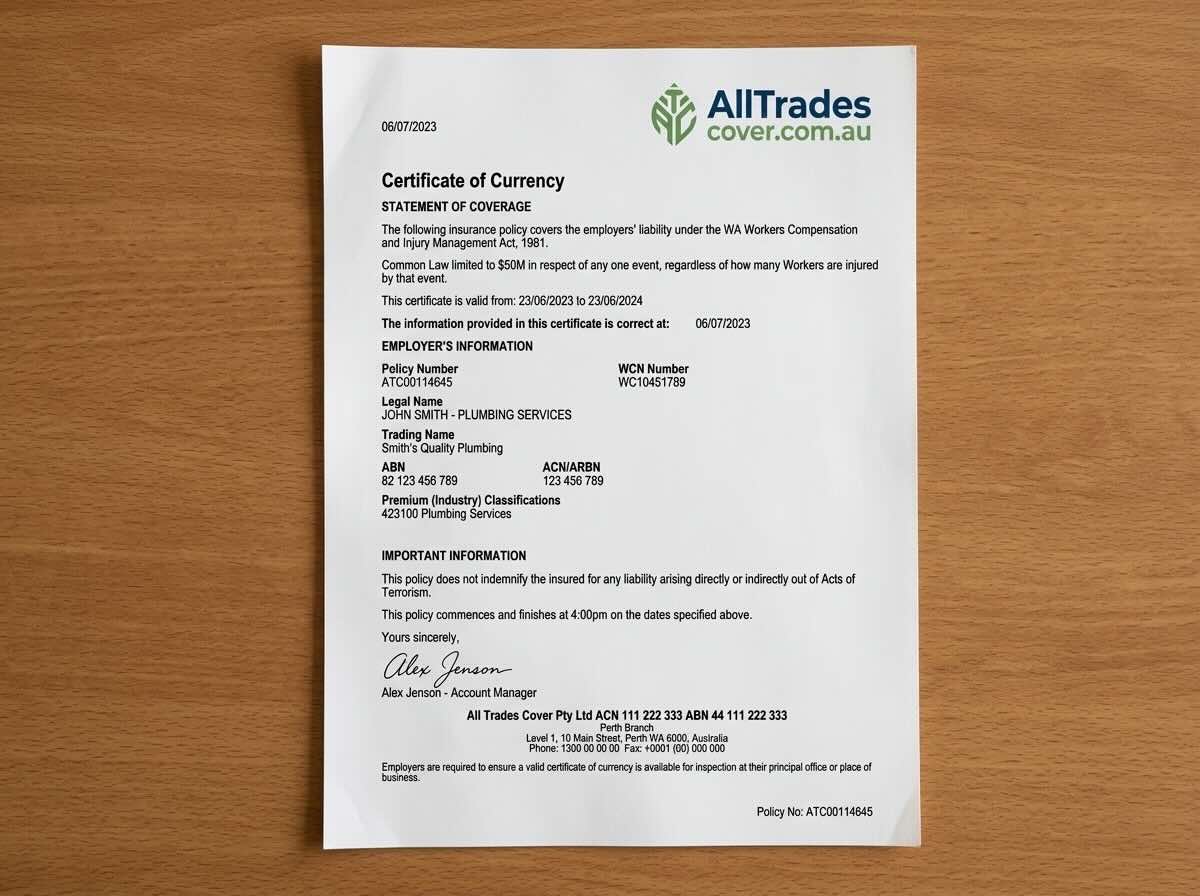
- Certificate of Currency requirements
If your business activities are not accurately listed, it may create issues at claim time. Clear disclosure is important when arranging cover.
How All Trades Cover Can Help
All Trades Cover helps tradies, contractors, builders and small businesses arrange liability insurance around real work risks, not generic policy wording.
We can help with:
- Reviewing your trade or business activities
- Comparing Public and Products Liability Insurance options
- Checking contract insurance requirements
- Arranging Certificates of Currency where available
- Explaining policy limits, exclusions and excesses
- Helping update cover as your business changes
- Supporting clients through the claims process
Our team can help you understand whether your business needs Public Liability Insurance, Product Liability Insurance or both under a combined business liability policy.
Frequently Asked Questions
What Is the Difference Between Public Liability and Product Liability?
Public Liability Insurance generally relates to third-party injury or property damage caused by your business activities. Product Liability Insurance generally relates to third-party injury or property damage caused by products your business sells, supplies, installs, repairs, manufactures or distributes.
Is Product Liability Included in Public Liability Insurance?
Product Liability is often included with Public Liability Insurance under a business liability policy, but this is not automatic. You should check the policy schedule and wording to confirm what is included.
Do Tradies Need Product Liability Insurance?
Tradies may need Product Liability Insurance if they sell, supply, install, repair or distribute products, materials, fixtures or fittings as part of their work. The need depends on the trade, work performed and policy requirements.
Does Public Liability Insurance Cover Faulty Workmanship?
Public Liability Insurance generally does not cover the cost of fixing poor workmanship itself. It may respond to resulting third-party injury or property damage where covered by the policy. Policy wording should be checked carefully.
Does Product Liability Cover Product Recall?
Product Liability Insurance does not automatically cover product recall costs. Product recall is usually a separate cover or extension and may not be included in a standard liability policy.
What Is an Example of a Public Liability Claim?
An example of a Public Liability claim is a client tripping over your equipment during a job and alleging your business caused their injury. Whether the claim is covered depends on the policy and circumstances.
What Is an Example of a Product Liability Claim?
An example of a Product Liability claim is a product supplied and installed by your business failing after handover and causing injury or damage to third-party property. Cover depends on the policy wording and claim details.
Do I Need Public Liability Insurance Before Entering a Worksite?
Many worksites, builders, principal contractors and commercial clients require Public Liability Insurance before work starts. The required limit may vary depending on the contract or site rules.
Can Product Liability Apply After I Finish the Job?
Yes. Product Liability can apply after the job is complete if a supplied or installed product later causes third-party injury or property damage. The policy wording and completed operations conditions should be reviewed.
Can All Trades Cover Help Compare Public and Product Liability Insurance?
Yes. All Trades Cover can help tradies and small businesses compare available Public and Products Liability Insurance options, check contract requirements and arrange Certificates of Currency where available.
Get Help With Public and Product Liability Insurance
If you are unsure whether your business needs Public Liability Insurance, Product Liability Insurance or both, All Trades Cover can help you review your business activities and compare available options.
You can request a quote, learn more about Public Liability Insurance, or speak with All Trades Cover about liability cover for your trade or business.
General Advice Warning: This information is general only and does not take into account your objectives, financial situation or needs. Cover is subject to policy terms, conditions, limits, exclusions and insurer acceptance. Before deciding whether a policy is suitable, read the relevant policy wording and consider whether the cover meets your circumstances.
![How Much Does Public Liability Cost for a Sole Trader? [Tradie Guide]](https://www.alltradescover.com.au/wp-content/uploads/2026/07/public-liability-cost-sole-trader.jpg)













![What Insurance Does a Sole Trader Need? [Guide for Tradies]](https://www.alltradescover.com.au/wp-content/uploads/2020/06/what-insurance-does-sole-trader-need.jpg)