



[Last updated September 2026]
To insure your tools and work property, start by listing the equipment your business uses, estimating its current replacement value and recording where it is normally stored. You can then compare Property & Tools Insurance options based on the property insured, insured events, item limits, storage conditions, excesses and exclusions that apply.
For tradies and contractors, this type of cover may also be described as Tool insurance, tools of trade insurance, General Property Insurance or portable equipment insurance. The terminology varies between insurers, so the policy schedule and wording determine what is actually insured.
Quick Summary
- Property & Tools Insurance may cover insured hand tools, power tools, testing equipment and other portable trade equipment, subject to the policy wording.
- Cover may extend to theft, accidental damage, fire, storm or other insured events, depending on the insurer and policy selected.
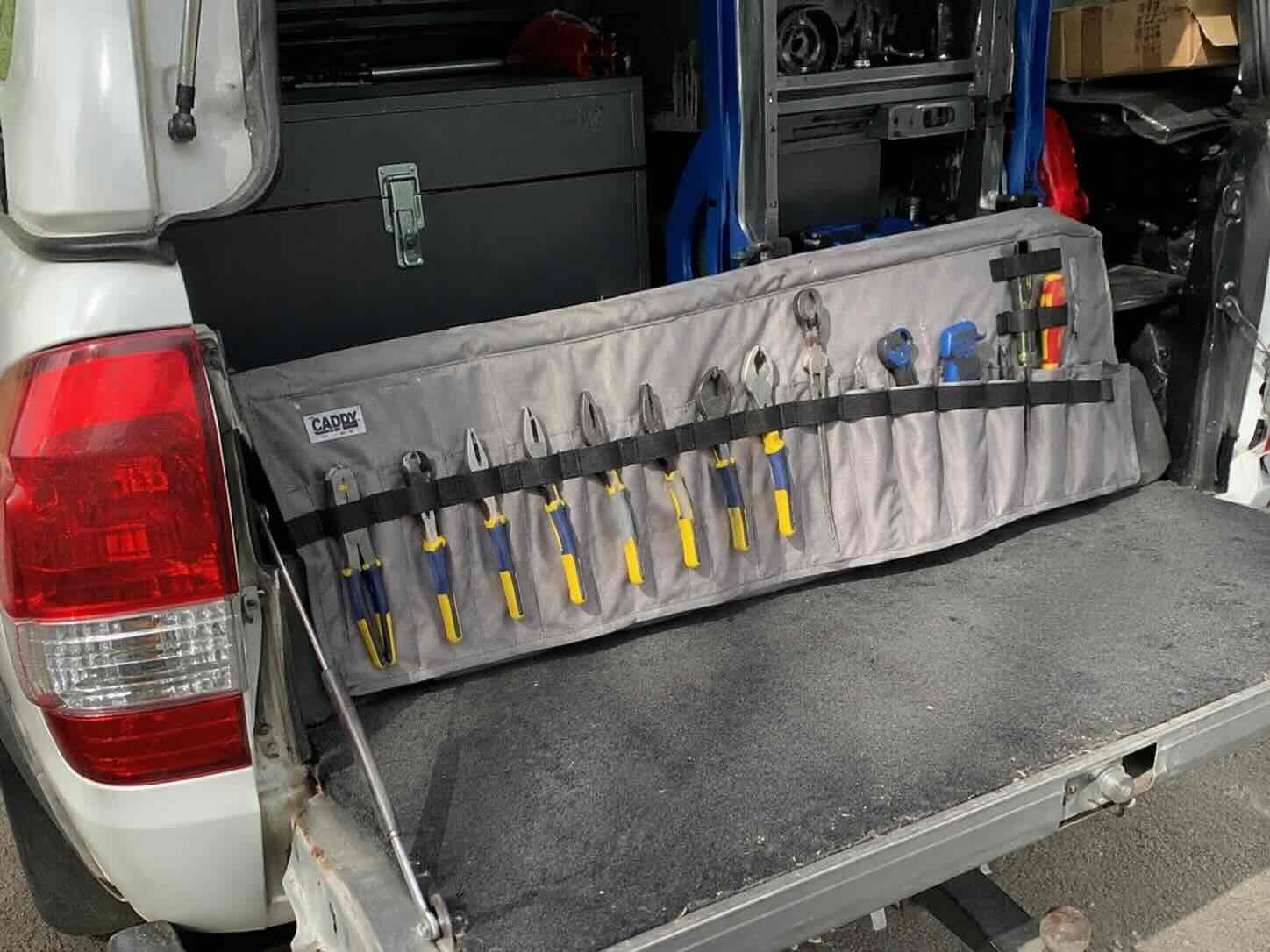
- Tools stored in vehicles, trailers, workshops, depots or at worksites may be covered where those locations and storage arrangements are declared and accepted.
- High-Value tools or specialist equipment may need to be identified separately where a policy applies individual item limits.
- Commercial Vehicle Insurance does not automatically mean the tools carried inside the vehicle are insured.
- Mobile plant, attachments and hired-in machinery may require Contractor Plant and Machinery Insurance or another policy section rather than standard tools cover.
- Cover is subject to policy terms, conditions, limits, exclusions and insurer acceptance.
Start with a Complete Tool and Equipment Register
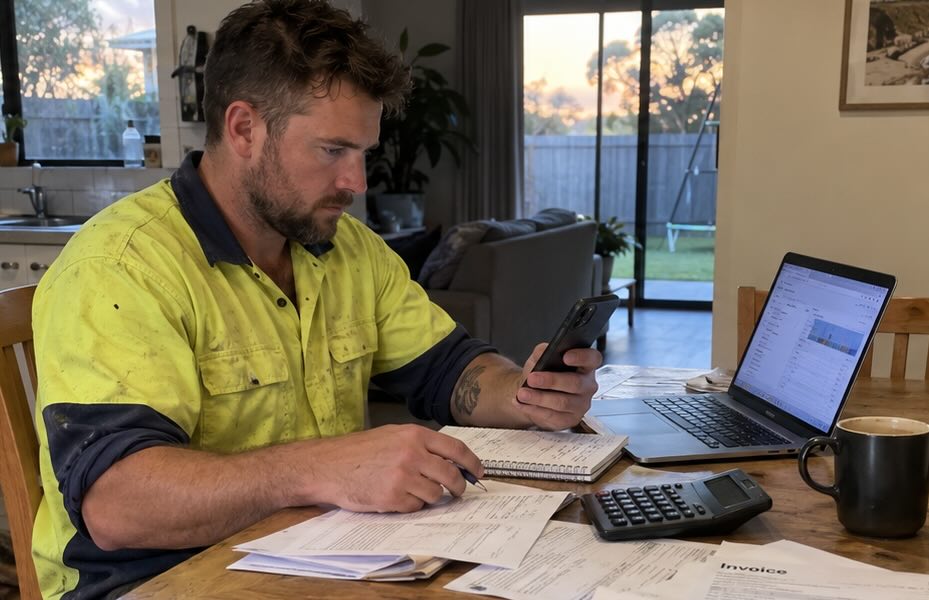
A tool register gives you a practical starting point for working out what property needs to be insured and the values that need to be declared.
Check your ute, van, trailer, workshop, shed and other regular storage locations. Include smaller items as well as expensive equipment. Batteries, chargers, leads, cases, attachments and hand tools can add significantly to the cost of replacing a complete work setup.
For each item or group of items, record:
- The type of tool or equipment
- Brand and model
- Serial number, where available
- Purchase date
- Purchase price, if known
- Current estimated replacement value
- Where the equipment is normally stored
- Whether the business owns, hires, leases or borrows it
- Photographs of higher-value items
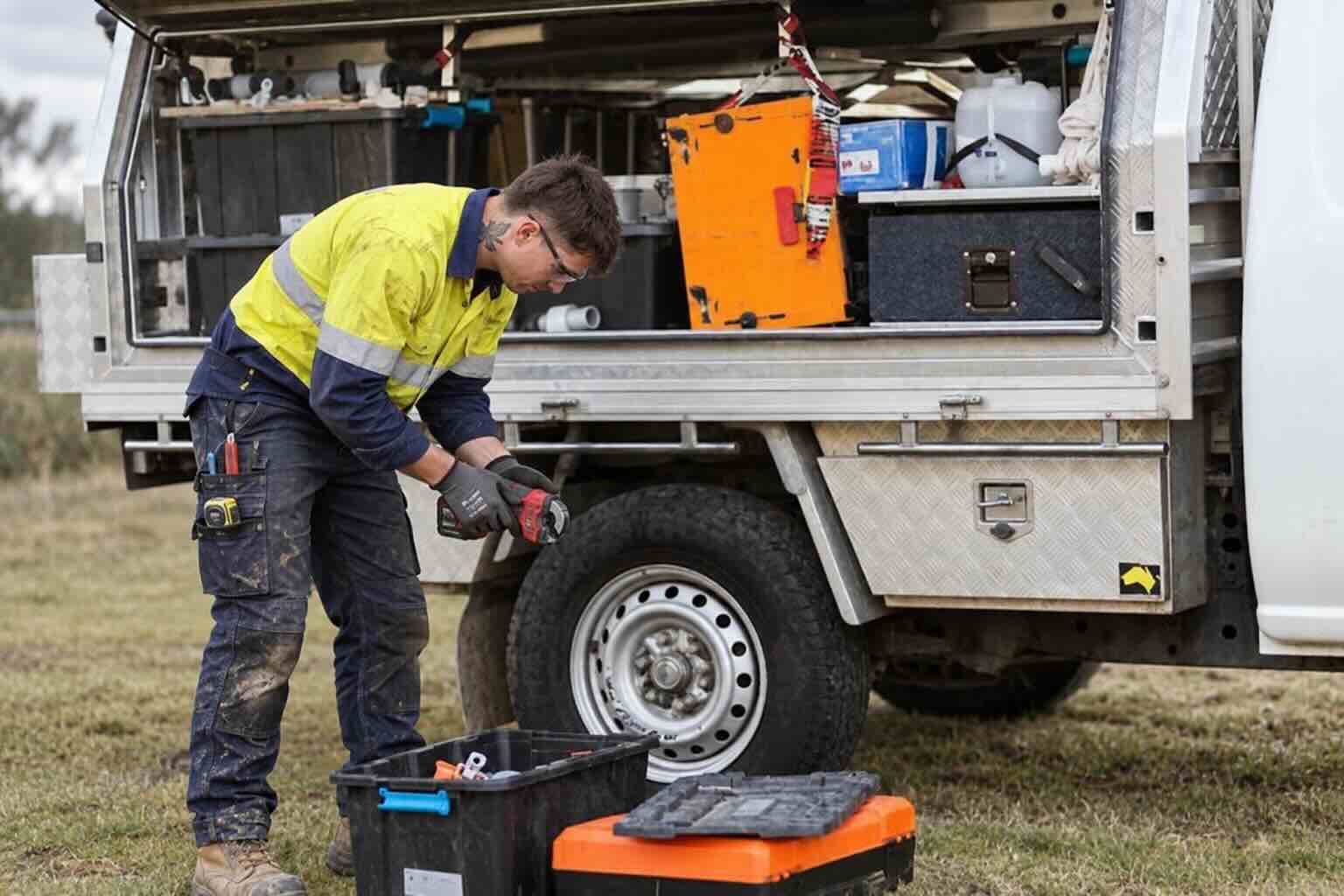
An electrician’s register may include power tools, testing and measuring equipment, ladders and portable electrical equipment. A plumber may have press tools, drain cameras, leak detection equipment and portable machinery. A carpenter may carry saws, nail guns, lasers, batteries and a large collection of hand tools.
The aim is to document the property your business uses rather than estimating the total value from memory.
Separate Tools from Vehicles, Plant and Fixed Business Property
Not every business asset is necessarily insured under the same policy section. Portable tools, a work ute, an excavator and equipment stored permanently at a workshop can create different insurance requirements.
The appropriate policy structure depends on the property, business activities, locations and insurer acceptance. One policy should not be assumed to cover every business asset.
This distinction is particularly relevant when tools travel inside a work vehicle. Insuring the vehicle itself should not be treated as confirmation that the tools, stock or portable equipment inside the vehicle have the same cover.
What Can Property &Amp; Tools Insurance Cover?
Property & Tools Insurance May help cover insured portable tools and equipment used by a trade business, subject to the selected policy.
Depending on the policy and insurer acceptance, cover may be available for:
- Hand tools and power tools
- Testing, measuring and diagnostic equipment
- Portable trade machinery and site equipment
- Safety equipment, signage and barriers
- Laptops, tablets and portable electronic equipment used for work, where included
- Tools and equipment stored in vehicles or trailers, where declared and accepted
- Multiple tool kits used by different crews
- Equipment stored across workshops, depots, vehicles and worksites
- Hired-In or borrowed equipment, where available and accepted
The insured events can also differ. Depending on the policy, cover may respond to theft, accidental damage, fire, storm or other listed events.
The policy schedule and wording confirm which property, locations and events have actually been insured.
Is Tools Insurance the Same as General Property Insurance?
Tools insurance is often used as a plain-English description for insurance covering portable business tools and equipment. Insurers may instead call the cover General Property Insurance, portable equipment insurance or tools of trade insurance.
The policy name does not determine the cover
Tool insurance Commonly describes the practical purpose of the cover, while General Property Insurance is a term insurers may use for portable business property cover. The insured property, events, locations, limits and exclusions in the policy schedule and wording determine the actual scope of cover.
For more detail on the terminology, read our guide on Tools of trade insurance.
Check Individual Item Limits for Expensive Equipment
The overall sum insured is not the only limit worth checking. Some policies also place a maximum amount on individual items or groups of property.
This can matter if your business uses higher-value equipment such as:
- Diagnostic or testing equipment
- Thermal imaging cameras
- Drain inspection cameras
- Laser measuring or surveying equipment
- Specialist electronic tools
- High-Value portable machinery
Some insurers allow lower-value equipment to sit within a general or unspecified property limit while requiring higher-value items to be individually listed on the policy schedule. The terminology and thresholds differ between insurers.
Do not assume that increasing the overall sum insured also increases every individual item limit. Check both the total sum insured and any item or category limits that apply.
Check Where Your Tools Are Covered
Tradies often move tools between vehicles, client properties, worksites, workshops and temporary storage locations. The insurance needs to reflect where the equipment is actually used and kept.
Depending on the insurer, relevant locations may include:
- A locked ute or van
- A permanently fitted toolbox or canopy
- A trailer
- A workshop or depot
- A garage or storage shed
- A construction or commercial worksite
- A temporary project location
- Remote or FIFO work locations, where accepted
Tell the broker or insurer about the normal storage arrangements when requesting cover. Territorial limits, overnight storage requirements and other conditions may apply.
Does Tool Insurance Cover Theft from a Vehicle?
Property & Tools Insurance may cover insured equipment stolen from a vehicle or trailer where the relevant theft cover applies and the policy’s security and storage conditions have been met.
Policies can treat vehicle theft differently. Depending on the wording, conditions may relate to:
- Whether the vehicle was locked
- Whether the tools were secured inside a toolbox, canopy or cargo area
- Whether the vehicle was unattended
- Where the vehicle was parked
- Overnight storage
- Evidence of forcible or violent entry
Forcible entry should not be treated as one universal rule for every tools policy. Some policies impose that condition for particular theft situations while other policy structures can differ.
Check the actual theft conditions before relying on cover for tools stored overnight in a ute, van or trailer.
What About Tools Stored at a Worksite?
Tools and portable equipment used at worksites may be covered where the location and use fall within the policy terms.
Restrictions can apply to unattended equipment, property left in the open air, temporary storage areas and equipment left on site overnight. Site security requirements can also differ between insurers.
If your business regularly leaves equipment at construction sites, commercial premises, shutdowns, mine sites or other project locations, disclose those arrangements when requesting cover.
Can Hired or Borrowed Equipment Be Insured?
Hired-In, leased or borrowed equipment may be included where the relevant cover is available, declared and accepted by the insurer.
Check whether the equipment belongs under Property & Tools Insurance or another policy section. Larger hired machinery or mobile plant may require Contractor Plant and Machinery Insurance rather than standard portable tools cover.
You should also check the hire agreement because your contractual responsibility for damaged or stolen equipment may differ from the amount or events insured under the policy.
Check the Events the Policy May Respond To
Property & Tools Insurance does not necessarily provide the same insured events across every insurer.
Depending on the policy, cover may respond to events such as:
- Theft, subject to applicable security conditions
- Accidental damage
- Fire
- Storm
- Loss of insured portable property, where included
- Damage while equipment is away from the main business premises, where covered
Check the policy wording rather than assuming that an event is covered because the property itself appears on the policy schedule.
Accidental Damage and Mechanical Breakdown Are Different
Damage caused by an accident should not be treated as the same thing as a tool failing because of an internal mechanical or electrical problem.
For example, damage to an insured saw after it is dropped may fall within accidental damage cover, depending on the policy wording. A motor that fails because of an internal mechanical fault may fall outside standard General Property cover unless an applicable machinery breakdown section or extension has been arranged.
The cause of the damage and the relevant policy wording determine whether the insurer may respond.
Check Exclusions, Limits and Excesses
Before arranging cover, review the restrictions as well as the listed insured property.
Depending on the policy, exclusions or limitations may apply to:
- Wear and tear
- Gradual deterioration
- Rust, corrosion or poor maintenance
- Mechanical, electrical or electronic breakdown where separate cover has not been included
- Unattended equipment
- Property left in the open air
- Theft where applicable security conditions have not been met
- Unexplained disappearance
- Items exceeding applicable individual item limits
- Hired, leased or borrowed equipment that has not been included
An Excess is the amount you may need to contribute towards an accepted claim. The amount can vary by policy and sometimes by the type of claim.
A policy may also contain sub-limits for certain property, locations or insured events even where the overall sum insured is higher.
How to Insure Your Tools in Four Steps
Once you know what property the business uses and where it is kept, you can provide the information needed to compare available insurance options.
How to arrange tools cover
Step 1
List your property
Record the tools, equipment, electronics and other portable business property you want the insurer to consider.
Step 2
Work out the values
Estimate current replacement values and identify higher-value equipment that may need separate listing or consideration.
Step 3
Explain how the equipment is used
Provide accurate details about vehicles, trailers, worksites, workshops, overnight storage and hired equipment.
Step 4
Review the available terms
Compare the insured property, events, excesses, item limits, storage conditions and exclusions before requesting cover.
Cover applies only where insurance has been arranged and remains subject to insurer acceptance and the applicable policy terms, conditions, limits and exclusions.
How Much Tool Insurance Should You Consider?
The amount of cover to consider depends on the equipment your business wants insured.
A useful starting point is the current cost of replacing the property you want included. The amount originally paid several years ago may no longer reflect the cost of buying equivalent equipment.
Include the smaller parts of a tool setup as well as the expensive items. Batteries, chargers, hand tools, cases, test equipment and accessories can add significantly to the total value across one or more vehicles.
Also check whether the insurer uses replacement value, indemnity value, market value or another settlement basis for the relevant property. The amount payable for an accepted claim depends on the applicable policy wording, sum insured, item limits, excess and settlement terms.
What Affects the Cost of Tool Insurance?
Tool insurance premiums depend on the property being insured and the way the business operates.
An insurer may consider factors including:
- The total amount of property to be insured
- The type and value of individual tools and equipment
- The trade and declared business activities
- Where equipment is used and stored
- Vehicle, trailer, toolbox and premises security
- Work locations and geographic exposure
- Hired, leased or borrowed equipment
- Previous claims
- The excess selected
- Optional extensions or additional sections requested
Two businesses with a similar total equipment value can receive different premiums or terms because insurer assessment also considers how and where the property is used and stored.
Keep Evidence of the Tools Your Business Owns
Records can help establish ownership and value if an insured item is later lost, stolen or damaged.
Useful records can include:
- Purchase receipts and supplier invoices
- Serial numbers
- Photographs
- Equipment registers
- Finance or lease documents
- Service or maintenance records where relevant
The insurer determines what evidence it requires when assessing a claim.
Keep a copy of your tool register and supporting records separately from the tools themselves. Digital records can be useful where equipment and paperwork are stored at the same premises or in the same vehicle.
What Should You Do if Your Tools Are Stolen or Damaged?
Take reasonable steps to prevent further loss and record the circumstances of the incident.
For theft, notify the police where appropriate and retain any report or incident number. Photograph damage to locks, windows, doors, trailers or toolboxes where it is safe to do so.
You may also need to:
- Prepare a list of the missing or damaged property.
- Gather receipts, photographs, serial numbers and other ownership records.
- Record when and where the incident occurred.
- Keep repair quotations or other documents requested by the insurer.
- Notify All Trades Cover or the insurer in accordance with the policy requirements.
All Trades Cover can support clients through the claims process, including assistance with insurer correspondence and documentation. The insurer assesses each claim against the applicable policy wording and circumstances and determines the claim outcome.
Existing clients can also access our Claims information and forms.
Review Your Tools Cover When Your Business Changes
Changes to equipment, crews, storage locations or work arrangements may affect the information your insurer needs.
Review your tools cover when you:
Changes to your equipment, storage or operations may need to be disclosed to your broker or insurer.
Buy higher-value tools, testing equipment or electronics.
Add another ute, van, trailer or mobile toolbox.
Change where equipment is kept overnight.
Start working at remote, FIFO or temporary project locations.
Add employees or crews who use business-owned equipment.
Start hiring, leasing or borrowing equipment.
Move into a workshop, depot or different storage location.
Find that current replacement values have increased.
A change does not automatically mean additional cover is required. Review the change against the current policy terms, conditions, limits and exclusions and provide updated information where required.
Tools Insurance FAQs
Can I Insure My Work Tools?
Property & Tools Insurance may cover eligible hand tools, power tools, testing equipment and other portable business equipment, subject to the property being declared or otherwise included under the policy.
Can I Insure Tools Kept in My Ute or Van Overnight?
Tools stored in a ute or van may be covered where the applicable policy includes that theft exposure and the relevant storage and security conditions have been met.
Conditions may relate to locked vehicles, toolboxes, canopies, overnight storage, unattended vehicles and evidence of forcible entry. The requirements depend on the insurer and policy wording.
Are Tools Covered by Commercial Vehicle Insurance?
Commercial Vehicle Insurance does not automatically cover portable tools or equipment carried inside the insured vehicle.
Tools may require separate Property & Tools Insurance or another applicable business insurance section.
Are Work Tools Covered by Home Contents Insurance?
Do not assume a personal home or contents policy covers equipment used for business purposes.
Business property can be restricted or excluded under personal insurance policies. Check the applicable home or contents policy wording and disclose business use where required.
Do Expensive Tools Need to Be Listed Separately?
They may. Some insurers apply a maximum value to individual unspecified items and require equipment above that limit to be identified separately on the policy schedule.
The limits and terminology vary between insurers, so check how higher-value equipment is treated before arranging cover.
Can Hired Tools or Equipment Be Included?
Hired-In or borrowed equipment may be included where the insurer offers that cover and the equipment and use have been declared and accepted.
Larger machinery or mobile plant may require separate Contractor Plant and Machinery Insurance.
Does Tool Insurance Cover Accidental Loss?
Some General Property or portable equipment policies may cover accidental loss, while other policies provide cover for a narrower range of insured events.
Check the applicable policy wording rather than assuming accidental loss is included.
Does Tool Insurance Cover Mechanical Breakdown?
Mechanical or electrical breakdown should not be assumed to form part of standard Property & Tools Insurance.
Depending on the equipment and insurer, machinery breakdown cover may need to be arranged under a separate policy section or extension.
Can Tools Used by Several Employees Be Insured?
Tools and equipment used by multiple crews may be covered where the property, business activities and arrangements have been declared and accepted.
Employee-Owned, subcontractor-owned and business-owned equipment can be treated differently, so ownership should be disclosed where relevant.
Can Tools Be Covered at Remote or Fifo Worksites?
Tools used at remote, mobile or FIFO work locations may be covered where those locations fall within the policy’s territorial scope and the insurer has accepted the applicable business activities and storage arrangements.
Do not assume that every tools policy applies at every project location.
How Often Should I Update My Tool Register?
Update your register when the business buys, sells or replaces significant equipment and review the values before renewal.
You should also review the policy during the insurance period if there is a material change to the equipment, storage arrangements or business activities.
Review Your Property & Tools Insurance Options
Insuring your tools starts with knowing what the business owns, what the equipment would cost to replace, where it is kept and how it moves between jobs.
All Trades Cover is a specialist insurance brokerage for trades, construction, mining and heavy industry. We can help compare available Property & Tools Insurance Options and explain relevant insured events, limits, excesses, storage conditions and exclusions.
Contact All Trades Cover to discuss available insurance options for your tools and equipment.
This information is general only and does not take into account your objectives, financial situation or needs. Cover is subject to policy terms, conditions, limits, exclusions and insurer acceptance.
![How Much Does Public Liability Cost for a Sole Trader? [Tradie Guide]](https://www.alltradescover.com.au/wp-content/uploads/2026/07/public-liability-cost-sole-trader.jpg)
































![What Insurance Does a Sole Trader Need? [Guide for Tradies]](https://www.alltradescover.com.au/wp-content/uploads/2020/06/what-insurance-does-sole-trader-need.jpg)