



Updated: May 2026
What insurance does a small business need? The answer depends on the type of work you do, your business structure, your contracts, whether you employ staff, and the assets you rely on to operate. For many small businesses, common cover types may include Public Liability Insurance, Property and Tools Insurance, Business Package Insurance, Workers Compensation Insurance, Commercial Vehicle Insurance, Personal Accident and Illness Insurance, Professional Indemnity Insurance and Business Interruption Insurance.
Small business insurance is not one standard policy. A sole trader working on-site has different risks to a shop owner, consultant, builder, cleaner, landscaper, plant operator or office-based business. The right setup should reflect your work, your legal obligations, your client requirements and the financial risks your business could face.
Quick Summary
- A small business may need several types of insurance, depending on its industry, contracts, staff, assets and operating risks.
- Public Liability Insurance is commonly required when a business interacts with clients, customers, suppliers, contractors or members of the public.
- Property and Tools Insurance can help cover business assets such as tools, office equipment, stock, machinery and portable equipment where included under the policy.
- Workers Compensation Insurance is generally required when a business employs workers, but requirements vary by state and territory.
- Professional Indemnity Insurance may be relevant for businesses that provide advice, design, reports, consulting or professional services.
- Cover is subject to policy terms, conditions, limits, exclusions and insurer acceptance.
Why Small Business Insurance Matters
Small business insurance can help manage financial exposure when something goes wrong. This may include damage to a client’s property, injury to a third party, theft of tools, damage to stock, a vehicle accident, an employee injury or a claim connected to professional advice.
For many small businesses, insurance is also a practical requirement. A client, builder, landlord, lender, council, principal contractor or site manager may ask for proof of insurance before allowing the business to start work, lease premises, enter a site or sign a contract.
The aim is not to buy every policy available. The aim is to identify the cover types that align with your business risks and contract requirements.
Start With Your Business Risks
The best way to work out what insurance a small business needs is to start with how the business operates.
Ask the following questions:
- Do you work at client homes, commercial sites, construction sites or mine sites?
- Do customers, suppliers or members of the public visit your premises?
- Could your work cause injury to another person?
- Could your work damage someone else’s property?
- Do you own tools, stock, machinery, computers or other business property?
- Do you use a ute, van, truck or other vehicle for work?
- Do you provide advice, designs, consulting, inspections or reports?
- Do you employ staff, apprentices, working directors, labour hire or subcontractors?
- Do your contracts require specific insurance limits or Certificates of Currency?
- Could your business keep operating if your premises, tools, stock or vehicle were damaged?
Your answers will help narrow down which policy types may be relevant.
Public Liability Insurance
Public Liability Insurance can help cover legal costs and compensation claims if your business is alleged to have caused injury to another person or damage to third-party property.
This is one of the most common types of insurance for small businesses, especially where the business works with clients, customers, contractors, suppliers or the public.
Public Liability Insurance may be relevant for:
- Tradies and subcontractors
- Builders and construction businesses
- Cleaning businesses
- Landscapers and gardeners
- Retail shops
- Hospitality businesses
- Mobile service providers
- Consultants who visit client sites
- Event, market or stall operators
For example, if a painter spills paint on a client’s carpet, or a customer trips over equipment at a worksite, Public Liability Insurance may respond where the claim falls within the policy terms.
Public Liability Insurance is often required under commercial leases, trade contracts, council permits and site access rules. The required limit may vary depending on the work, client and contract.
Property and Tools Insurance
Property and Tools Insurance can help cover physical business assets such as tools, office contents, stock, machinery, computers and portable equipment where included under the policy.
This cover may be relevant if your small business relies on:
- Hand tools and power tools
- Portable equipment
- Office furniture and computers
- Stock and materials
- Machinery and workshop equipment
- Mobile devices and laptops
- Fixtures and fittings
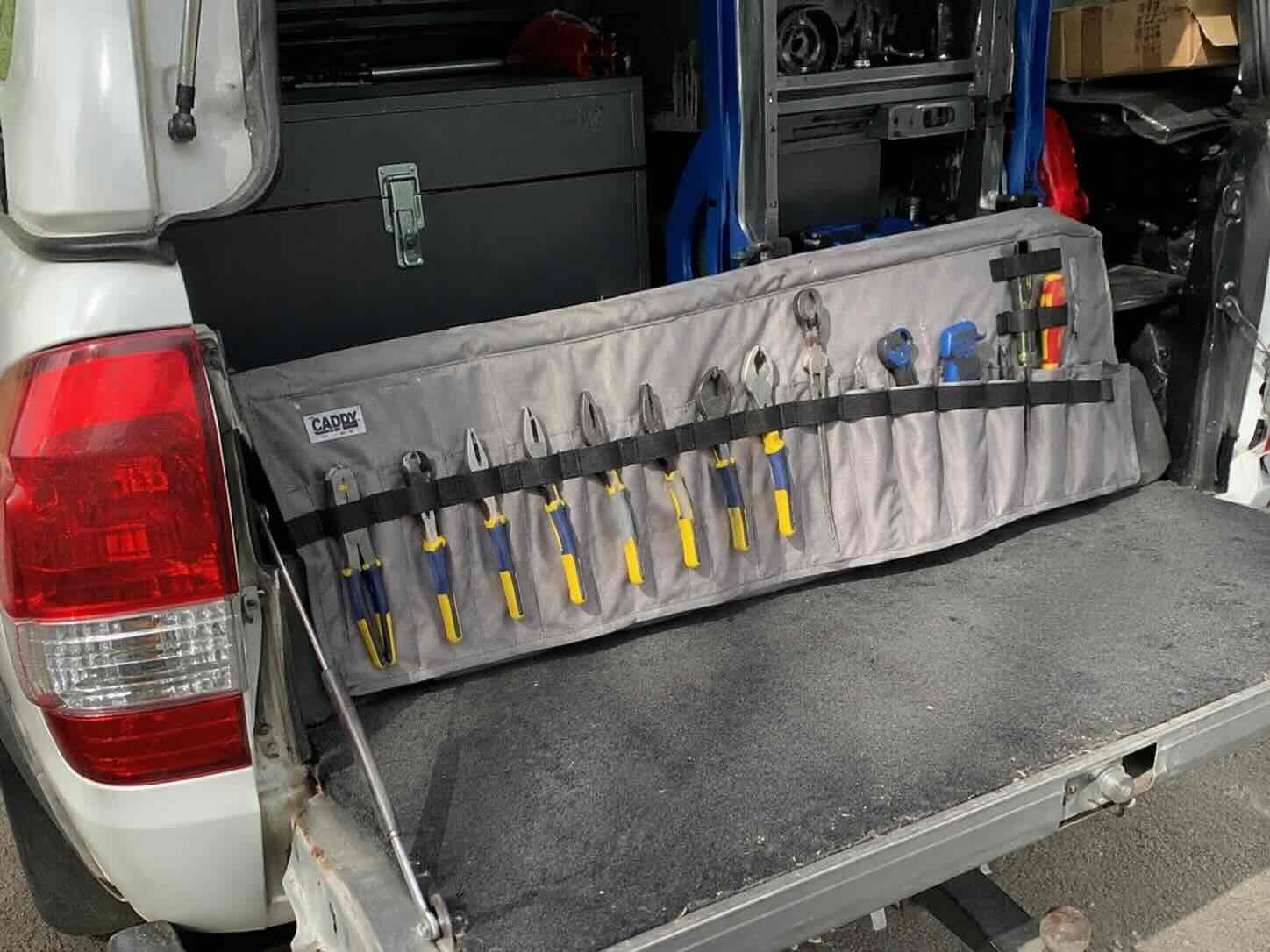
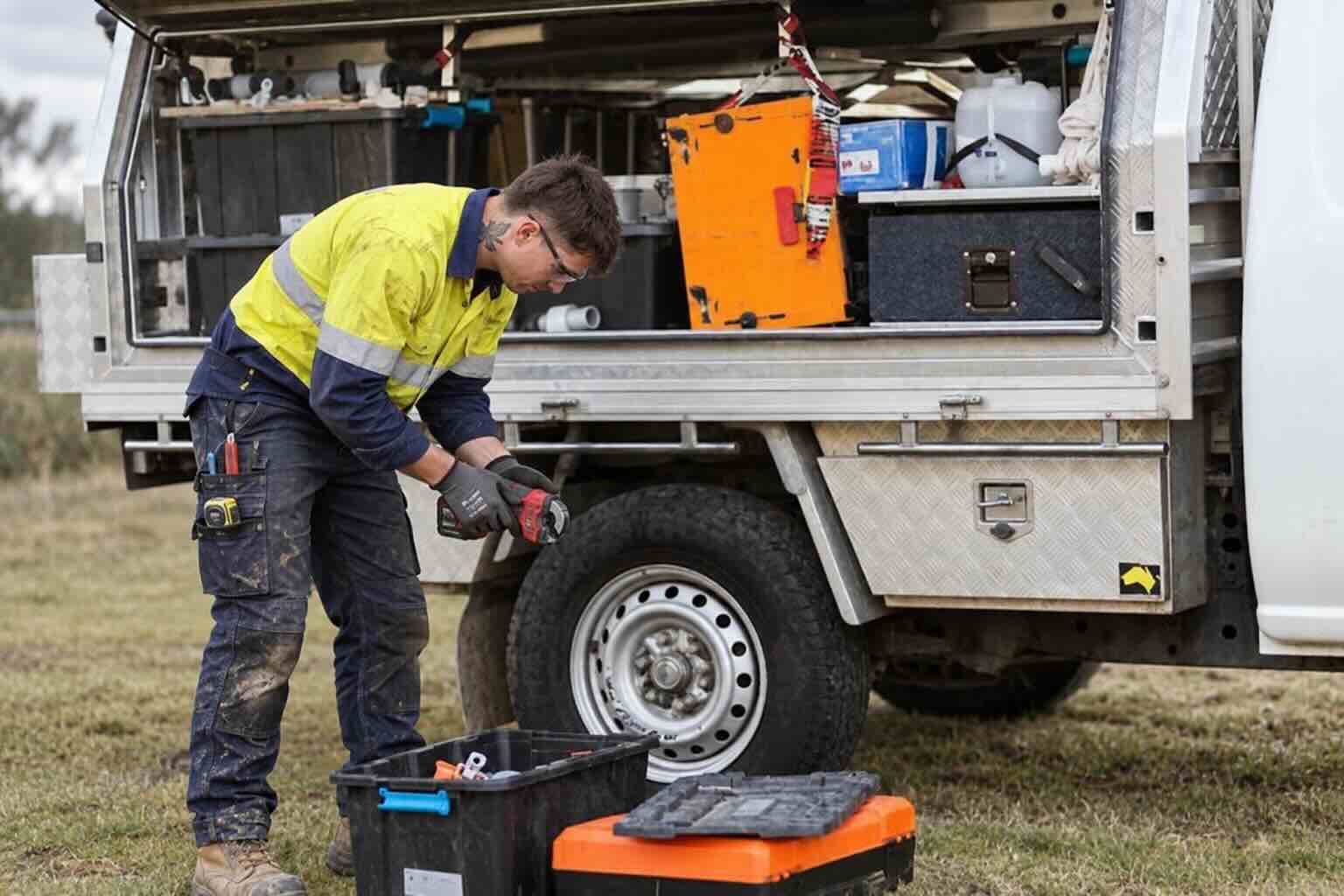
For trade businesses, tools are often central to earning income. If tools are stolen from a vehicle, damaged in a fire or lost due to an insured event, the right cover may help with replacement costs, subject to policy limits and conditions.
Policy details matter. Some policies may only cover tools at a listed address, while others may offer portable cover. Storage requirements, locked vehicle conditions, proof of ownership and sub-limits should be checked carefully.
Business Package Insurance
Business Package Insurance can combine several selected cover sections under one policy. It is commonly used by small businesses that operate from a shop, office, warehouse, workshop or commercial premises.
A Business Package Insurance policy may include selected sections such as:
- Property damage
- Theft
- Glass
- Business interruption
- Public liability
- Money
- Electronic equipment
- Machinery breakdown
- General property or portable equipment
For example, a small workshop may need cover for tools, machinery, office equipment, stock, glass and Public Liability Insurance. A business package may help bring several of these cover areas together, depending on the policy selected.
Workers Compensation Insurance
Workers Compensation Insurance is generally required when a business employs workers. It can help cover statutory benefits for employees who suffer work-related injuries or illnesses, subject to the applicable scheme and legislation.
Workers Compensation Insurance requirements vary by state and territory. The rules can also depend on whether the business uses employees, apprentices, working directors, contractors, subcontractors or labour hire.
All Trades Cover can only offer Workers Compensation Insurance in WA due to licensing restrictions. Businesses operating outside WA should check the relevant state or territory workers compensation authority.
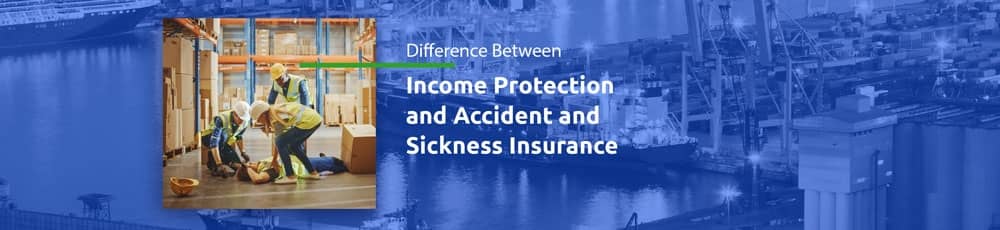
Workers Compensation Insurance is different from Personal Accident and Illness Insurance. Workers Compensation Insurance is generally linked to employees and statutory obligations. Personal Accident and Illness Insurance may be considered by sole traders, contractors and working business owners who are not covered as workers under a workers compensation scheme.
Personal Accident and Illness Insurance
Personal Accident and Illness Insurance can help provide a weekly benefit if an insured person is unable to work due to an eligible accident or illness, subject to the policy wording.
This may be relevant for sole traders, working directors and small business owners whose income depends heavily on their ability to keep working.
For example, if a self-employed landscaper cannot work after an injury, the business may lose income quickly. Personal Accident and Illness Insurance may help support income during recovery, subject to waiting periods, benefit periods, exclusions and insurer assessment.
Business Interruption Insurance
Business Interruption Insurance can help cover lost income and certain ongoing expenses if your business is interrupted by an insured event, such as fire, storm or other covered property damage.
This may help with costs such as:
- Lost gross profit or revenue, depending on the policy basis
- Rent or lease payments
- Wages for key staff
- Temporary relocation costs where included
- Other fixed operating expenses listed in the policy
Business Interruption Insurance does not cover every interruption or slowdown. It usually needs to be linked to an insured event under the policy. The indemnity period, insured amount and policy wording should be reviewed carefully.
Commercial Vehicle Insurance
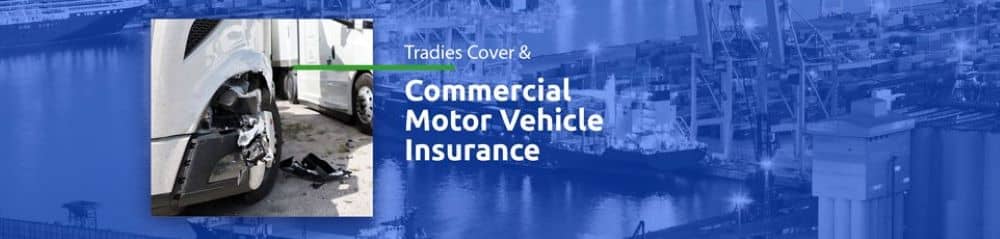
Commercial Vehicle Insurance can help cover vehicles used for business purposes, such as utes, vans, trucks and other registered vehicles.
This may be relevant if your small business uses vehicles to:
- Travel between job sites
- Carry tools and materials
- Deliver products
- Visit clients
- Transport staff or subcontractors
- Operate mobile services
If a vehicle is mainly used for business, private-use motor insurance may not be suitable. The vehicle’s business use should be disclosed clearly when arranging cover.
Professional Indemnity Insurance
Professional Indemnity Insurance can help cover claims arising from professional advice, design, consulting, reporting or services where a client alleges financial loss caused by an error, omission or breach of professional duty.
This may be relevant for small businesses such as:
- Consultants
- Engineers
- Designers
- Drafting businesses
- Project managers
- IT providers
- Building consultants
- Inspectors
- Advisory businesses
Professional Indemnity Insurance is not the same as Public Liability Insurance. Public Liability Insurance generally relates to third-party injury or property damage. Professional Indemnity Insurance generally relates to professional advice, design or service-based claims.
Contract Works Insurance
Contract Works Insurance can help cover building or construction works in progress against insured events such as fire, storm, theft, vandalism or accidental damage, depending on the policy.
This may be relevant for builders, contractors, renovators, fit-out businesses and construction businesses that are responsible for work before completion.
Contract Works Insurance should be structured around the project value, contract terms, construction type, site conditions, project duration, materials and responsibilities of each party.
Plant and Machinery Insurance
Plant and Machinery Insurance can help cover mobile plant and machinery used in construction, civil, earthmoving, mining and trade work.
This may include equipment such as:
- Excavators
- Skid steers
- Loaders
- Forklifts
- Mobile cranes
- Generators
- Compressors
- Other insured plant and equipment
Plant and Machinery Insurance should be set up around how the equipment is used. Wet hire, dry hire, road registration, underground work, transport, on-site use and hiring arrangements can all affect cover.
Cyber Insurance
Cyber Insurance can help cover certain costs connected to cyber incidents, data breaches, ransomware, business interruption and recovery expenses, depending on the policy.
This may be relevant if your small business:
- Stores customer data
- Uses cloud software
- Runs online booking or payment systems
- Uses email invoicing
- Stores payroll or employee information
- Operates an eCommerce website
- Relies on digital systems to trade
Small businesses can be exposed to invoice fraud, email compromise, malware, ransomware and accidental data loss. Cyber Insurance should be considered alongside practical cyber security controls.
Management Liability Insurance
Management Liability Insurance can help cover claims connected to how a business is managed, rather than the trade work or service itself.
This may become more relevant as a small business grows, employs staff, manages workplace obligations or takes on more formal management responsibilities.
Cover can include sections such as:
- Directors and Officers Liability
- Employment Practices Liability
- Statutory Liability
- Crime cover
- Tax audit costs where available
This type of cover is commonly considered by businesses with directors, employees, management responsibilities and growing operational risk.
What Insurance Does a Sole Trader Need?
A sole trader may need Public Liability Insurance, Property and Tools Insurance, Commercial Vehicle Insurance, Personal Accident and Illness Insurance and Professional Indemnity Insurance, depending on the work performed.
Sole traders should consider whether they:
- Work at client sites
- Own tools or equipment
- Use a vehicle for work
- Provide advice or professional services
- Need proof of insurance for contracts
- Would lose income if unable to work
Sole traders often assume they are automatically covered under a client’s or head contractor’s insurance. This is not always the case. Independent contractors commonly need their own cover to meet site, client or contract requirements.
What Insurance Does a Trade Business Need?
A trade business may need several policies, depending on the trade, business size, tools, vehicles, contracts and workforce.
Common cover types for tradies include:
- Public Liability Insurance
- Property and Tools Insurance
- Commercial Vehicle Insurance
- Personal Accident and Illness Insurance
- Workers Compensation Insurance, where employees are engaged
- Contract Works Insurance, where construction projects are involved
- Professional Indemnity Insurance, where advice, design or certification is provided
All Trades Cover works with many trade businesses, including electricians, plumbers, carpenters, builders, roofers, concreters, earthmoving contractors and other trade operators.
What Insurance Does an Office-Based Small Business Need?
An office-based small business may still need insurance, even if the work seems lower risk than site-based trade work.
Common cover types may include:
- Public Liability Insurance for clients, visitors or rented premises
- Business Package Insurance for office contents, glass, theft and business interruption
- Professional Indemnity Insurance for advice, consulting or service-based work
- Cyber Insurance for data, email systems, client records and digital operations
- Workers Compensation Insurance where employees are engaged
- Management Liability Insurance where the business has directors, staff or management risks
The right cover depends on the service provided, lease conditions, staff structure and client contracts.
How Much Small Business Insurance Do You Need?
The amount of small business insurance you need depends on your contract requirements, assets, revenue, staff, operating risks and potential claim exposure.
Common factors include:
- The type of work you perform
- Your industry risk level
- Your annual turnover
- The value of tools, stock, plant, vehicles and equipment
- Your lease obligations
- Whether you employ staff
- Whether you use subcontractors
- Your client and contract requirements
- Your claims history
- The policy limits requested by clients or site managers
For example, a small handyman business may have different insurance needs from a civil contractor with plant, employees, commercial vehicles and large project contracts.
When Should a Small Business Review Insurance?
A small business should review insurance whenever its work, contracts, assets, staff or risk profile changes.
Review your cover when you:
- Start a new contract
- Hire staff or apprentices
- Use subcontractors
- Buy new tools, plant, vehicles or equipment
- Move into new premises
- Add a new service
- Increase turnover
- Start working in another state or territory
- Take on larger projects
- Receive new insurance clauses from a client
- Move into commercial, mining, civil or government work
Insurance that suited the business last year may not reflect how the business operates now.
Common Small Business Insurance Mistakes
Small business insurance mistakes often happen when cover is arranged quickly without checking the details.
Common mistakes include:
- Assuming one policy covers every business risk
- Choosing the cheapest policy without checking exclusions
- Insuring the wrong legal entity
- Not listing the correct business activities
- Assuming subcontractors are automatically covered
- Using private car insurance for work vehicles
- Not updating tool or equipment values
- Ignoring contract insurance requirements
- Not arranging Workers Compensation Insurance when employees are engaged
- Letting Certificates of Currency expire
These issues can delay work, affect claims or create problems with clients and contractors.
How a Broker Can Help Small Businesses
An insurance broker can help small businesses understand, compare and arrange insurance options based on their risks and contract requirements.
All Trades Cover can assist with:
- Identifying cover types commonly used by your industry
- Reviewing insurance clauses in contracts
- Comparing policy options from Australian insurers
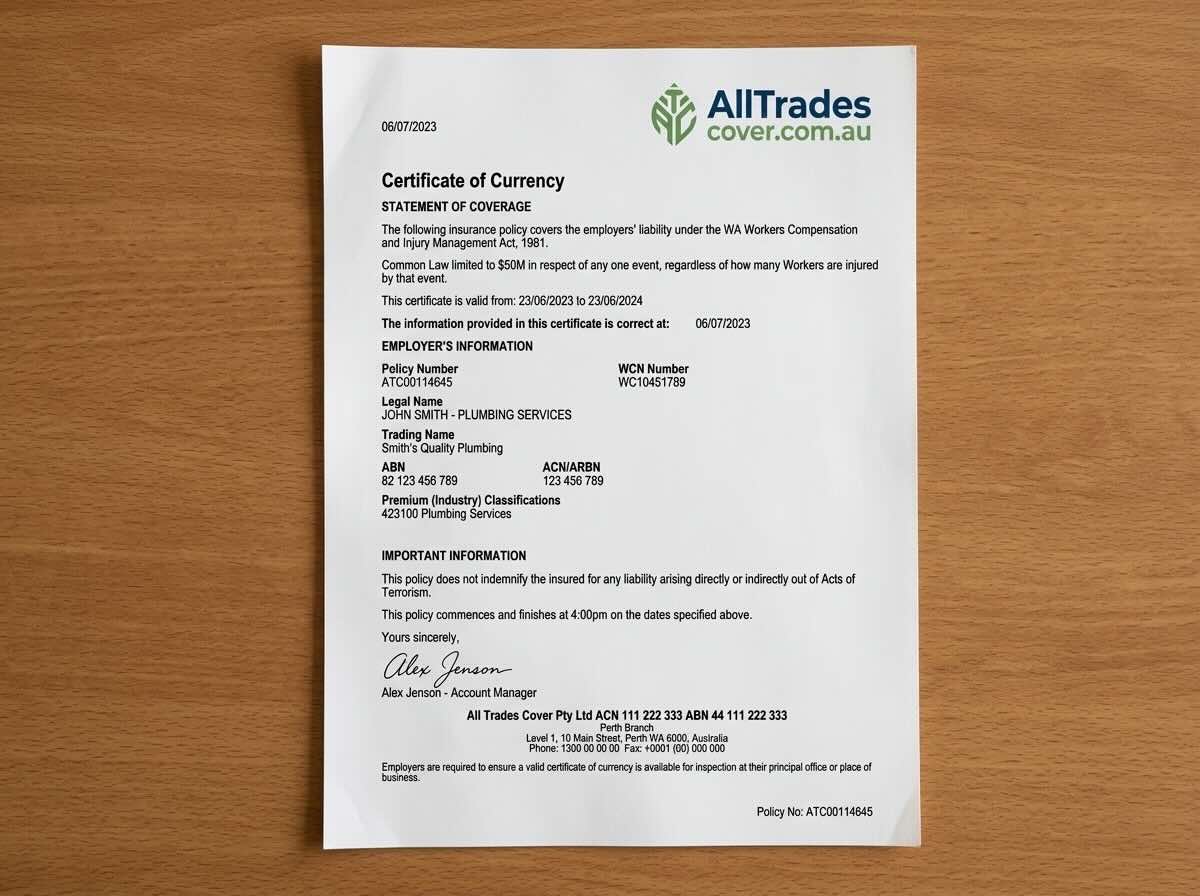
- Arranging Certificates of Currency where available
- Updating policies as your business changes
- Supporting clients through the claims process
- Helping explain policy terms in plain English
A broker does not control claim outcomes. Claims are assessed by the insurer under the policy wording, terms, conditions, limits and exclusions.
Frequently Asked Questions
What Insurance Does a Small Business Need?
A small business may need Public Liability Insurance, Property and Tools Insurance, Business Package Insurance, Workers Compensation Insurance, Commercial Vehicle Insurance, Professional Indemnity Insurance, Personal Accident and Illness Insurance or other cover depending on its work, contracts, assets and staff.
Does Every Small Business Need Public Liability Insurance?
Not every small business is legally required to hold Public Liability Insurance, but it is commonly required by clients, landlords, councils, builders, principal contractors and site managers. It is also widely used by businesses that interact with the public or work on client property.
What Insurance Does a Sole Trader Need?
A sole trader may need Public Liability Insurance, Property and Tools Insurance, Commercial Vehicle Insurance, Personal Accident and Illness Insurance and Professional Indemnity Insurance, depending on the type of work and contract requirements.
Do I Need Workers Compensation Insurance for a Small Business?
Workers Compensation Insurance is generally required when a business employs workers, but rules vary by state and territory. All Trades Cover can only offer Workers Compensation Insurance in WA due to licensing restrictions.
Does Small Business Insurance Cover Tools?
Tools are not automatically covered under every small business insurance policy. You may need Property and Tools Insurance or a business package with portable equipment cover. Storage conditions, limits and exclusions should be checked.
What Is Business Package Insurance?
Business Package Insurance combines selected cover sections under one policy, such as property, theft, glass, business interruption, public liability and other business covers. The sections included depend on the policy chosen.
Do I Need Professional Indemnity Insurance?
You may need Professional Indemnity Insurance if your business provides advice, design, consulting, reports, inspections, project management or professional services. Some contracts also require it before work begins.
Is Personal Accident and Illness Insurance the Same as Workers Compensation?
No. Workers Compensation Insurance generally relates to employees and statutory obligations. Personal Accident and Illness Insurance may help provide income support for sole traders, working directors or self-employed people who cannot work due to an eligible accident or illness.
How Much Does Small Business Insurance Cost?
Small business insurance cost depends on the industry, turnover, staff, assets, vehicles, claims history, cover limits and policy types selected. A trade business with tools and vehicles may have different costs to an office-based consultancy.
Can I Change My Insurance as My Business Grows?
Yes, many policies can be updated as your business changes, subject to insurer approval. You should review your cover when you hire staff, buy assets, take on larger contracts or change business activities.
Speak to All Trades Cover About Small Business Insurance
If you run a small business, All Trades Cover can help you understand the insurance options that may be relevant to your industry, contracts, assets and workforce.
Speak to our team on 1300 826 850, request a quote through our online quote form, or learn more about Business Package Insurance.
General Advice Warning: This information is general only and does not take into account your objectives, financial situation or needs. Cover is subject to policy terms, conditions, limits, exclusions and insurer acceptance. Before deciding whether a policy is suitable, read the relevant policy wording and consider whether the cover meets your circumstances.
![How Much Does Public Liability Cost for a Sole Trader? [Tradie Guide]](https://www.alltradescover.com.au/wp-content/uploads/2026/07/public-liability-cost-sole-trader.jpg)




















![What Insurance Does a Sole Trader Need? [Guide for Tradies]](https://www.alltradescover.com.au/wp-content/uploads/2020/06/what-insurance-does-sole-trader-need.jpg)