



Key Takeaways:
- Welders face risks like burns, fire, and damage to property, so insurance isn’t optional
- Public Liability, Tools Cover, Personal Accident and Workers Comp are the main policies
- Welders who inspect or certify work may also need Professional Indemnity
- Insurers treat welding as high-risk, so having trade-specific cover matters
- The insurance needs for welder trades depend on how and where the work is done
Welders work in some of the most physically demanding conditions on-site. Whether it’s fabrication in a workshop or hot work on a construction project, there are serious risks every time the torch fires up. That’s why the insurance needs for welder businesses are so important to understand. From tool theft to injury claims, the right policy helps protect your livelihood when something goes wrong.
This guide breaks down what cover welders need in Australia, how it applies to real jobs, and where to start if you’re quoting work right now.
The necessary insurance you need as a welder
There’s no one-size-fits-all when it comes to your welders’ insurance cover. The policies you need depend on how you work, where you work, and whether you’ve got a crew backing you up. Here’s a breakdown of the key types of insurance most welders should have.
Public Liability insurance
Public Liability insurance is a core policy for welders and one of the most common types of cover requested by clients or sites. It protects you if your work causes accidental damage to property or injury to someone else. This could include fire damage from sparks, burns, or legal claims made by third parties.
It also helps with legal defence costs, settlement payouts, and site compliance if you’re working under a head contractor or on council or commercial projects.
Personal Accident and Illness insurance
Personal Accident and Illness insurance, also known as Personal Accident insurance, provides financial support if you’re unable to work due to injury or sickness, helping cover essential costs while you recover. As a welder, this is especially important given the physical nature of your work and the likelihood of downtime if something goes wrong.
This cover applies whether the injury happens on the job or outside work hours. It’s a key policy for sole traders or subcontractors who don’t have sick leave.
Workers Compensation
Workers Compensation (Workers Comp) is mandatory if you employ any staff or apprentices. It covers medical expenses, lost wages, and rehabilitation costs if they get injured while working for you.
Each state regulates Workers Comp differently. In WA, the scheme is overseen by WorkCover WA. You’ll need to register and maintain a compliant policy if you’re employing anyone, even part-time or casual workers. Skip it, and you could cop a fine, or be left without cover when you need it most.
Tools and Equipment insurance
Tools and Equipment insurance covers the gear you rely on every day: welders, grinders, PPE, and anything else that helps you get the job done. It protects against theft, fire, and accidental damage whether the gear is on-site, in storage, or in your ute.
It’s one of the most claimed-on policies in the trades, especially for mobile welders working across multiple locations.
Make sure your policy covers tools kept in vehicles overnight and that values are up to date with replacement costs.
Professional Indemnity insurance (for Welding Inspectors)
Professional Indemnity insurance applies to welders who inspect, sign off or supervise work. If your advice or certification leads to a project delay or loss, this policy helps cover legal costs and any claims for damages.
This is especially relevant for welding inspectors, site supervisors, or qualified tradespeople working under a principal contractor, where your advice carries weight.
If you include certification or compliance reports in your work, you may need to include this cover alongside Public Liability.
Commercial Vehicle insurance
Commercial Vehicle insurance covers your ute, van or trailer if it’s used for work. It protects against damage, theft and third-party accidents while you’re on the road, heading to a site or hauling gear.
Not all vehicle policies are created equal; personal car insurance usually won’t cut it if you’re carrying tools, transporting materials or using the vehicle for quoting and job runs. Some policies also cover toolboxes, signwriting, and even provide a hire car if your work vehicle’s off the road after an accident.
If your vehicle is part of how you get the job done, it’s worth making sure it’s insured as part of your business, not just your personal life.
What makes welding high-risk for insurers?
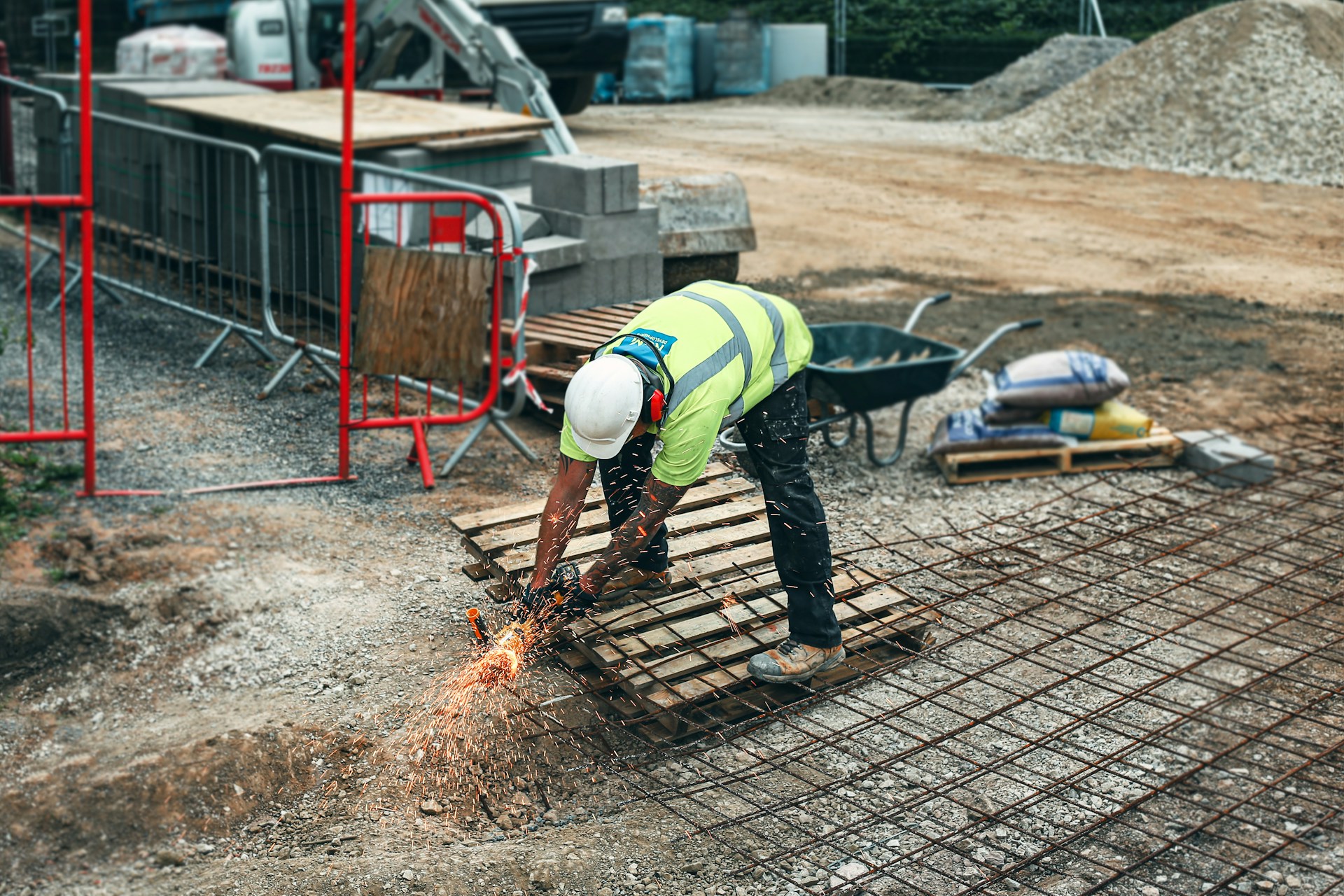
Welding is classed as high-risk by many insurers. You’re working with live flame, on structural steel, and often on active sites. Claims involving fire, injury and damage aren’t rare, which means having a generic business policy doesn’t cut it.
Here’s what insurers consider:
- Fire hazards and burns
- Sparks are damaging nearby structures
- Injury to others from hot work
- Theft of valuable equipment
- Site-specific rules (like hot work permits or cover levels)
That’s why there’s a strong insurance need for welder trades to get tailored cover that reflects the actual risk involved.
Do all welders need the same cover?
Not always. The insurance you need depends on the kind of welding you do, who you do it for, and where you work.
- Workshop welders: Often need strong Tools and Liability cover, especially if clients visit the site or gear is stored on-premises.
- Site-based welders: May need higher liability limits and Workers Comp, especially if working under larger contracts or around other trades.
- Mobile welders: Should consider additional cover for equipment kept in utes, trailers or on the move. Subcontractor cover is also common.
- Interstate operators: Should check if policies include national coverage or if state-specific rules apply (especially for Workers Comp).
Quick summary of what’s covered
Not sure what each type of cover actually does for welders? Here’s a quick side-by-side to make it easier.
| Cover type | What it protects | Common add-ons or notes |
|---|---|---|
| Public Liability | Injury or property damage to third parties | Principal’s indemnity, site-specific |
| Personal Accident & Illness | Your income if you’re injured or sick | Covers work and non-work injuries |
| Workers Compensation | Employees’ medical costs and wages | Mandatory in most states (WorkSafe WA in WA) |
| Tools cover | Loss, damage or theft of gear | Often covers items stored in vehicles |
| Professional Indemnity | Claims from advice or certifications | For inspectors, engineers or supervisors |
| Commercial Vehicle | Damage, theft or third-party accidents on the road | Business use must be declared in your policy |
What happens if you don’t have the right cover?
Welders without proper cover could face serious costs if something goes wrong.
- If a fire starts from your work and damages property, you could be personally liable.
- If your gear is stolen and you don’t have Tools insurance, you’re replacing everything out of pocket.
- If you or a team member gets injured and you don’t have the right policy, it could stop your business in its tracks.
- Some sites may even remove you from a job if you can’t show proof of insurance.
Having the wrong cover can also lead to unpaid claims, especially if exclusions apply that you weren’t told about. That’s why working with an insurance broker who understands your trade, like any of our team at All Trades Cover, matters.
What to know before you get insured
- Make sure your policy includes hot work and welding
- Check if subcontractors are covered if you hire them
- Ask what happens if your tools are stored in a ute or trailer
- If you do any advisory or sign-off work, flag that upfront

Need help getting started?
If sorting insurance has been sitting on your to-do list for too long, we’re here to help make it simple.
All Trades Cover works with welders across Australia to find cover that actually suits the job. We deal with insurers who understand welding and won’t exclude you just because the work is complex. You might be a sole trader or running a small team; either way, we’ll help you find the right insurance without paying for extras you don’t need.Get a quick quote now or give our team a call to get the ball rolling.
Frequently Asked Questions
- Do welders need different insurance than other trades?
Yes, they do. Welding is considered a higher risk than many other trades due to the use of heat, flame, and specialised equipment. Most standard business insurance policies don’t automatically cover hot work, so welders need tailored insurance that accounts for fire risk, tool cover, and liability in industrial or structural environments.
- Is welding considered high risk by insurers in Australia?
It is. Welding work is classified as a high-risk trade because of the potential for fire, injury, property damage, and claims arising from hot work. Insurers often apply stricter underwriting or higher premiums for welding businesses, especially if they’re working at heights, with structural steel, or on high-value commercial projects.
- Can I get welding insurance as a subcontractor?
Yes. If you’re working under another business but operate as a sole trader or contractor, you’ll usually need your own cover. Public Liability and Personal Accident insurance are the most common policies for subcontracting welders. Some builders may even require you to have cover before you can step on site.
- How do I update my policy if I start welding interstate?
You can update your policy at any time by contacting your broker. If you’re working across multiple states, you’ll need to check your Workers Compensation compliance (since it’s regulated by each state). Your liability and tool cover should carry across Australia, but it’s worth confirming that there are no state-based limitations or exclusions.
- Can welding insurance be bundled with other trades if I do more than one?
Yes. If you’re licensed in multiple trades, like welding and fabrication, or welding and carpentry, your insurance can be combined under one policy. Just make sure all trades are declared so the risk is properly assessed. A trade-focused insurance broker, like our team at All Trades Cover, can help you build a bundled policy that meets licensing and site requirements.