



Key Takeaways:
- Tree work involves serious risk. Height, machinery, unpredictable sites
- Public Liability is the base level needed for most council or contractor jobs
- Costs vary depending on turnover, equipment, team size, and work type
- Add-ons like Personal Accident, Tools, or Workers Comp offer better protection
- The right policy setup helps you stay protected, compliant, and quoting jobs
- Using a broker with experience in arborist insurance can save time and money
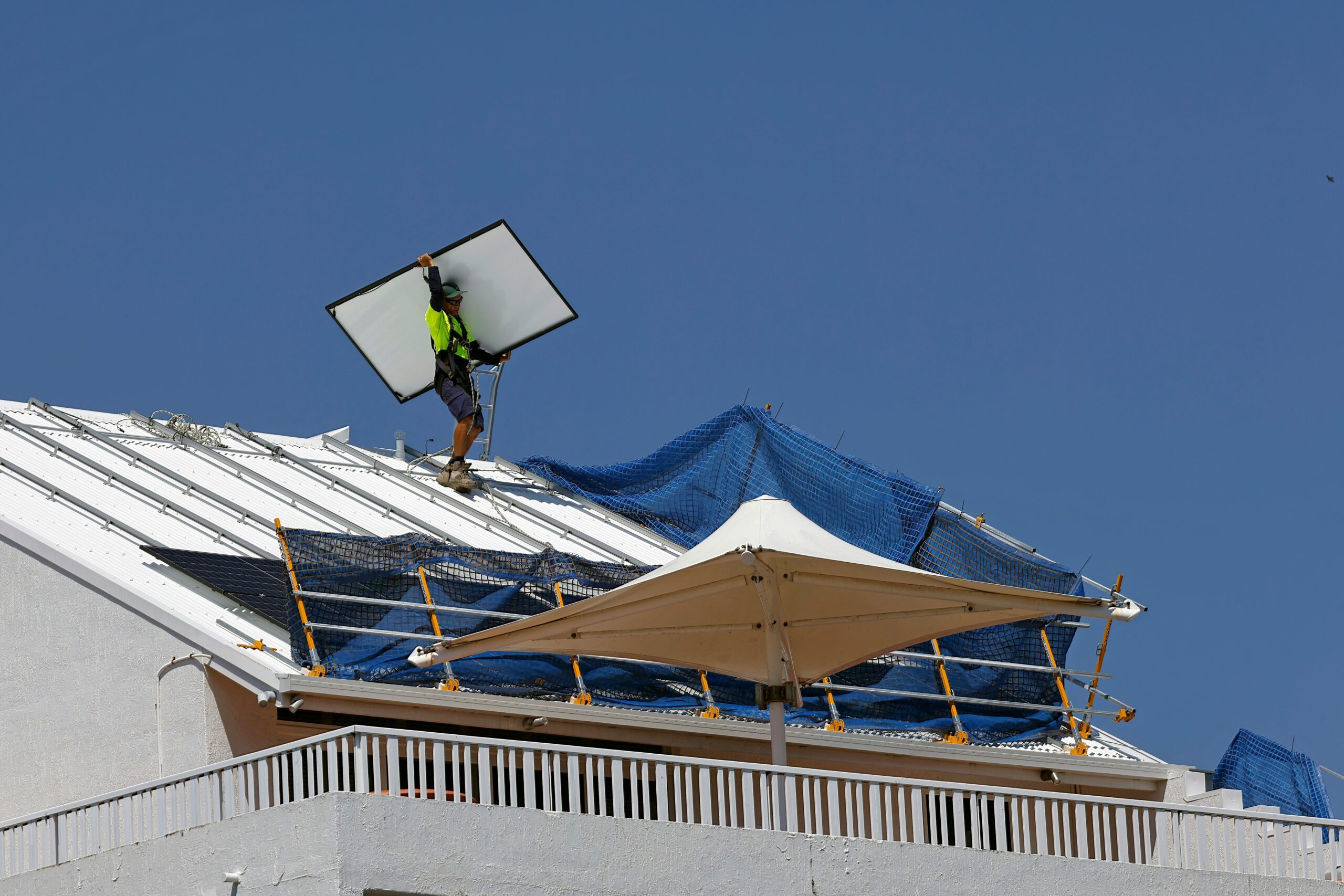
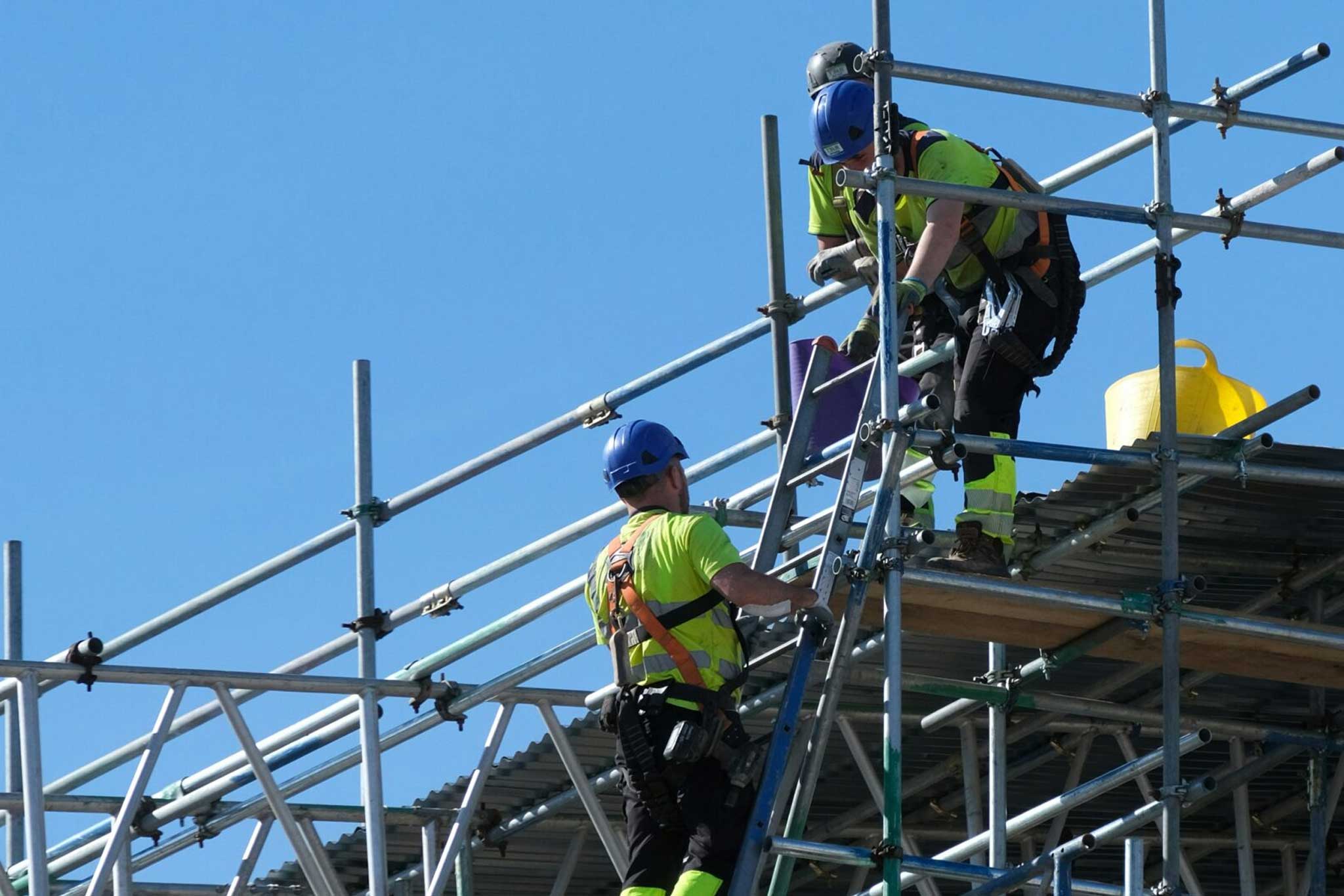
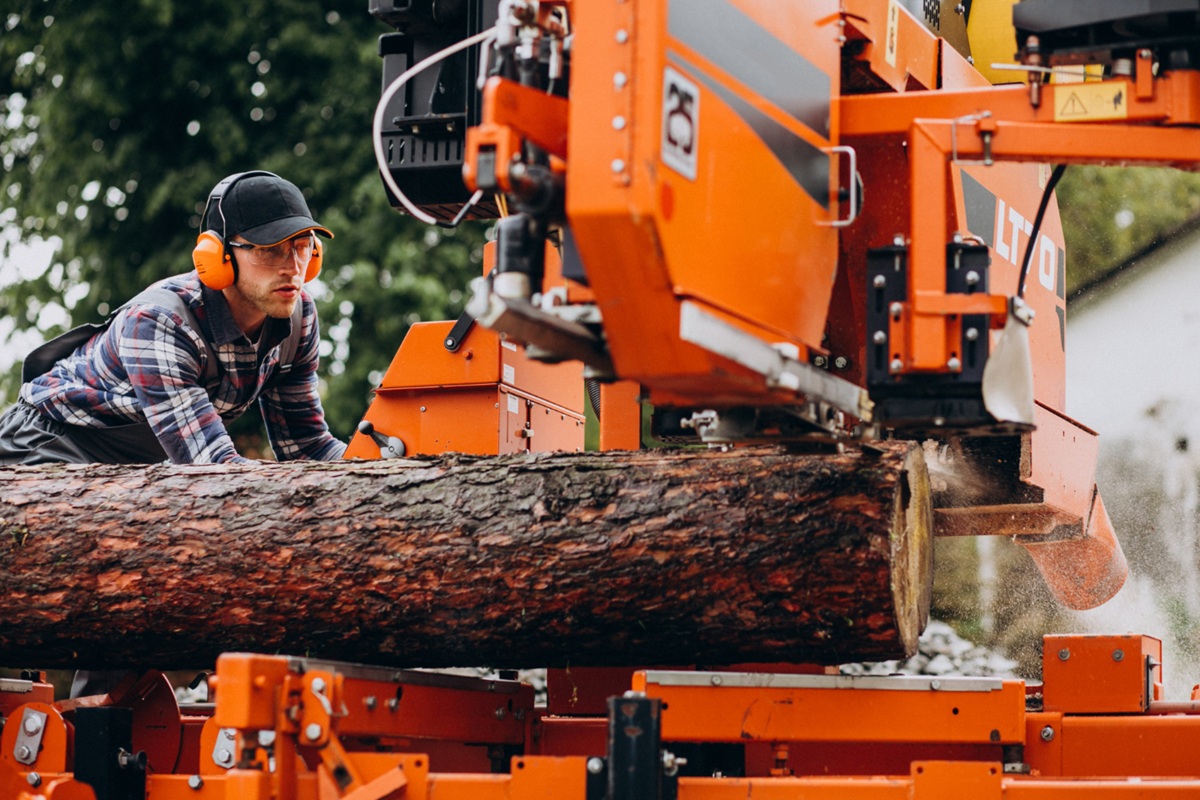
Tree work isn’t your average nine-to-five. You’re climbing high, handling sharp gear, working near powerlines, and dealing with trees that don’t always play nice. One wrong move and things can go sideways fast. That might hit your client, your crew, or your whole business.
That’s exactly why getting your insurance right matters. But working out the answer to ‘How much does arborist insurance cost?’ isn’t always clear-cut. Prices can swing depending on the type of work you do, the tools you use, your turnover, and what kind of risks you’re taking on.
In this guide, we break down what actually affects the cost, what cover you need to keep quoting and climbing with confidence, and how to sort insurance that fits your setup without overpaying.
What affects the cost of arborist insurance?
There’s no flat-rate answer to how much arborist insurance costs. But there are a few things that make a big difference.
Type of work
Clearing storm-damaged gums near powerlines isn’t the same as pruning a lemon tree in someone’s backyard. The riskier the job, the higher your premium.
Business size and turnover
The bigger the operation, the more there is to insure. More jobs, more vans, more moving parts. A solo tree lopper doing weekend work might pay under $2,000 a year. A council contractor with gear and staff could be looking at $5,000 or more.
Location
Where you work can push costs up, too. Some states charge higher stamp duties, and jobs near bushland, cities, or high-traffic areas are more exposed. Insurers factor all that in.
Claims history
If you’ve had a few claims in the past, you’ll probably pay more. A clean run with no dramas? That helps keep your costs sharp.
Equipment and tools
Covering gear like stump grinders, chippers, and EWPs adds to your premium, but if they’re damaged or stolen, you’ll be glad you did. The more valuable your kit, the more the policy will cost, but it’s there to protect your business when it counts.
What are arborists paying in 2025?
Here’s a rough guide based on real quotes we’ve seen this year.
| Business setup | Typical insurance mix | Estimated annual cost |
|---|---|---|
| Solo arborist, low-risk work | Liability and Personal Accident | $1,200 to $1,800 |
| Small team, mixed projects | Liability, Tools, Workers Comp | $2,000 to $3,500 |
| Civil or council contracts | Full cover incl. Indemnity, Plant, Motor | $3,500 to $6,000+ |
These numbers shift depending on where you’re based, the gear you’re running, how much work you’re doing, and your past claims. They’re ballpark figures, not set in stone.

What insurance do arborists actually need?
Climbing trees or running a vegetation crew means you’re dealing with more than your average worksite. Most arborists need more than just basic cover to stay protected and on-site.
Tree work comes with risks most trades avoid. You’re up high, around powerlines, handling big machines, and working under pressure. Having the right insurance helps keep your business moving when things don’t go to plan.
Here’s the insurance that matters most.
Public Liability insurance
This one’s essential. Public Liability protects you if your work causes damage or injury to someone else. Think branches hitting cars, visitors getting hurt, or flying debris damaging a neighbouring property.
You’ll usually need between $5 million and $20 million in coverage, depending on the job. Bigger contracts and council work often ask for higher limits and specific wording on your Certificate of Currency.
Personal Accident and Illness
If you don’t qualify for Workers Compensation, like most sole traders, Personal Accident and Illness gives you a safety net if injury or illness keeps you off work, helping with costs while you recover.
It can include benefits like cover for hospital stays, rehab, and lump-sum payments for serious injury. For high-risk trades like arborists, it’s a practical safety net when things go wrong.
Workers Compensation
Got anyone on the books? Even casuals? Then you legally need Workers Compensation. Each state handles it differently, but we can help you set it up properly.
It covers things like wages, medical bills, and getting your worker back on the tools after an injury. It’s a must if you’ve got a growing crew or are doing higher-risk jobs.
Tools and Equipment insurance
Every arborist relies on their gear to get the job done: saws, ropes, chippers, blowers. Tools insurance helps replace tools that get stolen, damaged, or lost.
It’s especially useful if you leave gear in the ute or on site overnight. Some policies even cover open-air theft or high-value items that are easy targets.
Commercial Motor insurance
Your ute does more than just get you to the job. It carries tools, trailers, chippers, and everything else you need to keep working.
Commercial Motor insurance protects your vehicles, trailers, and mounted gear from accidents, theft, or damage. You can also add options like windscreen replacement or loan vehicle cover.
Plant and Equipment insurance
Using bigger gear like stump grinders, EWPs or tracked chippers? This insurance helps protect them from theft, rollovers, fire, or damage in transit.
It applies to both registered and unregistered plant, and can be tailored for dry or wet hire. If you’ve invested in heavy equipment, this cover protects your cash flow when something goes wrong.
Professional Indemnity insurance
If your job involves giving advice, writing reports, or signing off on site work, Professional Indemnity matters. If a client believes your advice or recommendations led to a financial loss, it helps cover legal costs, even if the claim doesn’t stick.
Think clearance advice, risk assessments, or vegetation reports. If you’re handling any paperwork that influences the job, you should consider this cover.
Tax Audit insurance
If the ATO knocks on your door, this cover helps you respond properly. It pays for your accountant or bookkeeper to help during audits, BAS checks, or payroll reviews.
If you’re running a crew, taking on contracts, or growing fast, this cover can save you time and stress.

How to keep your insurance costs down
Getting the right cover doesn’t mean paying top dollar. Here are some simple ways to stay protected without overspending.
Bundle your policies
There’s no set discount for bundling, but having your Public Liability, Tools, Motor and Plant cover under one roof can make managing your insurance simpler.
Stay on top of safety
Strong safety systems and a clean claims history can signal lower risk to insurers, which may help keep your premium down. It’s not guaranteed, but it’s a solid foundation.
Review once a year
Your cover should grow with your business. If you take on more work or upgrade gear, check your policy still fits.
Use a broker who gets arborists
The right broker knows the risks and can sort out coverage that works for your trade. They’ll also make sure your Certificate of Currency ticks all the boxes for council and civil jobs.
Where that leaves you
So, how much does arborist insurance cost? That depends on how you work, what you’ve got, and the risks you’re taking on. But getting the right setup doesn’t have to be hard or expensive.
The right insurance keeps you quoting, working, and getting paid, even when things go off track. It protects your tools, your team, and your income so you can focus on the job.
Get covered with insurance that keeps you climbing
At All Trades Cover, we’ve helped arborists, tree loppers, and vegetation crews sort their insurance for years. We know the tools you use, the sites you’re on, and the risks that come with working at height.
From quoting council contracts to keeping your gear and income safe, we’ll match your cover to how you actually work.Give us a call and get a fast, tailored quote that gets you on site and protected.
Frequently Asked Questions
- Do arborists need insurance to work on council jobs in Australia?
Yes, most councils and commercial sites will ask for proof of Public Liability insurance before you can start. Many expect at least $10 million in cover and specific wording on your Certificate of Currency. Without it, you could miss out on the job.
- Can I still get arborist insurance cover if I’ve had past claims?
You can, but it might cost a bit more. Insurers look at your history when pricing. A good broker can help explain the full picture and find a fairer deal.
- Is $5 million Public Liability enough?
Sometimes. For backyard pruning, it might be fine. But if you’re working near traffic, powerlines, or on council jobs, most want $10 or $20 million. Better to go higher than get knocked back on a tender.
- What paperwork do I need to prove I’m covered?
A Certificate of Currency. It shows your cover amount, policy number, insurer, and the dates. Some clients might ask for extra wording or to be listed on the doc, especially councils.
- Is arborist insurance tax deductible?
Yes, usually. Most business-related insurance premiums, like Public Liability, Tools, and Vehicle cover, can be claimed at tax time. Always worth double-checking with your accountant.