




For many employers, Workers Compensation is treated like a routine annual task. The paperwork arrives, the policy is renewed, and it is not thought about again until the following year.
That approach can cost more than many people realise.
For trade and contracting businesses in particular, Workers Compensation is rarely just another insurance line. It sits across payroll, labour structure, worker classification, contracts, claims, return to work obligations, and day-to-day business continuity.
In Western Australia, that matters even more because the scheme is privately underwritten. Employers obtain cover from WorkCover WA licensed insurers, and WorkCover WA expressly says employers may find it beneficial to use a broker to negotiate with an insurer on their behalf.
Why Do Insurer Appetites Matter for Workers Compensation Premiums?
If you arrange Workers Compensation insurance directly, there is a good chance you are not seeing how much insurer appetite can affect your premium.
In WA, insurers often price the same business differently depending on the industry, the ANZSIC classification, the way wages are declared, and how the risk is presented. For trade, manufacturing, transport, and other higher-risk businesses, that can create a large gap between the lowest and highest quote, even when the business itself has not changed.
This is where using a broker can save real money. A broker who understands the Workers Compensation market knows how to present the risk properly, check that the classification makes sense, explain wage splits clearly, and approach the right parts of the market.
This is not just about getting another quote. It is about making sure your business is not paying more premium than it needs to because of poor presentation, the wrong classification approach, or a limited understanding of how insurers price different industries.
A real-world example shows why this matters. For a business with estimated wages of $500,000 and an ANZSIC classification of Motor Vehicle Body and Trailer Manufacturing (23120), the gap between the best and worst quoted rate produced a premium difference of $7,865.
That is a significant saving from one renewal exercise alone. For employers insuring direct, that is the value of having a broker who understands the market, knows where pricing can move, and can help make sure your Workers Compensation cover is structured and presented properly before it goes to market.
Why Is Workers Compensation a Business Decision, Not Just an Admin Task?
The real cost of Workers Compensation is rarely felt when the renewal notice lands. It is felt when a worker is injured, a project slows down, a wages declaration is questioned, or a business discovers too late that the workforce structure on paper does not reflect how it actually operates.
That is why Workers Compensation deserves more than an administrative mindset. It is not only about meeting a compulsory insurance requirement. It is also about whether the business has the right advice around who should be covered, how remuneration is declared, how claims are handled, and how quickly an injured worker can be supported back into suitable duties.
In WA, employers have legal obligations under the Workers Compensation and Injury Management Act 2023, including obligations tied to return to work and claims management.
For business owners, directors, and operations managers, the commercial question is simple: is Workers Compensation being bought like a commodity, or managed as part of the company’s workforce and risk strategy?
Why Does Workers Compensation in Western Australia Need a Different Conversation?
WA is one of the clearest examples of why broker advice can matter.
Unlike some other jurisdictions, Western Australia operates a privately underwritten Workers Compensation scheme. Employers can shop around between approved insurers, and WorkCover WA says they may find it beneficial to use a broker to negotiate with an insurer on their behalf.
WorkCover WA also publishes Insurance Brokers Principles and Standards of Practice for brokers operating in the scheme, which reinforces that brokers have an active role in helping employers understand and meet their statutory obligations properly.
That creates a different buying environment from more centralised models used elsewhere in Australia. It also means the insurance decision does not sit in isolation.
In practice, Workers Compensation in WA connects with wage declarations, worker status, claims administration, and injury management before a claim ever arises.
So a WA employer is not only deciding where to place a policy. They are deciding how well the business will be prepared and advised before something goes wrong.
Is Going Direct the Same as Getting Advice on Workers Compensation?
A direct channel can issue cover. That is not the same as helping an employer think through the wider risk picture.
A broker-led process should test the structure behind the policy. Who in the business needs to be considered? How stable is payroll through the year? Are there apprentices, casual labour, or regular subcontractor relationships that need closer review? Is the business taking on work across state borders? If a worker is injured tomorrow, does management know what happens next?
This matters because Workers Compensation is one of the few compulsory insurance classes where the purchase decision, the claims process, and the employer’s obligations are tightly linked.
Safe Work Australia publishes a national comparison specifically because schemes differ materially across jurisdictions in areas such as coverage, benefits, return to work provisions, self-insurance arrangements, and scheme administration.
That is the real value test. A direct purchase may secure a policy. Good advice should provide clarity, structure, and fewer surprises when something goes wrong.
Why Do Trade and Contractor Businesses Usually Feel the Difference Most?
This issue is often more pronounced for trades, contractors, and labour-intensive businesses because their exposure is highly operational.
An office-based business with a stable payroll and low workforce turnover may be able to treat Workers Compensation as a relatively contained obligation. A trade business usually does not have that luxury.
Apprentices come on board. Casual labour rises and falls with workload. Crews move between sites. Subcontractor relationships evolve. One injury can interrupt a live job, affect scheduling, and create immediate pressure on management.
That is why Workers Compensation advice for trades and contractors needs to reflect how the business actually runs. It is not just about the wording on a policy schedule. It is about how the business hires, quotes, contracts, supervises, manages site obligations, and responds when work is disrupted.
In that environment, Workers Compensation becomes more than compliance. It becomes part of how the business manages risk, protects cash flow, and supports continuity.
Which Businesses Is Workers Compensation Advice Most Relevant For?
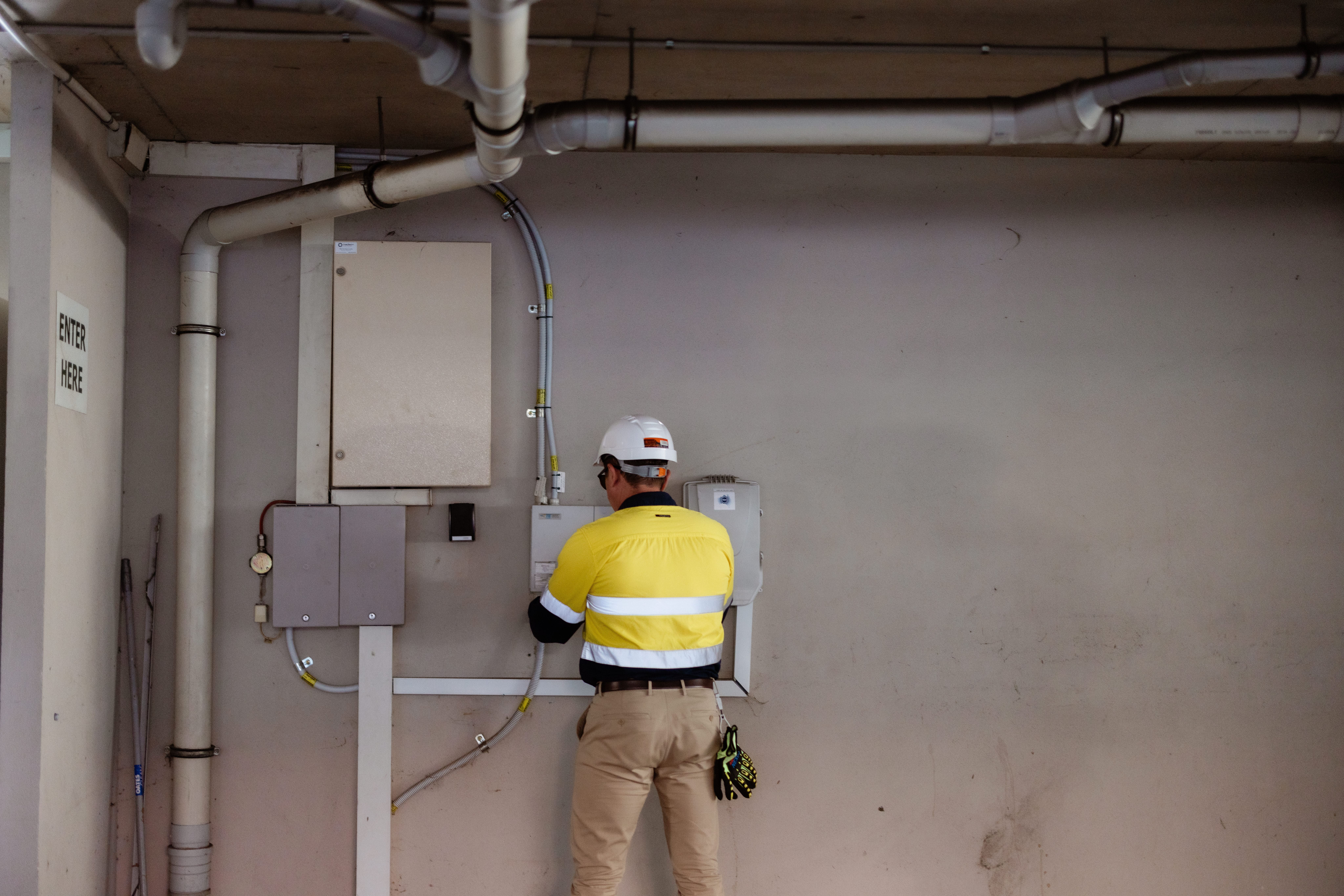
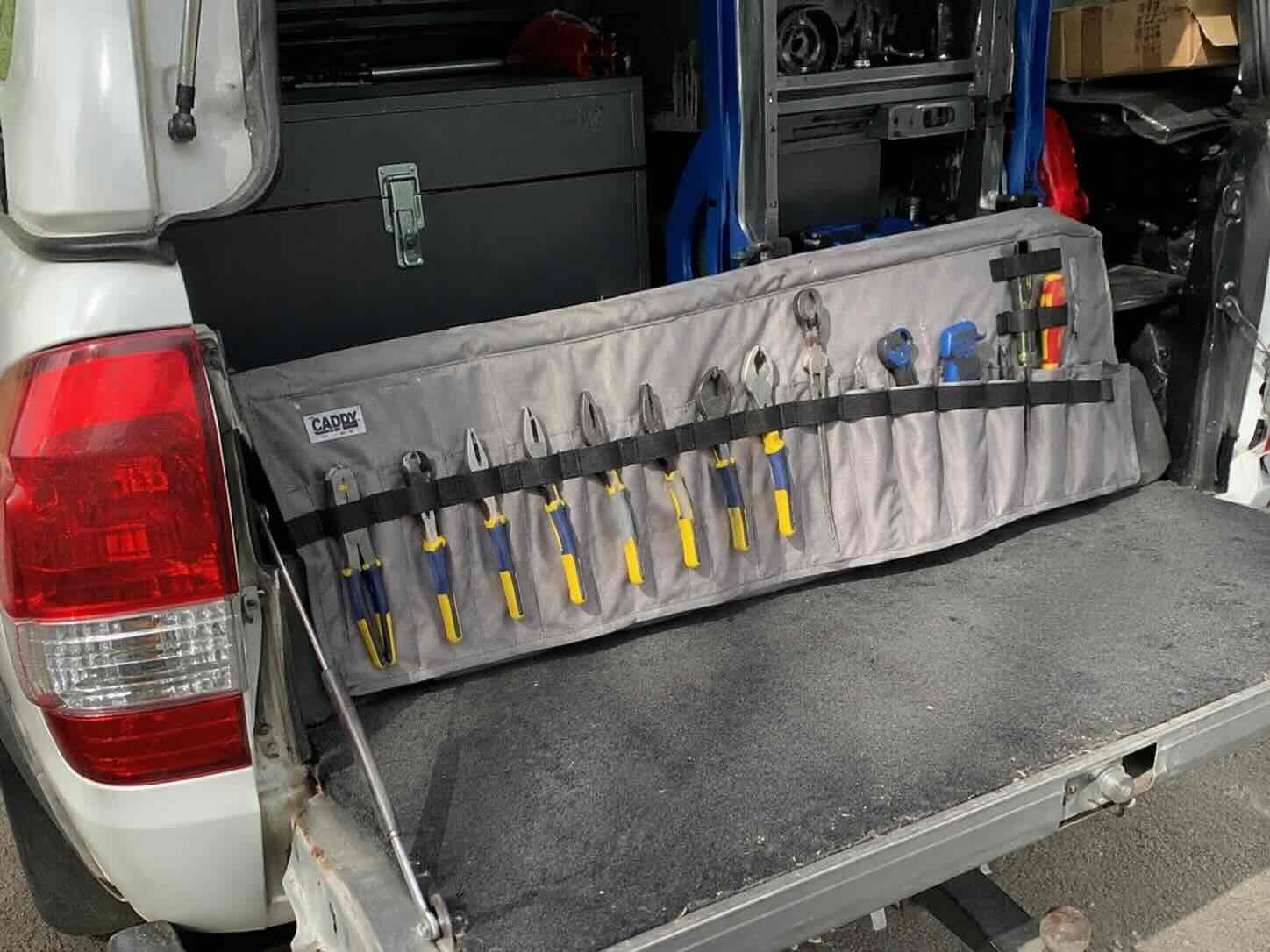
This conversation is most relevant for businesses with practical, mobile, or labour-intensive workforces. That includes electricians, plumbers, builders, HVAC contractors, roofers, landscapers, maintenance businesses, plant and machinery operators, mining service providers, site-based contractors, and growing trade businesses with apprentices, casual labour, or mixed workforce models.
These businesses often face a more complicated workers compensation picture than a standard office-based employer. Payroll can shift through the year. Labour structures can change from project to project. One injury can affect productivity, scheduling, and cash flow almost immediately.
Where a business relies on site-based labour, apprentices, subcontractors, or mobile crews, Workers Compensation usually should not be treated as a simple annual purchase. It needs to be managed in a way that reflects how the workforce is structured, how the work is performed, and what obligations follow from that.
Does Workers Compensation Work the Same Way in Every State?
Workers Compensation schemes in Australia are often described as either risk states or managed fund states.
Risk states include WA, NT, TAS, and ACT. In a risk state, private insurers take on the insurance risk. That means they underwrite the policy, collect the premium, and are responsible for the cost of claims.
Managed fund states include NSW, VIC, QLD, and SA. In a managed fund state, the claims risk usually sits with a central statutory fund, and insurers, where involved, generally act more as scheme administrators than true risk carriers.
For WA, the key point is that it is a risk state. That means insurers compete for business, and differences in pricing, underwriting approach, and claims service can matter more.
What Does Workers Compensation Broker Advice Look Like in Practice?
The value of broker advice is easiest to see in ordinary business situations.
What Happens to Workers Compensation When a WA Electrical Contractor Grows Quickly?
A Perth electrical business expands from six staff to fourteen over two years. It adds apprentices, takes on larger commercial jobs, and uses regular subcontractors during peak periods.
On the surface, the annual renewal still looks routine. In practice, the business has become more complex. A broker-led review helps the owner step back and assess workforce structure, remuneration declarations, and insurer presentation before a dispute, claim issue, or administrative problem emerges.
What Happens to Workers Compensation When a Trade Business Starts Operating Interstate?
A WA-based HVAC contractor wins work in Queensland and South Australia. The owner assumes Workers Compensation will operate the same way on every project.
It does not.
Advice becomes valuable not because it changes the legislation, but because it helps the employer understand that the insurance pathway, administration, and support model differ between jurisdictions. That reduces the risk of decisions being made on the assumption that one state works like another.
What Happens to Workers Compensation When a Builder Faces an Injury Mid-Project?
A worker is injured halfway through a live job. The issue is not only the claim itself. It is also the project interruption, paperwork, communication, pressure on the crew, and the question of how return to work will be managed without making the disruption worse.
That is often when an employer sees the difference between simply having a policy and having advice around the policy. Employer obligations around injury management and return to work are a core part of scheme administration in WA and across other jurisdictions.
These examples are illustrative, but the commercial point is real: in Workers Compensation, the pressure point is usually operational. That is where better advice tends to prove its value.
Is the Real Question Whether Workers Compensation Is Mandatory, or How Well It Is Managed?
For employers that need Workers Compensation, the requirement to deal with the scheme is not optional.
What is optional is whether the business approaches it as a minimal compliance exercise or as a risk area that deserves proper attention.
For many employers, especially in WA and especially in trades and contracting, a broker-led approach is often the stronger commercial model. Not because going direct is impossible, but because Workers Compensation is closely linked to workforce structure, claims handling, and business continuity.
WorkCover WA expressly notes that employers may find it beneficial to use a broker to negotiate with insurers on their behalf, while the broader national picture shows that employers are dealing with materially different systems depending on where they operate.
That is why Workers Compensation is often better managed through a broker than treated as a simple direct purchase. The policy may be compulsory, but the quality of advice behind it can make a meaningful difference when the business needs it most.
Disclaimer: The information in this article is general in nature and is not legal, financial, or personal advice. Workers compensation requirements and insurance options vary by business and jurisdiction, so consider obtaining advice tailored to your circumstances before acting on this information.