



Key Takeaways:
- Plumbing work comes with risk; leaks, injuries, and stolen gear can cost you big
- You’ll need Public Liability just to get on most sites
- Workers Compensation is mandatory if you’ve got a team or apprentices
- Sole traders should have Personal Accident cover to protect their income
- Tool, vehicle, and advice-based work may need extra policies
- The right cover keeps you working, quoting, and protected without wasting cash
Running a plumbing business isn’t just about pipes and pressure. You’re quoting jobs, managing gear, dodging deadlines, keeping clients happy, and dealing with whatever’s waiting behind the next busted wall. One slip, leak, or wrong call, and you could be out of pocket fast.
That’s why having the right insurance sorted isn’t just a tick-the-box thing. It’s what keeps your business moving when stuff goes sideways, protecting your income, your tools, your crew, and your reputation.
This guide answers the question: What insurance does a plumbing company need in Australia? You’ll also learn how each policy works in real-world plumbing jobs, and how to avoid paying for cover you don’t need.

The must-have insurance for plumbing businesses
Plumbers face all kinds of risks on the job. You’re working with pressure, water, tools, vehicles, and sometimes unpredictable sites or subcontractors.
With the right cover, you’re not sidelined by setbacks. You’re protected, ready, and back on the tools faster.
Here’s a breakdown of the key plumbing insurance types in Australia, and what they actually cover.
Public Liability insurance
If you only sort one type of cover, make it this.
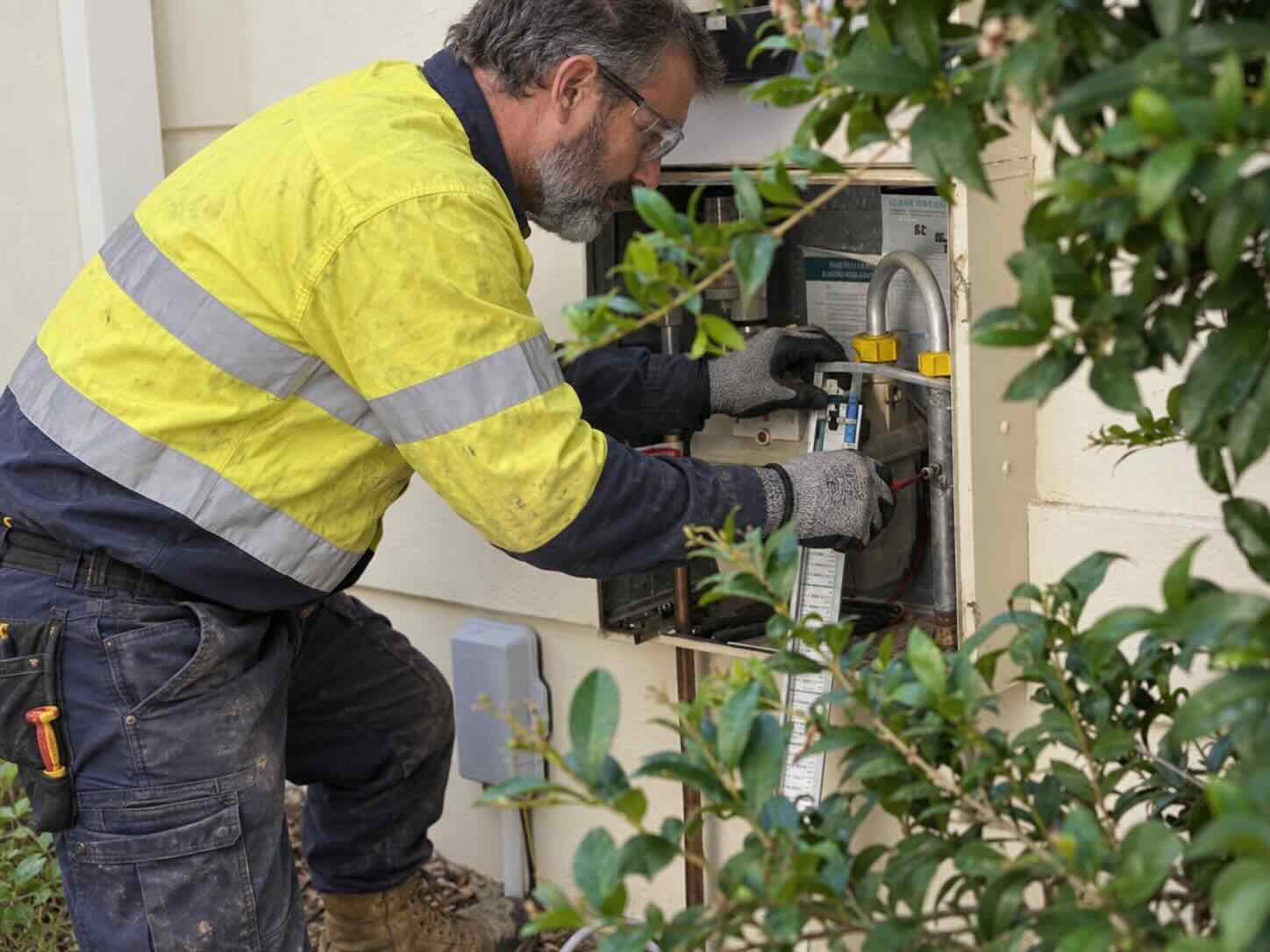
Public Liability is what protects you when your work causes damage or injury to someone else. Think burst pipe flooding a client’s new floor, or a visitor tripping over your hose reel during a quote.
These jobs can go pear-shaped, even when you’ve done nothing wrong. And in most cases, you won’t even get on-site without showing proof of this policy.
It’s required for council work, commercial jobs, and most licensed trades in Australia. But more than that, it’s the thing that stops a mistake from costing your business thousands.
Extra requirements for Victorian plumbers
If you’re licensed in Victoria, your Public Liability insurance needs to meet some extra rules; or, the Victorian Building Authority (VBA) won’t approve your licence.
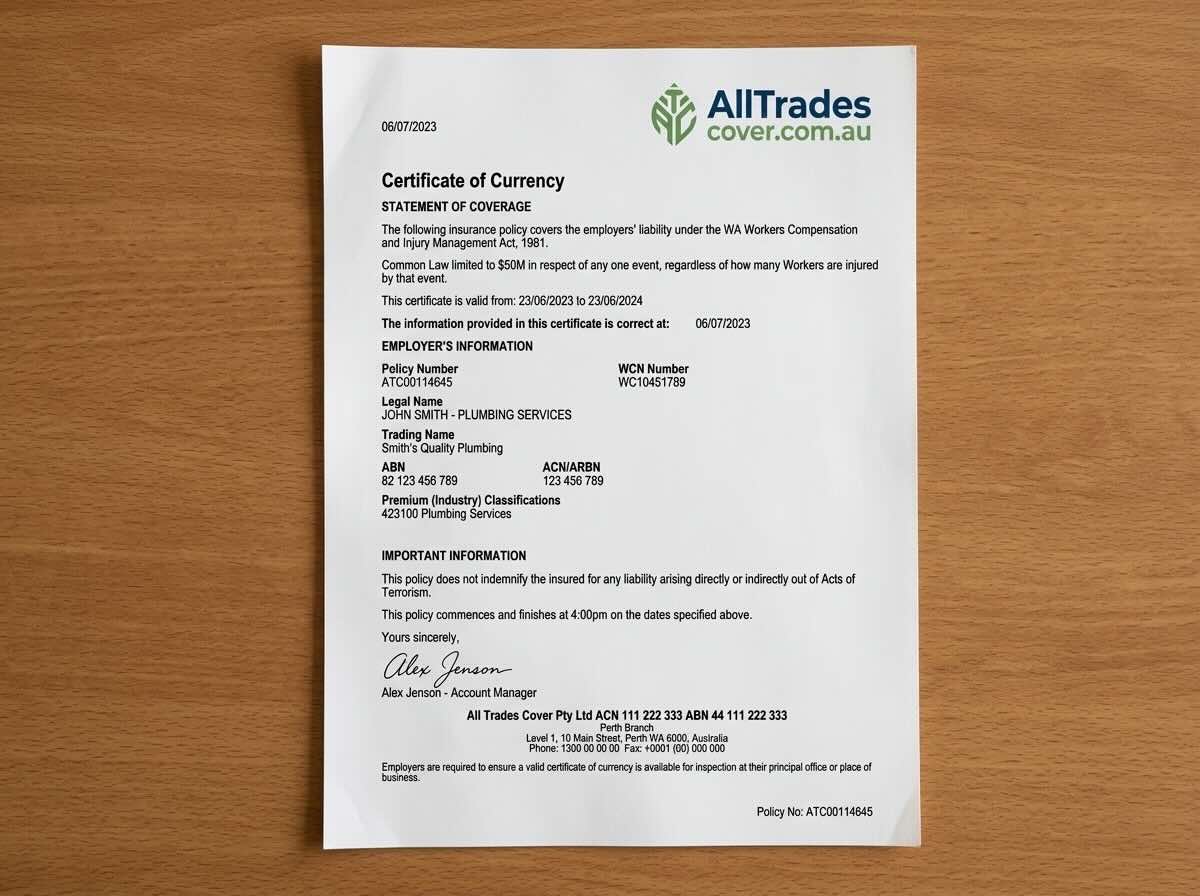
The VBA requires your Certificate of Currency to include:
- Your full legal name (not just your trading name)
- Insurer name, active dates, and policy number
- A statement confirming compliance with the relevant Ministerial Order
For general plumbing, it needs to show:
‘This insurance complies with all of the requirements of the Ministerial Order, Licensed Plumbers General Insurance Order, dated 20th June 2002.’
If you also handle Type B gasfitting, it must meet both orders, and your Certificate needs to reflect that.
Workers Compensation insurance
Got an apprentice on the books? A couple of part-timers jumping between jobs? Then Workers Compensation isn’t optional but a legal requirement in every state and territory if you’ve got employees.
This cover protects your crew if they’re injured or get sick because of work. That includes things like:
- Medical expenses and hospital treatment
- Weekly payments to cover wages while they’re off the tools
- Rehab or return-to-work support
- In serious cases, lump sum payments for permanent impairment or death
Plumbing’s no desk job; you’re lifting heavy gear, working at heights, and squeezing into awkward spaces. A fall, strain, or serious injury can happen fast. Workers Compensation makes sure your team’s looked after, and your business stays compliant.
Each state runs its own Workers Compensation scheme with different rules and reporting requirements. In WA, for example, you’ll need to set it up privately, to comply with WorkCover WA, the same in the NT, since they’re regulated by SafeWork, which we can do at All Trades Cover. In VIC or NSW, it’s done through the government.
Personal Accident insurance
If you’re working for yourself, you don’t get any Workers Compensation, which means you’re on your own if you get taken out by injury or illness.
That’s where Personal Accident insurance, also known as Personal Accident and Illness, comes in. It’s designed to support tradies when an accident or illness puts them off the tools, helping cover everyday costs while they recover.
A busted ankle. A crook shoulder from lifting. A few nights in the hospital. This cover gives you breathing room when you can’t get on the tools.
It’s not just about protecting your bank balance. It protects your business. Because if you’re not working, jobs don’t get done, and money doesn’t come in.
Sole traders and subbies should treat this one as essential.
Tools and Equipment insurance
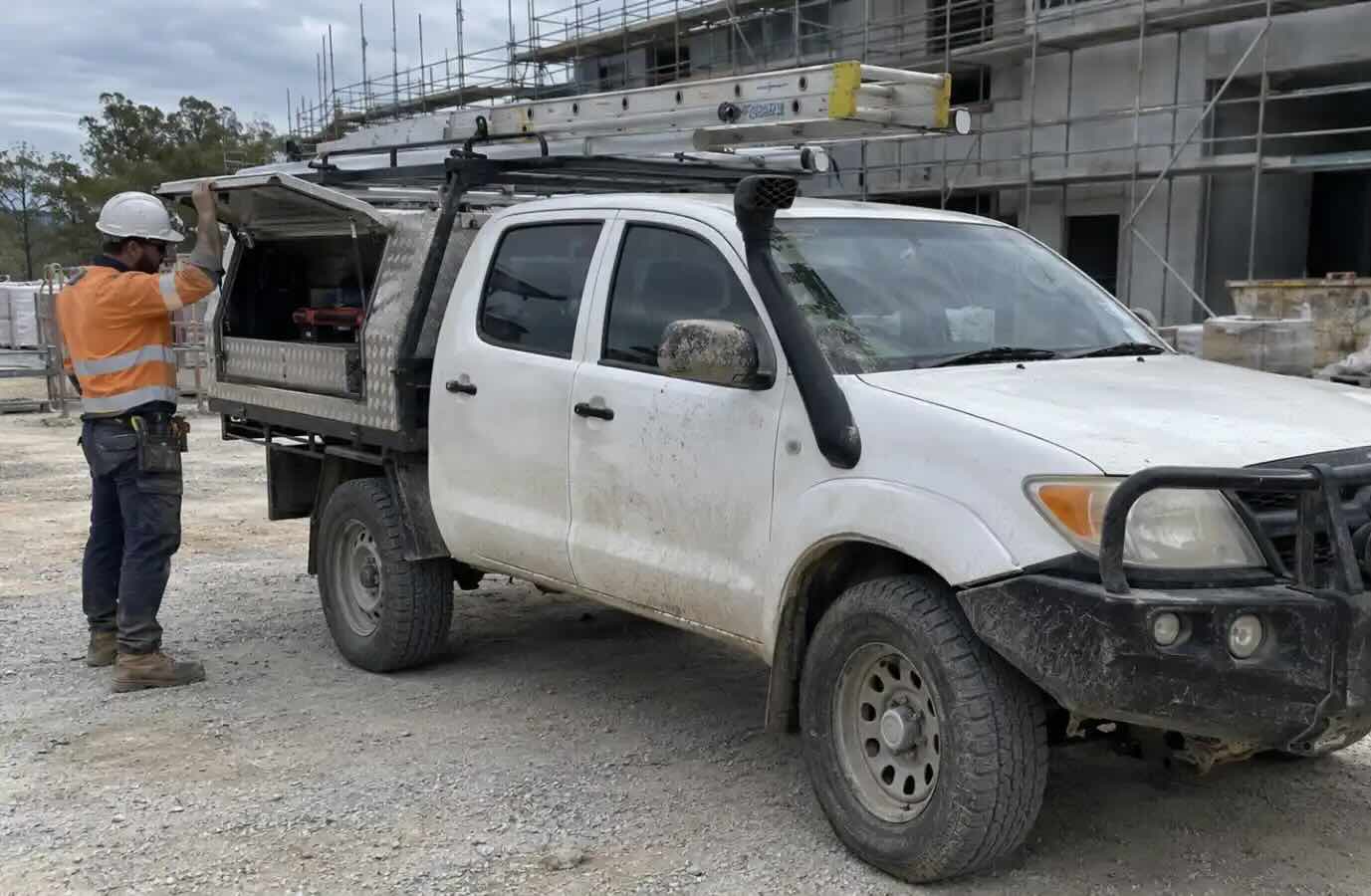
Every plumber’s been there. You lock up for the night, come back in the morning, and something’s missing. Or the van gets broken into at the servo. It’s a hassle, hits your wallet, and delays your next job.
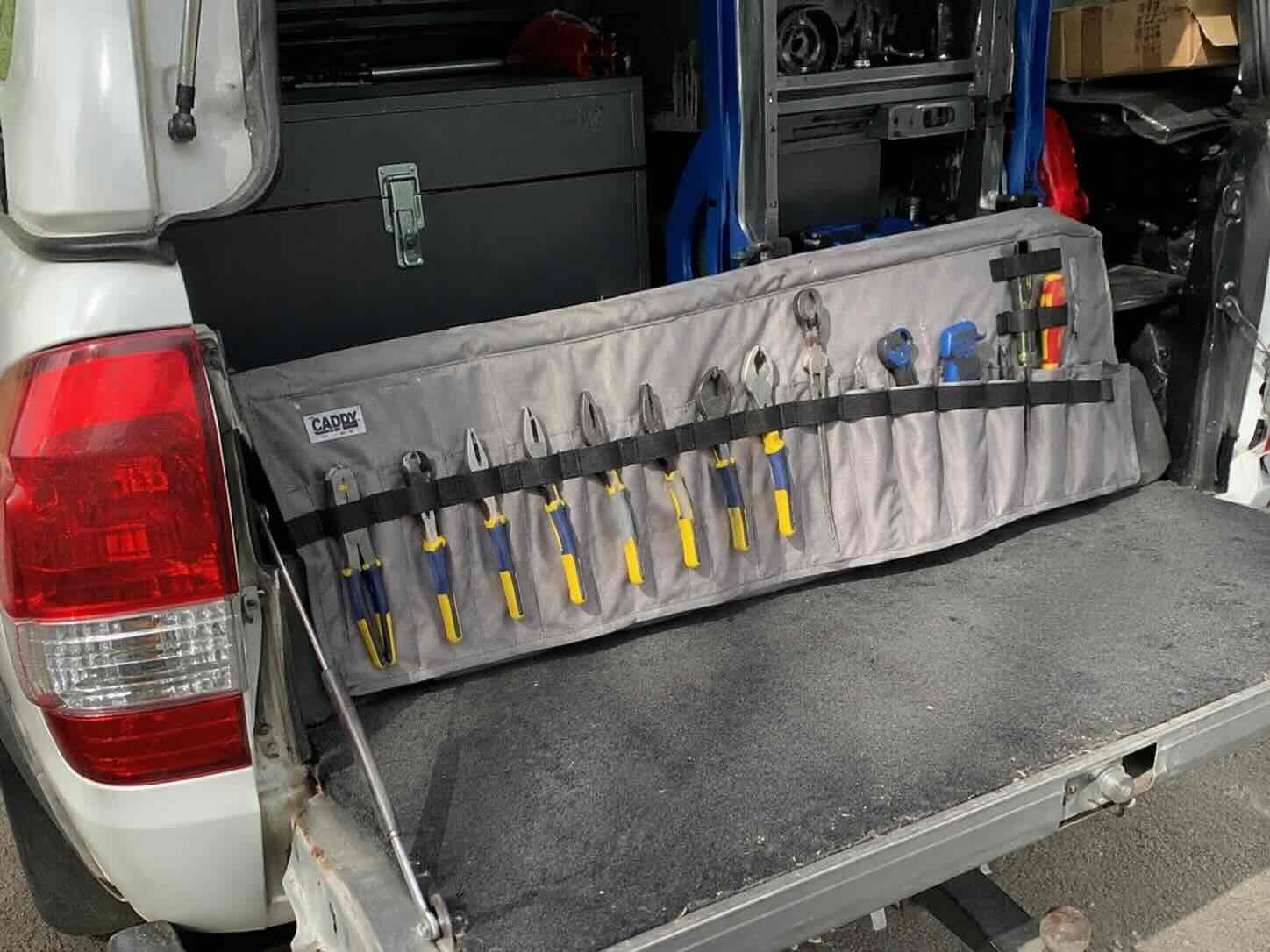
Tools insurance helps cover the stuff you rely on every day. Jetters, drills, benders, cameras, and even hand tools. If they’re stolen, damaged, or lost, you’re not stuck replacing them out of pocket.
Some policies even cover tools left in locked vehicles. Handy if you’re bouncing between sites all week.
If you’re running your own business and your tools disappear, this one pays for itself.
Commercial Vehicle insurance
Your van or ute is your office, storage, and site transport rolled into one. And when it’s off the road, so are you.
Standard car insurance won’t cut it if you’re using the vehicle for work. Most of them won’t cover tools or business use at all.
Commercial Vehicle insurance is built for tradies. If you’re in a crash, or the van gets flogged, or there’s hail damage on-site, this cover helps get you moving again without the massive repair bill.
Some policies even include a hire car while yours is off the road.
Professional Indemnity insurance
If your work involves giving advice, drawing plans, or supervising other trades, you might want to think about this one.
Professional Indemnity insurance protects you if a client reckons your advice or work cost them money, even if you didn’t physically cause damage. For plumbers, that could be anything from system design errors to incorrect specs that delay a build.
In Victoria, for example, the VBA requires certain types of plumbers to hold this insurance to maintain their licence. It’s not always mandatory, but it’s smart if you’re doing high-spec or high-risk work.

What affects the cost of plumbing insurance?
Insurance costs depend on a few key things. It’s less about your job title and more about what could go wrong on site.
1. The work you do
Roofing, gas fitting, excavation, and commercial plumbing usually carry more risk than basic maintenance or fit-offs, and that shows in your premium.
2. Turnover and crew size
More jobs, more vans, more people; it all adds up. A solo plumber doing $80k will pay less than a team turning over $500k a year.
3. Location
Working in city centres or high-traffic areas can mean higher premiums. The job might be the same, but the risk is higher. Some states also charge different stamp duties on insurance.
4. Claims history
If you’ve had a couple of payouts in the past few years, expect that to bump your costs up. A clean record? That helps keep your premiums sharp.
5. Subcontractors
Use subs? You’ll need to make sure your policy covers them or that they’ve got their own insurance. Insurers treat this differently depending on the setup.
What does insurance cost for plumbing businesses?
Here’s a rough idea of what plumbers are paying in 2025:
| Business setup | Typical cover setup | Estimated annual cost |
|---|---|---|
| Sole trader (under $120k) | Public Liability + Personal Accident | $650 to $950 |
| Small team (2–4 staff) | Public Liability + Workers Compensation + Tools | $1,200 to $2,000 |
| Mid-size company (fleet, admin) | Full cover incl. Vehicle + Indemnity | $2,500 to $5,000+ |
These numbers shift based on where you work, how much gear you’ve got, your claims history and other factors, but they’re a good ballpark to start planning with.

Other cover worth considering
Depending on how your plumbing business runs, other insurance types might make sense, especially if you’re quoting big jobs, growing your crew, or working under contracts with stricter requirements.
Contract Works insurance
Contract Works insurance protects your plumbing work while it’s still in progress. That includes materials, systems, and installations that get damaged, lost, or stolen before the job’s handed over. If you’re working on staged commercial jobs, large-scale installs, or council packages, this policy can save you from big out-of-pocket losses.
Management Liability insurance
Management Liability insurance helps protect the business and its decision-makers from legal claims tied to how the company is run. That includes things like unfair dismissal, WHS breaches, or allegations of mismanagement. It’s a smart move if you’ve got staff, handle HR, or deal with government contracts.
Tax Audit insurance
If the ATO decides to audit your business, Tax Audit insurance covers the cost of hiring an accountant or bookkeeper to help sort your records. This includes reviews of your BAS, payroll, super, or business income and can make the process less stressful and less expensive.
Motor Fleet insurance
Motor Fleet insurance is ideal if your business runs multiple utes, vans, or trucks. Instead of juggling individual policies, it combines them into one easy-to-manage policy, with consistent cover and one renewal date. It’s cleaner, quicker, and easier when you’ve got a growing team on the road.
What it all boils down to
So, what insurance does a plumbing company need?
At the bare minimum, every plumber needs Public Liability. If you’ve got employees, Workers Compensation is a legal must. If you’re on your own, Personal Accident cover is your lifeline. Add Tools, Vehicle, or Professional Indemnity cover based on what your business actually does.
The right insurance means less downtime, fewer dramas, and a business that keeps moving even when things don’t go to plan.

Get sorted with proper plumbing insurance
At All Trades Cover, we work with Aussie plumbers every day. We understand the work, the risks, and the paperwork needed to keep you quoting, winning, and delivering jobs with confidence.
We’ll walk you through exactly what insurance a plumbing company needs and make sure your cover fits your day-to-day work.Call our team today to get a quick quote and only pay for what matters.
Frequently Asked Questions
- What type of insurance do plumbers legally need in Australia?
Plumbers legally need Public Liability insurance to access most job sites, especially commercial, council, or strata work. If you employ staff or apprentices, Workers Compensation insurance is also required by law. Requirements can vary slightly by state, so it’s worth checking local rules or speaking to a broker.
- Do I need plumbing insurance if I’m a subcontractor or sole trader?
Yes, even if you’re working solo, you’re still liable if something goes wrong on site. Most clients or head contractors will expect you to carry Public Liability and Personal Accident insurance at a minimum, and many won’t let you start the job without proof.
- What insurance is required for plumbers in Victoria?
Licensed plumbers in Victoria must hold a Public Liability policy that complies with the Victorian Building Authority (VBA) Ministerial Order. It also needs specific wording on the Certificate of Currency. This applies whether you’re renewing or applying for a plumbing licence, and it’s essential to get it right to avoid delays.
- What if my plumbing business does residential and commercial work?
You’ll need a policy that reflects both. Residential work often carries different risks than large commercial or industrial jobs. If you’re doing both, your insurance setup should cover the full scope, including Contract Works or Professional Indemnity insurance if you’re signing off on plans or dealing with bigger projects.
- How often should I review my plumbing insurance?
At least once a year or whenever your work changes. If you add new equipment, hire more staff, or start quoting bigger jobs, your current cover might not keep up. An annual review keeps things sharp and avoids surprise gaps in protection.
![How Much Does Public Liability Cost for a Sole Trader? [Tradie Guide]](https://www.alltradescover.com.au/wp-content/uploads/2026/07/public-liability-cost-sole-trader.jpg)





















![What Insurance Does a Sole Trader Need? [Guide for Tradies]](https://www.alltradescover.com.au/wp-content/uploads/2020/06/what-insurance-does-sole-trader-need.jpg)


![How Do Monthly Public Liability Insurance Payments Work? [Tradie Guide]](https://www.alltradescover.com.au/wp-content/uploads/2015/10/how-monthly-payments-work-financial-consultation-meeting.webp)