



Key Takeaways:
- Roofing is high-risk work that demands specific insurance
- Public Liability and Workers Compensation are essential for most businesses
- Sole traders should consider Personal Accident & Illness insurance
- Roof height, subcontractors, and tool theft all affect what insurance you need
- Using an insurance broker like All Trades Cover ensures you avoid exclusions and get the right fit for your business
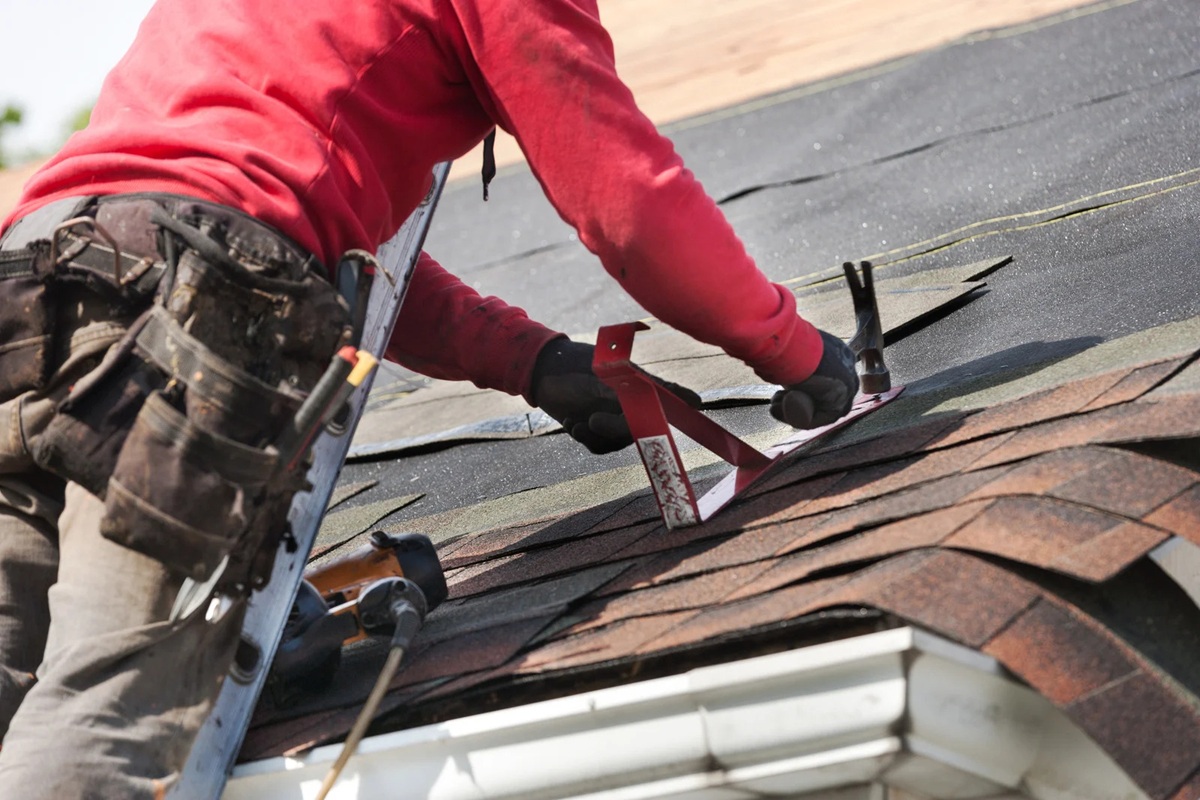
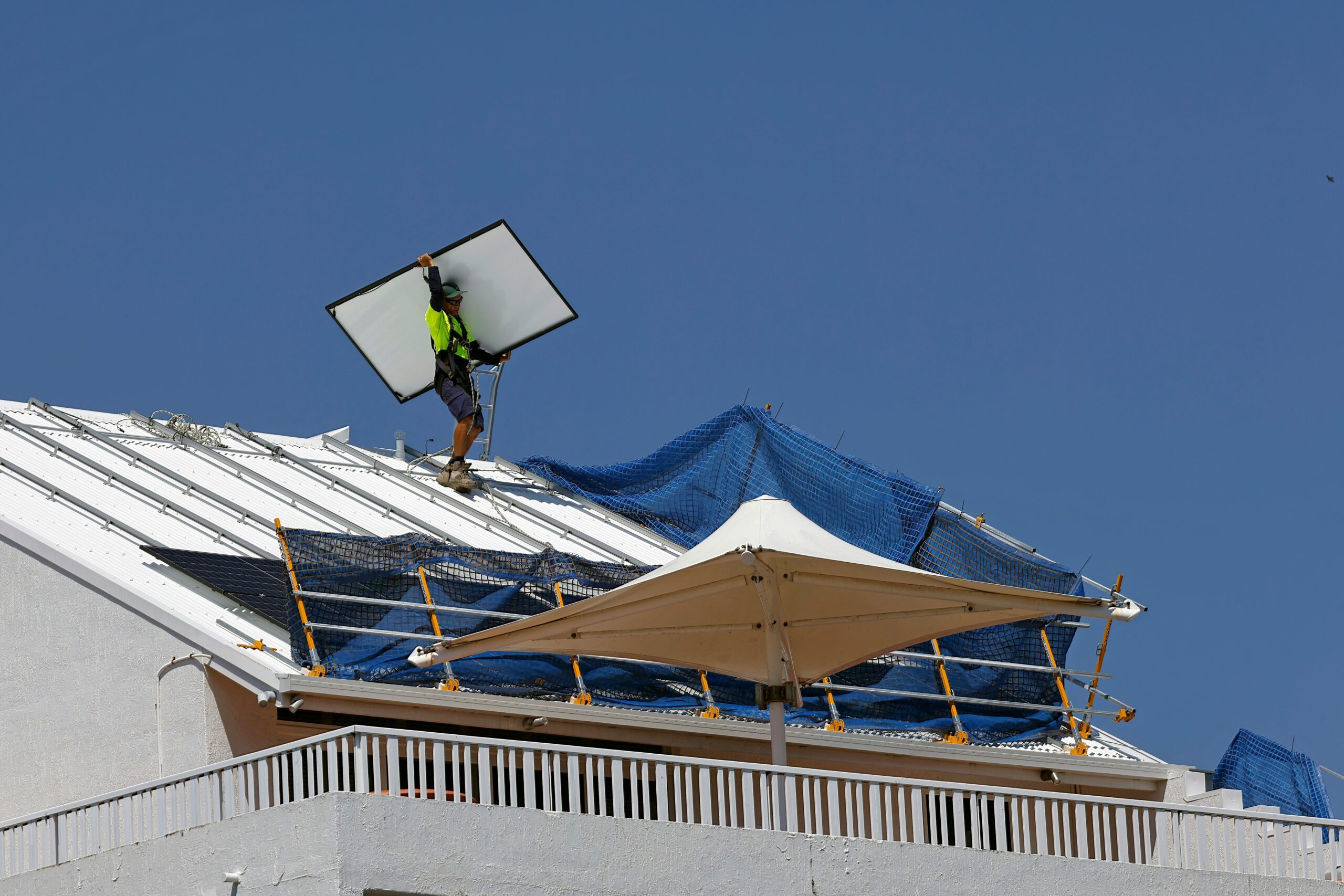
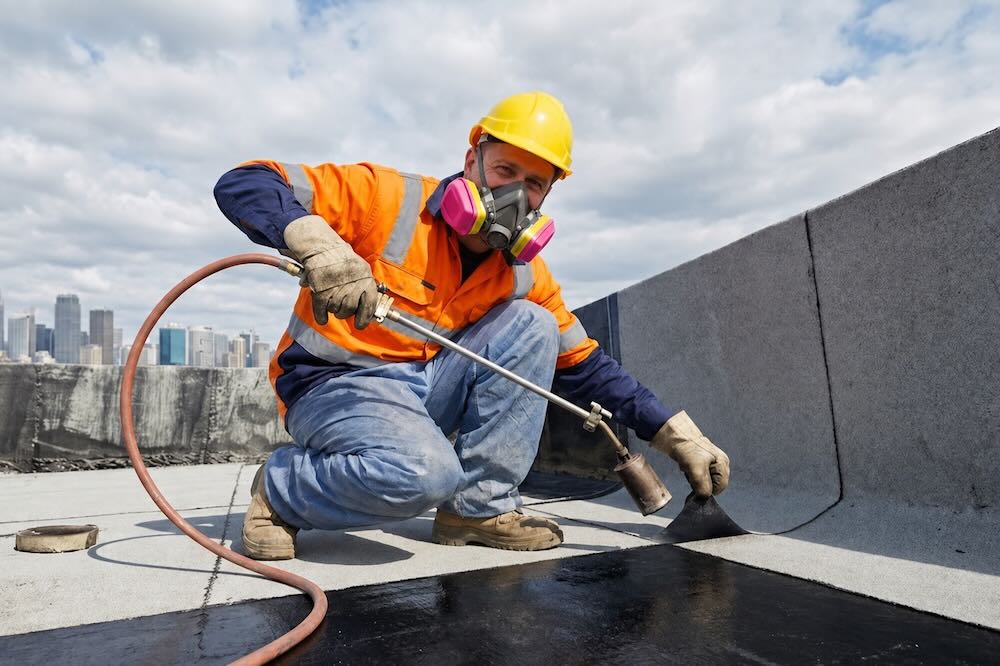
Roofing is one of the riskiest trades with the tools. You are working at height, hauling gear across steep pitches, and dealing with weather that can turn without warning.
One slip, one dropped tile, or one storm overnight can lead to injury, property damage, or the job getting shut down. If you are not covered, the costs fall on you.
Sorting the right insurance for roofing business work gives you backup when things go sideways. It helps protect your tools, your team, and your cash flow. Whether you are quoting a re-roof or running a crew on a bigger commercial job, having cover in place means you can keep moving and get back on site faster.
The key insurance every roofer should have
Public Liability insurance
You’re working on a double-storey install. A tile slips off the roof and lands on the neighbour’s pergola. It’s an accident, but it still leaves you responsible.
Public Liability insurance helps cover the costs when your work causes property damage or injury to someone else. This can include things like third-party medical bills, repair costs, and legal fees if a claim is made against you.
Most job sites will ask to see proof of this cover before you’re allowed on site. It’s also a standard requirement for council work and commercial roofing projects. Some residential clients will request it as part of their quote process.
This type of roofing insurance helps protect you from expensive surprises if something goes wrong on-site. It also helps you meet the legal and contract requirements that come with bigger jobs.
Workers Compensation
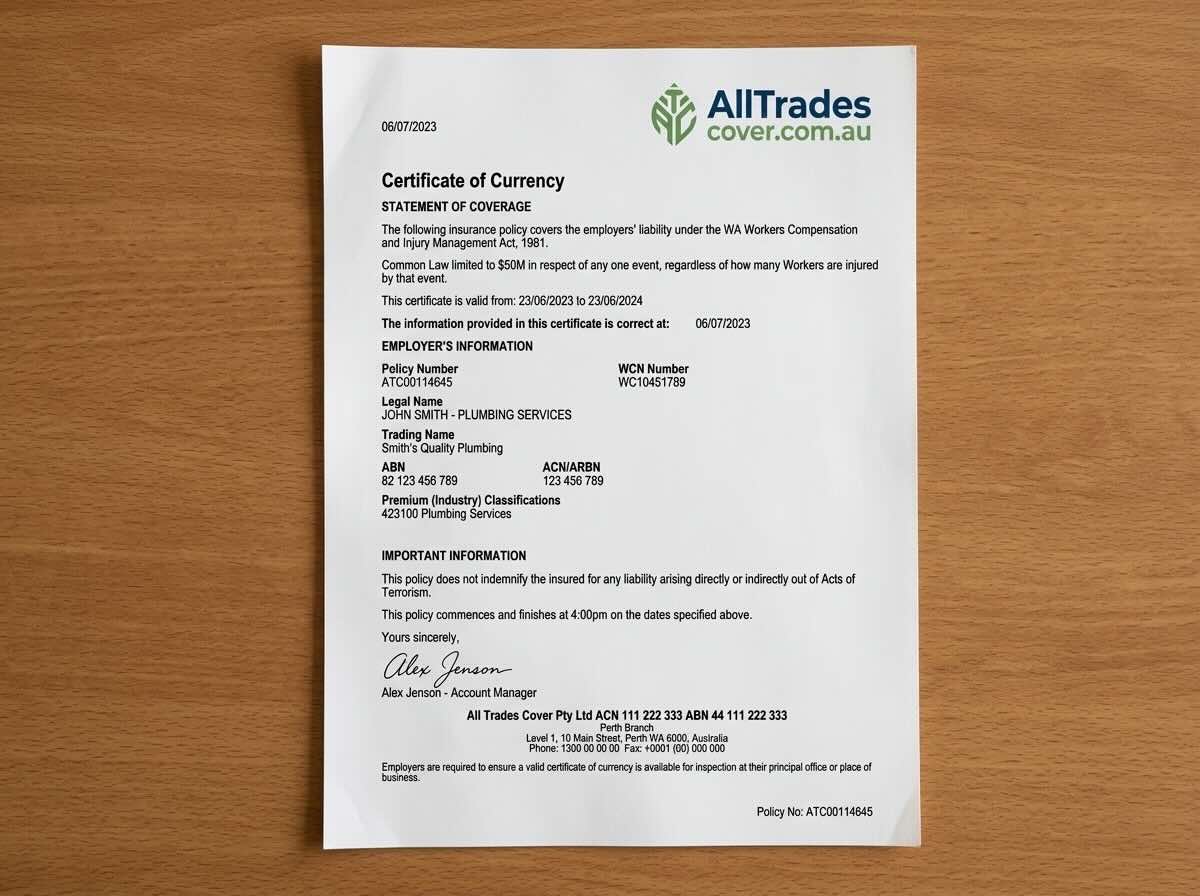
Roofers work at height, often on steep pitches and in tough weather. If someone on your team gets injured while working, you’re responsible for covering their wages, medical expenses and recovery time.
Workers Compensation is mandatory if you employ staff. This includes apprentices, casuals, and in some cases, even subcontractors, depending on how they’re engaged.
Each state has its own rules around how Workers Compensation needs to be arranged. In Western Australia, you’ll need to set up your policy through an approved insurer and register it with WorkCover WA.
Not having a current policy in place can lead to fines, stop-work notices or delays with site access. Even if your team is small, it’s important to make sure everyone is covered properly.
Personal Accident and Illness insurance
If you’re working solo, there’s no employer to fall back on when you get injured or sick. That means no income and no help covering expenses while you recover.
Personal Accident and Illness insurance gives you a safety net. It can pay a portion of your usual income while you’re off work and also includes options for lump sum payments in the case of permanent injury or serious illness.
It doesn’t just apply to accidents on-site. Many policies offer 24/7 protection, which means you’re covered whether you roll your ankle unloading tools or take a fall off the ladder at home.
Tool and Equipment insurance
You arrive at a site and find your trailer’s been broken into overnight. Half your tools are missing, and the job has to be put on hold.
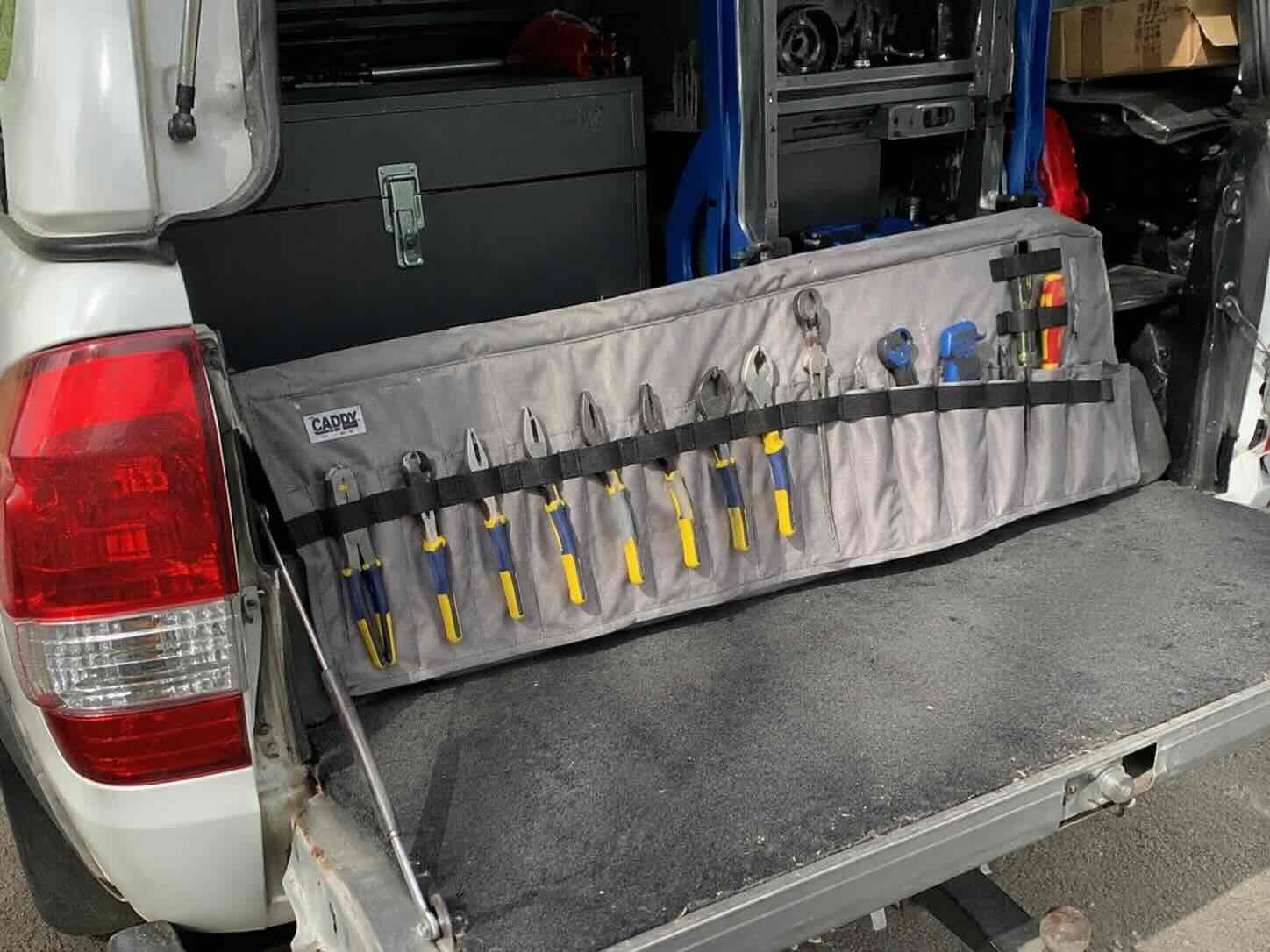
Tool and Equipment insurance helps cover the cost of replacing stolen or damaged tools and gear. Whether your equipment was on-site, in your vehicle or stored in the shed, you can claim to get it replaced faster.
Roofing gear is a prime target for theft. Some tools are worth thousands on their own. Having insurance means less downtime and fewer delays while you restock.
Commercial Vehicle insurance
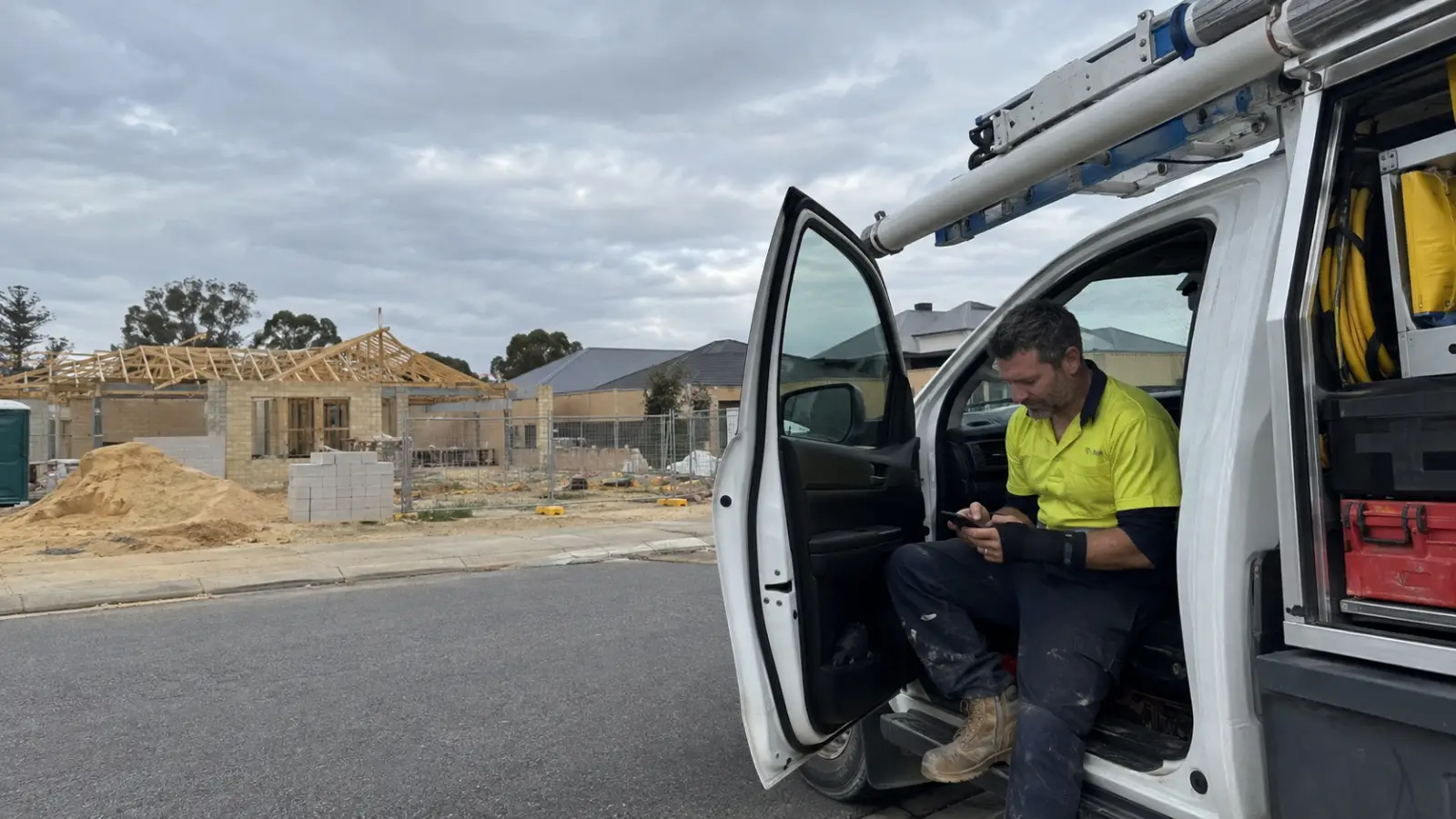
Your work ute is more than just a car. It carries tools, ladders and materials to every job. If it’s out of action, so is your business.
Standard personal vehicle insurance won’t usually cover damage or theft when your car is used for business. Commercial Vehicle insurance is designed for work vehicles. It includes things like signage, custom fitouts and sometimes even gear stored inside.
This type of cover helps with repair or replacement costs and may include extras like hire car options or windscreen cover. It’s especially useful if your vehicle is essential for quoting, deliveries or transport between jobs.
Optional extras worth a look
These policies are not always required, but they can add smart protection depending on how your roofing business runs.
Professional Indemnity insurance
If your work includes site plans, structural advice or solar layouts, you could be responsible if something goes wrong. Professional Indemnity insurance covers claims where your advice or design causes a financial loss to the client. It is especially relevant if you manage projects, sign off on plans or work closely with engineers or builders.
Contract Works insurance
When you are working on a roofing project that is still in progress, Contract Works insurance helps protect the structure, materials and tools until handover. This includes staged installations, partial builds and jobs that involve client-supplied materials. It can also respond to theft, accidental damage or weather events during construction.
Cyber insurance
If you quote online, store customer details or accept payments through digital systems, Cyber insurance helps protect your business from hacking, data breaches and system outages. It can also help with recovery costs if your system goes down or your customer data is compromised.
What can shape your insurance needs?
Every roofing business is a bit different, so the type of cover you need can shift depending on how you work.
The kind of roofing you do
Working on residential jobs is very different from running large-scale commercial or industrial sites. Some insurers also place height limits on their policies, which means you may need to double-check if you’re regularly working over 10 metres. If you deal with asbestos or other high-risk materials, that can also change what cover applies.
How your business is set up
Your business structure plays a role, too. A sole trader will need different cover compared to a company or a crew with casuals on the books.
Some policies treat subcontractors differently, too, so it’s important to know who’s covered and who needs their own insurance.
Your claims history
If you’ve had a clean run with no claims, you might see lower premiums. On the flip side, if there have been incidents in the past, that could impact what’s included or how much you pay.
Subcontractors can change things
Some policies won’t automatically cover subcontractors unless you specifically request it. Others expect subbies to carry their own cover. If you work with a mix of full-timers, casuals and subcontractors, it’s worth checking the fine print.
What does roofers insurance typically cost?
Here’s a ballpark look at what insurance for roofing business setups might cost in Australia right now.
| Business Size | Cover Level | Estimated Annual Premium |
|---|---|---|
| Solo roofer | $5M Public Liability plus Tools | From $600 to $1,200 |
| Small team (2 to 4 staff) | $10M Liability plus Workers Comp plus Tools | $2,000 to $3,500 |
| Larger crew (5 or more staff) | $20M Liability plus Full Package | $4,000 or more |
Prices vary depending on your location, height limits, number of claims and whether you work with subcontractors. A broker can help compare policies and avoid hidden gaps.

How to avoid gaps in cover
- Check your policy height limits. Height limits aren’t all the same; some insurers pull up at 10 metres, others go higher. It all depends on the policy, so it’s worth checking where yours stands.
- Having it locked is a must. Most insurers won’t cover a claim if it’s left unsecured.
- Confirm subcontractor coverage. Many policies exclude them unless specifically added
- Review your cover each year. Your business risks change over time
At a glance: what insurance does a roofing business need?
- Public Liability insurance: Site access and third-party injury or property protection
- Workers Compensation insurance: Legally required if you employ staff
- Personal Accident and Illness insurance: Income replacement if you are off the tools
- Tool and Equipment insurance: Cover for stolen or damaged gear
- Commercial Vehicle insurance: Protection for your work ute or van
- Optional extras: Professional Indemnity, Contract Works and Cyber insurance
Let’s get your roofing business properly covered
Roofing is a tough trade with real risks. A fall, a storm, or a claim can throw the whole job off track. The right cover helps keep your business moving when things go wrong.
At All Trades Cover, we work with roofers every day. We know what to look for in a policy, how to avoid common traps, and how to make sure your insurance for a roofing business actually matches the way you work.
If you want a cover that fits your tools, your crew and your workload, we’re ready to help. Get a quick quote today and sort the protection that makes sense for your business.
Frequently Asked Questions
- Do I need insurance if I only do small roofing jobs?
Yes. Even if you’re only working on smaller residential projects, you can still be liable for property damage or personal injury. Some sites may also require proof of Public Liability cover before you can start.
- Can I get roofing insurance if I’ve had a claim before?
Yes. Most insurers will still offer cover, but your premium or policy conditions may change. A broker can help you find options that still suit your business.
- Can I combine multiple policies into one roofing business insurance package?
Yes. Many roofing businesses bundle Public Liability, Tools, Personal Accident and Commercial Vehicle cover into a single Business Insurance Package to help keep things simple when it comes to your admin.
- Is there a height limit on roofing insurance policies?
Yes. Some insurers cap height cover at 10 metres, others go higher. If you’re working at heights regularly, it’s important to check your policy and make sure you’re covered for the level you need.
- How often should I review my roofing insurance cover?
At least once a year, or whenever your business changes. Adding staff, switching from residential to commercial work, or increasing turnover can all affect what cover you need.
![How Much Does Public Liability Cost for a Sole Trader? [Tradie Guide]](https://www.alltradescover.com.au/wp-content/uploads/2026/07/public-liability-cost-sole-trader.jpg)





















![What Insurance Does a Sole Trader Need? [Guide for Tradies]](https://www.alltradescover.com.au/wp-content/uploads/2020/06/what-insurance-does-sole-trader-need.jpg)