



[Updated August 2026]
Contract Works Insurance is a type of construction insurance that may cover insured building or construction works while a project is underway. Depending on the policy, cover may extend to works in progress, materials stored on site, certain materials in transit or temporary storage and other declared project property.
Contract Works Insurance is commonly considered by builders, contractors and businesses responsible for construction projects or materials before the completed works are handed over. The exact cover depends on the project, the contractor’s role and the policy arranged.
This information is general only and does not take into account your objectives, financial situation or needs. Cover is subject to policy terms, conditions, limits, exclusions and insurer acceptance.
Quick summary
- Contract Works Insurance may cover insured construction works and materials while a project is underway, subject to the policy wording.
- Cover may include materials stored on site and, where included, materials in transit or temporary storage.
- Contract Works Insurance may be arranged for an individual project or across multiple eligible projects under an annual policy.
- Builders, developers, principal contractors and other parties may require specific insurance arrangements under a construction contract.
- Contract Works Insurance and Public Liability Insurance address different exposures and one should not be assumed to replace the other.
- Project values, insured parties, construction activities, materials, existing structures and testing requirements should be checked against the actual policy before work starts.
What Is Contract Works Insurance?
Contract Works Insurance may cover physical loss or damage to insured construction works during the period covered by the policy. The insured property can include the work already completed as part of the project and certain materials intended to become part of the finished works.
For example, a residential builder may have a partly completed home, framing and building materials on site. A commercial contractor may be responsible for fit-out works, fixtures and materials before handover. A civil contractor may have insured structural works and materials across a larger project site.
The scope can differ significantly between policies. The insured parties, project value, type of construction, location, period of insurance and responsibility for materials should be declared accurately and accepted by the insurer.
What May Contract Works Insurance Cover?
Contract Works Insurance may cover insured project property against specified loss or damage during construction. The actual insured events and property vary between insurers and policies.
Depending on the policy, cover may include:
- Insured works in progress
- Materials stored at the project site
- Damage caused by insured events such as fire, storm, theft or vandalism
- Materials in transit or temporary storage, where included
- Principal-Supplied or owner-supplied materials, where included
- Existing structures associated with alteration or renovation work, where specifically declared and accepted
- Testing and commissioning exposures, where declared and accepted
- Other project property specifically described within the policy
The presence of an item on a construction site does not automatically mean it is insured. The policy schedule, definitions, insured property, limits, sub-limits and exclusions should be checked.
How Does Contract Works Insurance Apply to Different Projects?
The purpose of the cover is similar across projects, but what needs to be insured can change significantly depending on the work being performed.
Residential construction
A house build, extension or major renovation may involve unfinished structures and building materials remaining exposed until completion.
Policy considerations: Project value, materials, existing structures, contract responsibilities and the period of construction.
Commercial construction and fit-outs
Commercial construction, refurbishment and fit-out projects can involve materials, fixtures and incomplete works before the project is handed over.
Policy considerations: Contract value, existing property, multiple contractors, materials and principal requirements.
Civil, infrastructure and mining projects
Civil and structural projects can involve higher project values, multiple work areas, stored materials and principal-supplied components.
Policy considerations: Civil and structural works, transit and storage, principal-supplied materials, project locations and testing exposures.
These examples are general only and do not mean that particular works, property or losses will be covered. Cover depends on the relevant policy terms, conditions, limits, exclusions, declared activities and insurer acceptance.
Does Contract Works Insurance Cover Materials on Site?
Contract Works Insurance may cover materials stored on the construction site where those materials form part of the insured project and are included within the policy.
This can be especially relevant where materials are purchased well before installation. Depending on the project, that could include timber, structural steel, roofing materials, electrical components, plumbing materials, fixtures, glazing or other items intended to become part of the completed works.
Materials Temporarily Stored Away from the Project
Materials do not always move directly from a supplier to the construction site. Some projects use warehouses, yards, fabrication facilities or other temporary storage locations before installation.
Off-Site storage should not be assumed to be covered. If materials will be stored away from the insured site, the location, value and storage arrangements may need to be declared to the insurer.
Materials in Transit
Some Contract Works Insurance policies may include materials while they are being transported to or between project locations. Transit limits and conditions may apply.
Where transit is not included, separate Marine Transit Insurance or another appropriate insurance arrangement may need to be considered depending on the property being transported and how it is moved.
Principal-Supplied Materials
On some projects, materials or components are supplied by the principal, developer or project owner rather than purchased by the contractor.
Contract Works Insurance may include principal-supplied materials where the policy is structured to do so. Ownership, responsibility under the contract, replacement value and the point at which responsibility passes between parties should be checked.
Does Contract Works Insurance Cover Tools and Plant?
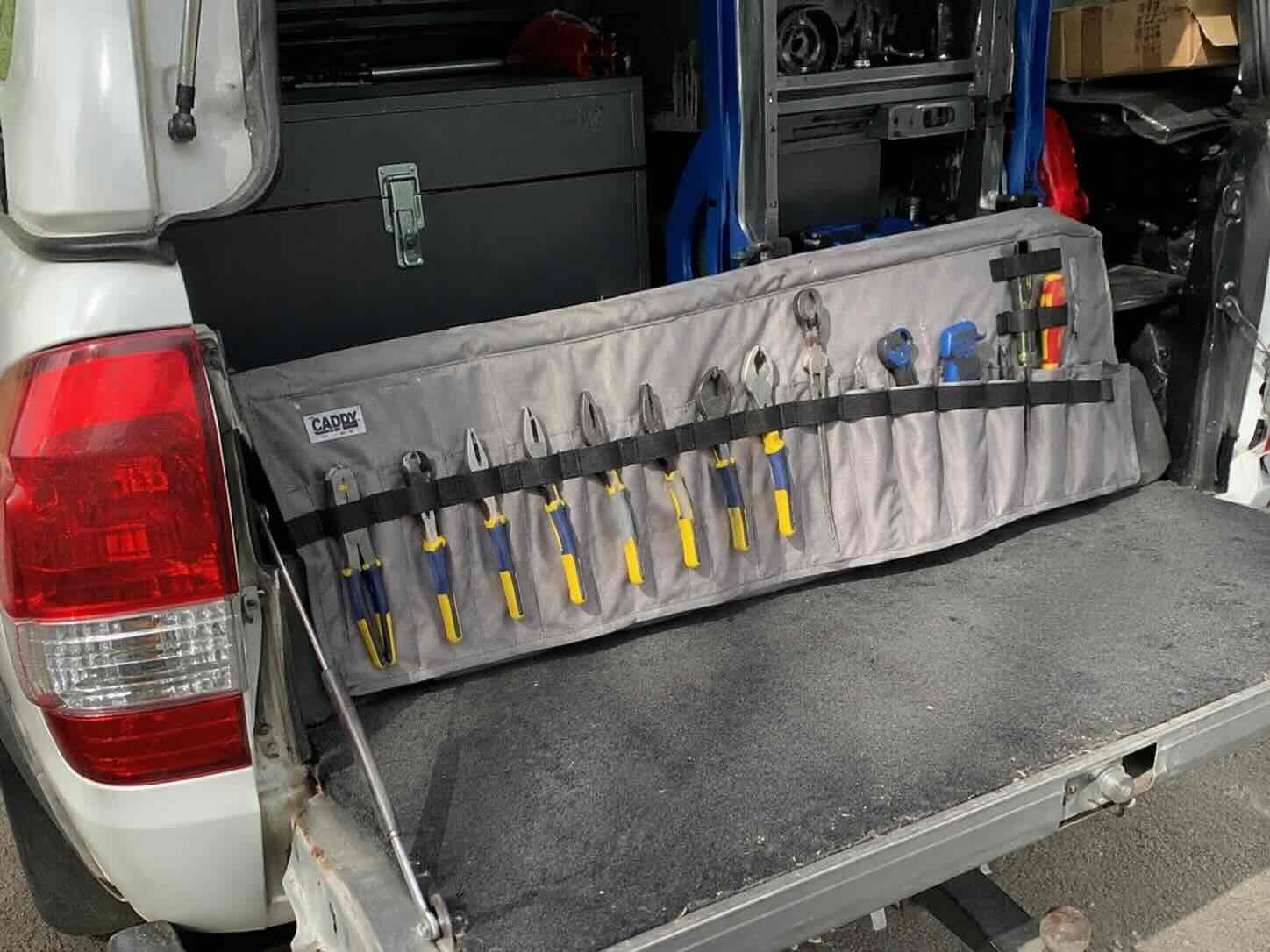
Contract Works Insurance should not be assumed to cover a contractor’s tools, mobile plant or machinery simply because they are being used on an insured construction project.
Portable tools and equipment may require separate Property and Tools Insurance. Excavators, loaders, cranes and other eligible mobile machinery may require Contractor Plant and Machinery Insurance.
The distinction matters because a building material intended to become part of the finished project is different from equipment used to perform the work.
Contract Works Insurance Vs Public Liability Insurance
Contract Works Insurance and Public Liability Insurance generally address different types of exposure. Contract Works Insurance can focus on insured project property, while Public Liability Insurance may respond to certain third-party injury or property damage claims arising from declared business activities.
Some construction insurance arrangements may package multiple sections within one policy. The scope of each section depends on the policy wording. Cover is subject to policy terms, conditions, limits, exclusions and insurer acceptance.
More detail on third-party liability is available in our guide to Public Liability Insurance.
Project-Specific Vs Annual Contract Works Insurance
Contract Works Insurance may be structured around one declared project or, for eligible businesses undertaking projects throughout the year, an annual arrangement covering projects that meet the policy’s declared criteria.
Project-Specific Contract Works Insurance
A project-specific policy is arranged around a particular construction project. The project value, location, type of work, parties involved and construction period can form part of the underwriting information.
This structure may be relevant for a large individual project, a project with specific contractual insurance requirements or work that falls outside a contractor’s normal annual arrangement.
Annual Contract Works Insurance
An annual policy may cover eligible projects undertaken during the policy period, subject to the policy’s limits, maximum project values, permitted activities, locations and other conditions.
An annual arrangement should not be treated as automatic cover for every new project. Larger contracts, unusual work, new activities or projects that exceed policy thresholds may need to be referred to the insurer before work begins.
Who Commonly Considers Contract Works Insurance?
Contract Works Insurance is commonly considered where a business has responsibility for construction works, materials or other insured project property before completion or handover.
This can include:
- Residential and commercial builders
- Principal contractors
- Civil and infrastructure contractors
- Construction companies managing multiple projects
- Contractors responsible for a defined package of construction works
- Developers or project owners, depending on the contract structure
- Eligible owner-builders, depending on the project and insurance arrangement
- Contractors working on mining and industrial construction projects
For businesses performing construction work in the resources sector, Contract Works Insurance may also form part of a wider Mining contractor insurance program alongside liability, plant, vehicle and other relevant covers.
Is Contract Works Insurance Mandatory?
Whether Contract Works Insurance is required depends on the project, contract, applicable requirements and the role of each party.
A construction contract, developer, principal contractor, financier or other project stakeholder may require specified Contract Works Insurance before or during a project. The required insured parties, sums insured, endorsements and period of insurance can vary.
A Certificate of Currency or insurance policy should not be assumed to satisfy every contract, tender, finance, licence or site-access requirement. Contractors should check the insurance schedule in the relevant contract and obtain legal or other professional advice where needed.
What Should Be Checked in a Contract Works Insurance Policy?
The project value alone does not determine whether a Contract Works Insurance arrangement reflects the work being performed. The project structure and the property for which the business is responsible also matter.
Review your Contract Works Insurance when you:
Changes to a project, contract or construction activity may affect the information your broker or insurer needs.
Take on a project with a higher contract value.
Begin a different type of construction work.
Store project materials away from the insured site.
Become responsible for principal-supplied materials.
Start renovation or alteration work involving an existing structure.
Take on a contract with different insurance requirements.
A change does not automatically mean additional cover is required. The project, contract requirements and existing policy should be reviewed against the applicable policy terms, conditions, limits and exclusions.
What May Not Be Covered by Contract Works Insurance?
Contract Works Insurance does not cover every problem that can arise during construction. Exclusions and restrictions vary between policies, so the policy wording should be checked rather than relying on a general list.
Areas that may require particular review include:
- Defective design, specification, materials or workmanship and the treatment of any resulting damage
- Wear, deterioration or maintenance issues
- Existing structures that have not been declared or included
- Tools, plant and machinery that require separate insurance
- Off-Site storage or transit outside the policy’s scope
- Testing and commissioning activities
- Projects above the policy’s maximum contract value
- Excluded construction activities or locations
- Delay, loss of income or other consequential losses unless specifically included
- Theft where policy security or storage conditions have not been met
Exclusions can be detailed and their application depends on the circumstances of a loss. A listed exclusion or restriction should not be interpreted as a statement about how a particular claim would be assessed.
When Should Contract Works Insurance Start and Finish?
The insured period depends on the policy and project arrangement. Contractors should not assume cover begins simply because a contract has been signed or work has commenced.
The policy should be checked for its commencement date, construction period, completion provisions and any cover that may apply after practical completion or during a maintenance or defects period.
Project delays or extensions should also be raised with the broker or insurer where they may extend beyond the declared construction period.
How We May Be Able to Help with Contract Works Insurance
All Trades Cover is a specialist insurance brokerage working with trades, construction, mining and heavy industry businesses. Contract Works Insurance can form part of a broader insurance program where a business is responsible for construction projects, materials or contractual insurance requirements.
Depending on the business, project and insurer requirements, All Trades Cover may be able to help with:
- Reviewing the insurance requirements contained in a project or contract schedule
- Obtaining Contract Works Insurance options from available insurers
- Structuring project-specific or annual Contract Works Insurance arrangements where available
- Checking declared project values, activities and material exposures
- Approaching insurers about project-specific requirements or endorsements where available
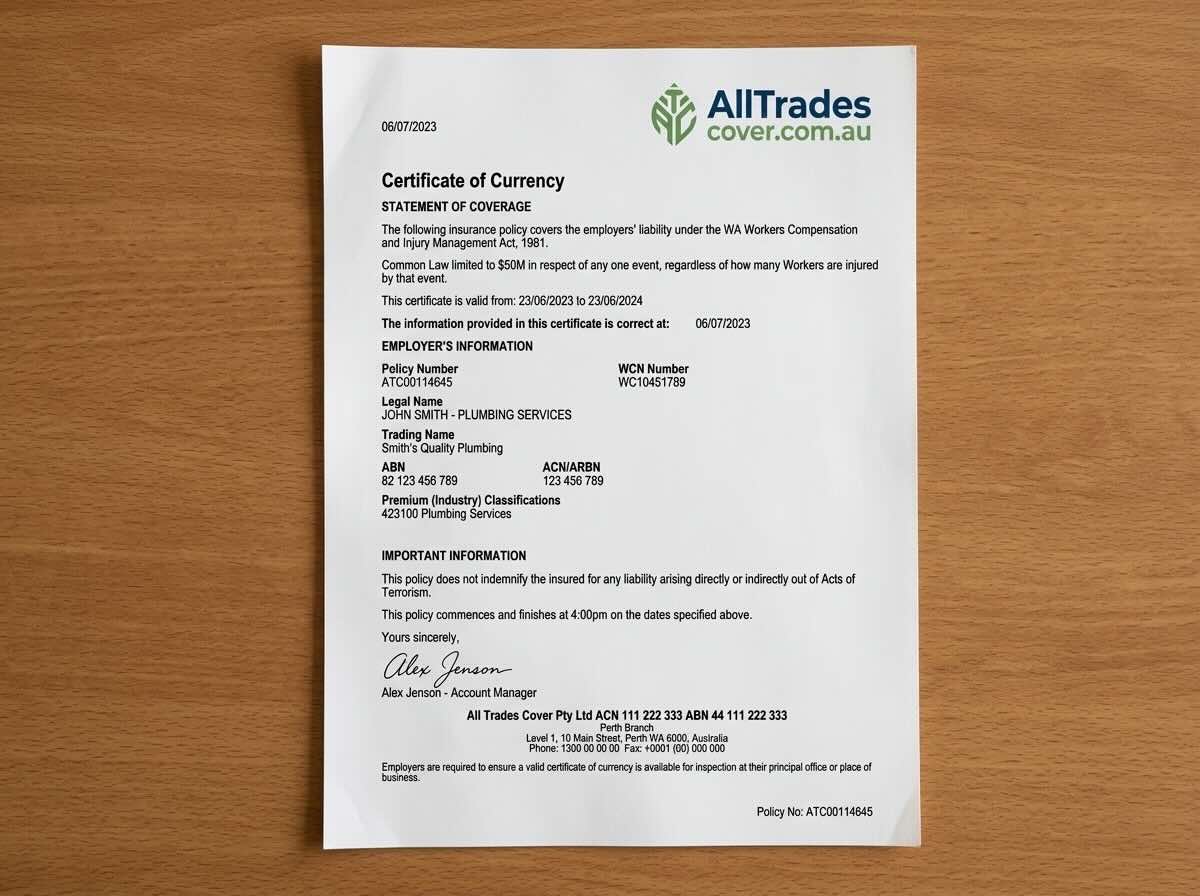
- Arranging Certificates of Currency once cover has been confirmed and the required documentation is available
- Reviewing changes where project values, locations or activities change
- Supporting clients through the claims process where an insured event is reported
Insurer approval is required before amended wording, endorsements or Certificates of Currency can be issued. An insurance policy or Certificate of Currency should not be assumed to satisfy every contract, licence, tender, finance or site-access requirement.
Learn more about Contract Works Insurance or contact All Trades Cover for a quote.
Frequently Asked Questions About Contract Works Insurance
Does Contract Works Insurance Cover Materials on Site?
Contract Works Insurance may cover materials stored on site where the materials form part of the insured works and are included within the policy. Storage location, ownership, value, security requirements and any applicable limits should be checked.
Does Contract Works Insurance Cover Materials Stored Off Site?
It may, but off-site storage should not be assumed to be included. The storage location, value of the materials and relevant policy extension or limit may need to be declared and accepted by the insurer.
Does Contract Works Insurance Cover Materials in Transit?
Some policies may include materials in transit, subject to specified limits and conditions. Where transit is outside the Contract Works Insurance policy, separate transit cover may need to be considered.
Does Contract Works Insurance Cover Tools?
Contract Works Insurance should not be assumed to cover a contractor’s tools or portable equipment. Tools and Equipment Insurance or General Property Insurance may be required for insured tools and portable equipment, depending on the policy arrangement.
Does Contract Works Insurance Include Public Liability Insurance?
Some construction insurance arrangements may contain separate Contract Works and Public Liability sections, but this depends on the policy. Contract Works Insurance and Public Liability Insurance address different exposures, so the schedule and wording should be checked to confirm which sections are included.
Can Contract Works Insurance Cover an Existing Building During Renovations?
Existing structures may be covered where the policy specifically includes them and the relevant values and work have been declared and accepted. Renovation contractors should not assume the existing building is automatically insured under the Contract Works section.
Can I Use One Contract Works Insurance Policy for Several Projects?
An annual Contract Works Insurance policy may cover multiple eligible projects that fall within its declared activities, values and conditions. Projects outside those parameters may need to be referred to the insurer or insured separately.
Who Should Arrange Contract Works Insurance?
The responsible party depends on the construction contract and project structure. A builder, developer, principal contractor, owner or another party may be responsible for arranging the required insurance, so the contract should be checked before assuming who needs to arrange the policy.
Does a Certificate of Currency Mean the Project Meets the Contract Requirements?
No assumption should be made that a Certificate of Currency satisfies every contractual requirement. The certificate provides evidence of the insurance arranged, but the contract, endorsements, insured parties, limits and policy wording should still be checked.
This information is general only and does not take into account your objectives, financial situation or needs. Cover is subject to policy terms, conditions, limits, exclusions and insurer acceptance.